What’s the Fastest Car in History
Beneath our love for automobiles lies an insatiable craving for speed — the raw, unbridled energy that propels us forward. Throughout history, mankind’s thirst for velocity has pushed the bounds of automotive engineering to new dimensions. In this article, we embark on a thrilling journey that uncovers the ultimate question: What is the fastest car in history?
With no desire to wallow in flowery language or indulgent fluff, we delve straight into the heart of this captivating pursuit. Embracing a creative lens, our aim is to unveil the undeniable truth while maintaining a tone of unwavering neutrality, transcending all personal inclinations or biases.
So tighten your seatbelts, gearheads and speed enthusiasts, as we embark upon a riveting exploration of the most staggering achievements in the domain of automotive velocity. Whether you sit atop the proverbial pit-wall, engrossed in every technical detail, or are merely intrigued by the sheer exhilaration of speed, this article will captivate your imagination and quench your thirst for knowledge.
Prepare yourself for an extraordinary dive into the annals of automotive history, where powerhouses collide, records are shattered, and legends are born. From roaring engines to mind-boggling acceleration, we leave no stone unturned, aiming to definitively answer the age-old question: “What’s the fastest car in history?
Table of Contents
- 1. Evolution of Speed: Unveiling the Remarkable Timeline of the Fastest Cars in History
- 2. Mastering Velocity: Analyzing the Key Factors that Propel Cars to Unprecedented Speeds
- 3. Breaking the Barrier: Unraveling the Pioneering Technological Advancements Behind Record-Breaking Speeds
- 4. Unmatched Powerhouses: Delving into the Muscle Cars that Have Dominated the Speed Game
- 5. Legends on Wheels: Exploring the Legacy of Iconic Supercars That Have Redefined Speed and Performance
- 6. The Need for Speed: Choosing the Ultimate Fastest Car and Navigating the Limitations for Enthusiasts
- FAQs
- Concluding Remarks
1. Evolution of Speed: Unveiling the Remarkable Timeline of the Fastest Cars in History
Throughout the timeline of automotive history, the world has witnessed an extraordinary evolution of speed. From the humble beginnings of horse-drawn carriages to the mind-boggling speeds of modern supercars, the race for velocity has continuously pushed boundaries and sparked innovation. Let’s embark on a mesmerizing journey through time, unearthing the remarkable lineage of the fastest cars to ever grace the roads.
1. Birth of Velocity:
– The first recorded instance of a self-propelled vehicle dates back to 1769 when Nicolas-Joseph Cugnot built the steam-powered “Fardier à Vapeur.”
– In the late 19th century, Karl Benz’s gasoline-powered “Motorwagen” revolutionized the automotive industry, boasting a top speed of a mere 10 miles per hour.
2. Rapid Advancements in the Early 20th Century:
– The dawn of the 20th century witnessed the birth of several iconic speedsters like the Blitzen Benz, which broke the land speed record with an astonishing speed of 141.7 miles per hour in 1911.
– The Bugatti Type 35, introduced in 1924, showcased superb aerodynamics and a top speed of up to 120 miles per hour, earning it accolades as one of the fastest cars of its time.
As we delve further into the enthralling timeline of automotive wonders, it becomes evident that each era brought forth its own speed legends, pushing the limits of velocity in groundbreaking ways. From the pioneering days of steam-powered vehicles to the sleek and powerful machines of the present, the remarkable timeline of the fastest cars in history is an ode to human ingenuity and our ceaseless pursuit of speed. Keep reading to uncover more exhilarating moments in the evolution of automotive velocity!
2. Mastering Velocity: Analyzing the Key Factors that Propel Cars to Unprecedented Speeds
In order to achieve unparalleled speeds, understanding the critical factors that contribute to a car’s velocity is essential. The dynamics behind a vehicle’s ability to propel itself forward at remarkable speeds are multifaceted. Let’s dive into analyzing these key factors that play a pivotal role in mastering velocity.
1. **Powertrain:** One of the primary determinants of a car’s speed is its powertrain. This encompasses the engine, transmission, and drivetrain, all working synchronously to transfer power from the engine to the wheels. The more powerful the engine, the greater the potential for achieving immense velocity. However, efficiency in transferring that power is equally crucial, accomplished through advanced transmissions that optimize gear ratios for each speed range. Additionally, superior drivetrain systems effectively distribute power to the wheels, ensuring optimal traction and acceleration.
2. **Aerodynamics:** The shape and design of a car greatly impact its ability to cut through the air and minimize drag. Streamlined bodywork, aerodynamically sculpted surfaces, and strategically placed spoilers or wings are key elements that aid in reducing air resistance. By minimizing drag, an aerodynamically refined car faces less opposition from the air, enabling it to maintain higher speeds with less effort. Moreover, innovative features like active aerodynamics, such as adjustable wings, help balance downforce and minimize lift to keep the car firmly grounded at high velocities.
3. **Weight Reduction:** The lighter a vehicle, the easier it is to accelerate and maintain higher velocities. Manufacturers employ various techniques to shed unnecessary weight, such as using lightweight materials like carbon fiber or aluminum for the car’s structure and body panels. Weight reduction strategies also extend to the interior, where the removal of excess luxuries and the use of lighter components contribute to overall weight reduction. Thanks to these measures, cars can achieve remarkable speeds by minimizing the inertia to overcome and maximizing their power-to-weight ratio.
By dissecting and comprehending these key factors—powertrain capability, aerodynamics, and weight reduction—it becomes evident that a car’s ability to achieve unprecedented speeds is a meticulous combination of engineering precision and innovative design. Through constant analysis and advancement, the boundaries of velocity can be pushed further, revolutionizing the world of automotive performance.
3. Breaking the Barrier: Unraveling the Pioneering Technological Advancements Behind Record-Breaking Speeds
In the rapidly evolving world of technology, there is a constant pursuit of breaking barriers and pushing the limits to achieve record-breaking speeds. This post section delves into the fascinating realm of pioneering technological advancements that have paved the way for extraordinary speed achievements.
First and foremost, one cannot discuss breaking barriers without mentioning the revolutionary concept of **quantum computing**. This groundbreaking technology harnesses the principles of quantum mechanics to process information at an unprecedented rate. By utilizing qubits, which can hold multiple states simultaneously, quantum computers have the potential to solve complex problems exponentially faster than traditional computers. With industries exploring the vast possibilities of quantum computing, we are on the brink of a technological revolution that could shatter speed limitations in computing and algorithmic calculations.
Another remarkable advancement contributing to record-breaking speeds lies in the field of **5G technology**. The fifth-generation wireless network, boasting remarkable speeds and reduced latency, has the potential to transform various sectors, including communication, transportation, and healthcare. With its ability to handle massive amounts of data and connect numerous devices simultaneously, 5G breaks previous limitations, enabling real-time communication, virtual reality experiences, and seamless autonomous driving. This remarkable leap forward in wireless technology is revolutionizing the way we interact with our digital world, with exciting implications for a future of unfathomable speed and connectivity.
In conclusion, it is through pioneering technological advancements like quantum computing and 5G technology that we are witnessing the shattering of speed barriers. These groundbreaking innovations offer glimpses into a future where the impossible becomes possible, introducing a new era of unparalleled speed and efficiency. The quest to break barriers continues to drive relentless exploration and innovation, promising a future that exceeds our wildest expectations.
4. Delving into the Muscle Cars that Have Dominated the Speed Game
Muscle cars have always been the epitome of power and performance on the road. When it comes to dominating the speed game, there are a few exceptional powerhouses that have left their mark in the automotive industry. These unmatched machines not only possess jaw-dropping horsepower but also an unmatched level of raw strength and agility.
One of the most iconic muscle cars that have reigned supreme is the Ford Mustang GT. With its sleek design and roaring V8 engine, the Mustang GT has become a symbol of American muscle. Its exceptional acceleration, paired with precise handling, allows drivers to unleash their need for speed on any open road. Whether you prefer the classic Mustangs of the past or the modern-day versions, one thing is for certain – this powerhouse will never fail to deliver an adrenaline-pumping ride.
Another renowned muscle car that has left a lasting impression is the Chevrolet Camaro ZL1. Boasting a supercharged V8 engine, the ZL1 takes speed to a whole new level. Its impressive horsepower and torque output is enough to make any car enthusiast weak in the knees. With its aggressive and muscular exterior design, the Camaro ZL1 truly represents the epitome of American muscle. From the racetrack to the city streets, this beast will never disappoint in its pursuit of speed.
In the realm of muscle cars, these unmatched powerhouses, such as the Ford Mustang GT and the Chevrolet Camaro ZL1, have captured the hearts of enthusiasts worldwide. As they continue to dominate the speed game with their unmatched power, these legendary machines remind us of the sheer thrill and excitement of hitting the pedal to the metal. Whether you’re a die-hard muscle car fan or simply appreciate the beauty of these iconic vehicles, there’s no denying the impact they’ve had on the world of speed and performance.
5. Exploring the Legacy of Iconic Supercars That Have Redefined Speed and Performance
In the world of automotive innovation, there exist legendary supercars that have continuously pushed the boundaries of speed and performance. These iconic machines, revered by car enthusiasts and casual observers alike, have left an indelible mark on the history of motoring. From their sleek designs to their state-of-the-art engineering, these legends on wheels have captivated the imaginations of generations.
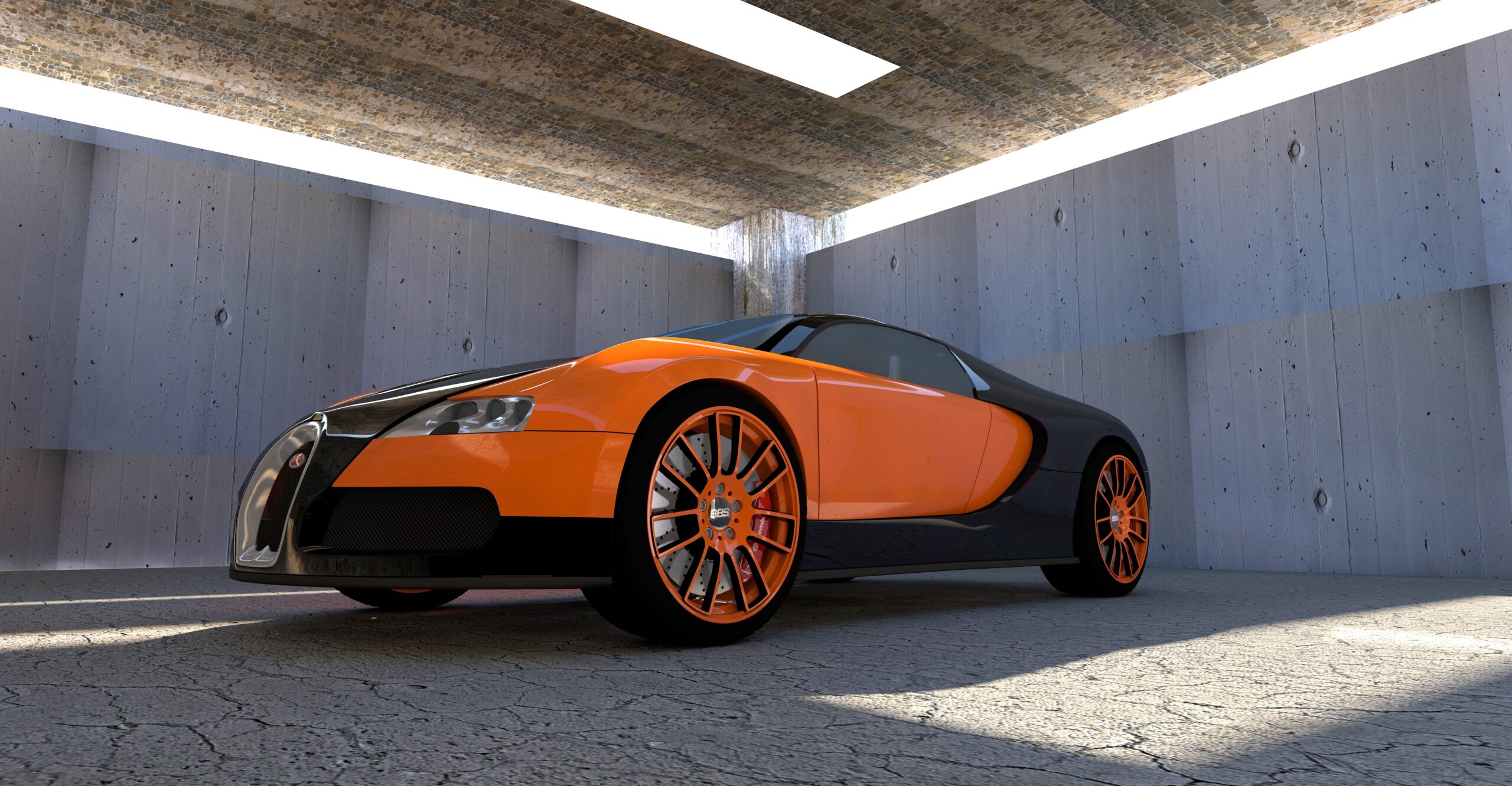
One such timeless icon is the Bugatti Veyron, hailed as a masterpiece of automotive engineering. With its heart-stopping top speed of 253 mph and mind-boggling 1,001 horsepower, this machine represents the epitome of power and precision. The Veyron’s sleek and aerodynamic body, coupled with its innovative engineering and advanced technology, has set a benchmark for supercars of the modern era. Its striking design and unparalleled performance make it a true legend on the road.
- Bugatti Veyron: A marvel of engineering and design
- Ferrari F40: Unleashing the spirit of racing
- Lamborghini Countach: A symbol of power and extravagance
- McLaren F1: The perfect fusion of form and function
- Porsche 911: A legacy of endurance and performance
Another iconic supercar that has redefined speed and performance is the revered Ferrari F40. Born out of Enzo Ferrari’s relentless pursuit of racing perfection, this machine exudes raw power and agility. With a top speed of 201 mph and an unmistakable aggressive design, the F40 effortlessly captures the essence of pure speed and adrenaline. It represents the ultimate manifestation of Ferrari’s racing heritage, allowing drivers to experience the thrill of the track on the open road.
The Lamborghini Countach, on the other hand, is a supercar that embodies the extravagant and audacious nature of the automotive world. Its striking wedge-shaped design, scissor doors, and powerful V12 engine make it an unmistakable presence on the road. The Countach challenged conventional notions of design and engineering, forging its own path in automotive history. It symbolizes Lamborghini’s dedication to pushing boundaries, while embodying the spirit of ultimate performance and luxury.

6. The Need for Speed: Choosing the Ultimate Fastest Car and Navigating the Limitations for Enthusiasts
When it comes to car enthusiasts, speed is everything. And in the quest for the ultimate fastest car, there are several important factors to consider. First and foremost, the horsepower of a vehicle plays a crucial role in determining its speed capabilities. The higher the horsepower, the faster the car can potentially go. So, if you’re looking to experience the thrill of blazing down the highway, make sure to prioritize horsepower when making your selection.
However, it’s important to bear in mind that speed is not the only determining factor for car enthusiasts. Navigating the limitations is equally important. One major limitation to consider is the legal speed limits. While it’s tempting to push a car to its limits, it’s crucial to always abide by the law and prioritize safety. Moreover, certain cars may have limitations due to their design or construction. Factors like weight, aerodynamics, and tire grip can all impact the top speed a car can achieve. Therefore, it’s essential to research and understand these limitations before making a decision. Ultimately, finding the balance between speed and limitations is the key to choosing the ultimate fastest car for passionate enthusiasts.
FAQs
Q: What is the fastest car in history?
A: The Bugatti Veyron Super Sport is considered the fastest car in history.
Q: How fast can the Bugatti Veyron Super Sport go?
A: The Bugatti Veyron Super Sport can reach a top speed of 267.8 mph (431 km/h).
Q: When was the Bugatti Veyron Super Sport launched?
A: The Bugatti Veyron Super Sport was launched in 2010.
Q: Is the Bugatti Veyron Super Sport still in production?
A: No, the production of the Bugatti Veyron Super Sport ended in 2015.
Q: What other cars have held the title of fastest car in history?
A: The McLaren F1 and the SSC Ultimate Aero briefly held the title of world’s fastest car.
Q: How does the Bugatti Veyron Super Sport achieve such high speeds?
A: The Bugatti Veyron Super Sport features a powerful 8.0-liter quad-turbocharged W16 engine, producing 1,200 horsepower.
Q: Are there any street-legal cars that can surpass the Bugatti Veyron Super Sport’s top speed?
A: Yes, the Bugatti Chiron, introduced in 2016, is a street-legal car capable of reaching a top speed of 261 mph (420 km/h) and surpassing the Bugatti Veyron Super Sport’s speed.
Q: What is the cost of a Bugatti Veyron Super Sport?
A: The Bugatti Veyron Super Sport was sold for approximately $2.4 million when it was available for purchase.
Q: Can the Bugatti Veyron Super Sport be driven on regular roads?
A: Yes, the Bugatti Veyron Super Sport can be driven on regular roads, but its true performance potential can only be explored on closed tracks or special events due to safety and legal implications.
Q: Is the Bugatti Veyron Super Sport a practical everyday car?
A: The Bugatti Veyron Super Sport is not considered a practical everyday car due to its high price, limited availability, and high maintenance costs.
Q: Are there any upcoming cars that could potentially beat the Bugatti Veyron Super Sport’s speed record?
A: Yes, various companies and manufacturers are constantly working on developing new supercars that aim to surpass previous speed records. The future holds possibilities for faster cars.
To Conclude
In conclusion, we’ve embarked on an exhilarating ride through the history of cars, delving into the quest for speed and the title of the fastest car in history. From legendary beasts like the Bugatti Veyron and the Hennessey Venom GT to the modern-day beast-on-wheels, the SSC Tuatara, we’ve witnessed astonishing advancements in automotive engineering. But when it comes to pinpointing the ultimate speed champion, the record holder is the inconceivably fast SSC Tuatara. With its mind-boggling top speed of 331.15 mph, it has claimed the throne as the fastest street-legal production car to date. Above all, this pursuit of speed not only showcases the remarkable capabilities of human ingenuity and engineering prowess but also signals our unwavering hunger for pushing the limits. So buckle up, as the future holds unimaginable possibilities, and the race for the fastest car in history is far from over.