
What Is the Process of Upgrading a Superyacht’s Engine
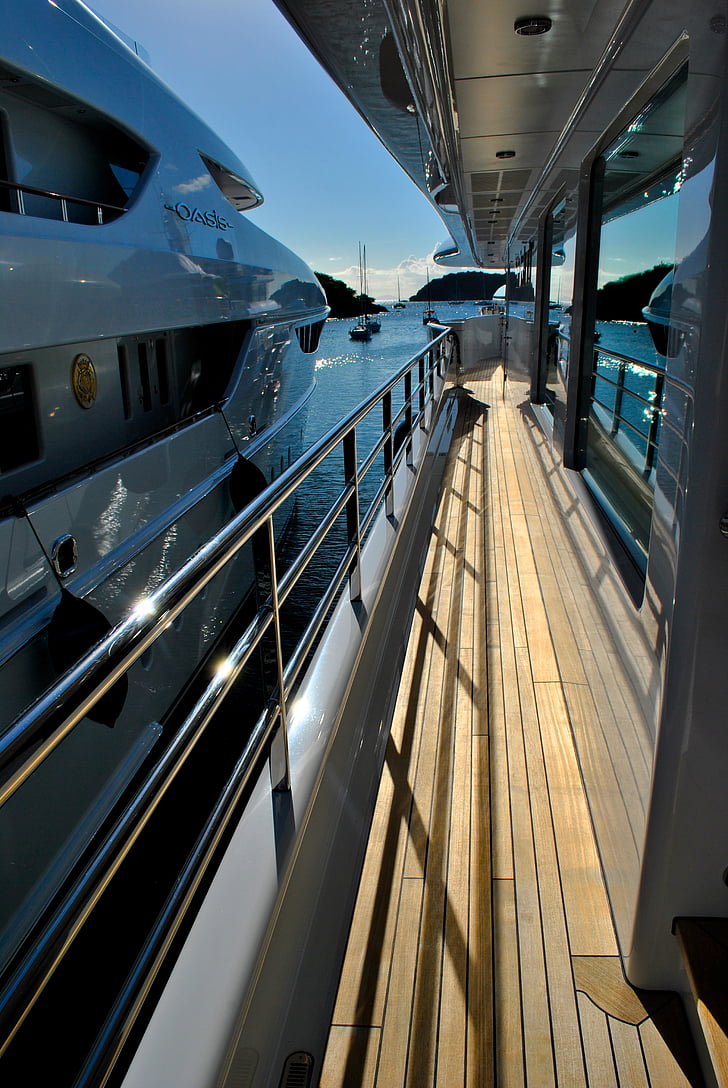
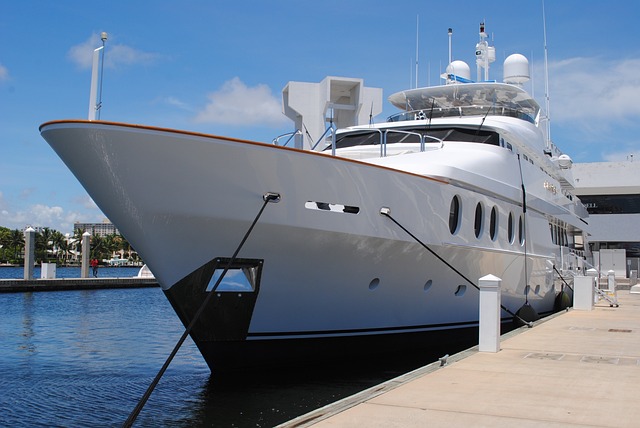
The superyacht gracefully traverses the sun-kissed waters, its sleek silhouette cutting through the endless expanse of the ocean. But beneath its glamorous exterior lies a powerhouse, an engine that ensures this vessel glides effortlessly through the waves. Over time, however, even the mightiest engines tire and crave an upgrade, a rejuvenation to maintain their optimal performance. From the moment the decision to upgrade a superyacht’s engine is made, a cascading series of events unfolds, each stage delicately intertwined, culminating in the birth of a mechanical masterpiece. Join us on an extraordinary voyage as we unravel the captivating process of upgrading a superyacht’s engine, where technology and artistry unite to breathe new life into these floating marvels.
Table of Contents
- Factors to Consider Before Upgrading a Superyacht’s Engine
- Understanding the Mechanics of Superyacht Engine Upgrades
- Evaluating the Performance and Efficiency of New Engine Options
- Selecting an Engine Upgrade that Matches Vessel Specifications
- Navigating Regulatory Requirements for Engine Upgrades
- The Importance of Professional Installation and Ongoing Maintenance
- FAQs
- Final Thoughts
Factors to Consider Before Upgrading a Superyacht’s Engine
When it comes to upgrading a superyacht’s engine, there are several important factors that should be carefully considered to ensure a successful and efficient transformation. Firstly, evaluating the current engine’s performance and fuel consumption is crucial. Assessing whether the existing engine is meeting the yacht’s requirements and expectations will determine the extent of the upgrade needed. Secondly, it is vital to research and compare different engine options available in the market. Factors such as power output, fuel efficiency, and environmental impact should be thoroughly analyzed to make an informed decision. Additionally, considering the compatibility of the new engine with existing systems on the yacht is essential, as this would minimize the need for extensive modifications. Accessibility to spare parts and maintenance services should also be considered to ensure smooth operation in the long run. Finally, engaging with experienced marine professionals and seeking expert advice can provide invaluable insights throughout the decision-making process, making the upgrade a seamless and rewarding experience for yacht enthusiasts.
Understanding the Mechanics of Superyacht Engine Upgrades
When it comes to upgrading the engine of a superyacht, it’s important to have a clear understanding of the intricate mechanics involved. From enhancing performance to improving fuel efficiency, here’s a closer look at what makes these upgrades so remarkable:
- Increased Power: Superyacht engine upgrades unlock the potential for increased power, allowing for faster cruising speeds and quicker acceleration. With the right enhancements, you can feel the thrill of the open sea like never before.
- Fuel Efficiency: Upgrading the engine can lead to significant improvements in fuel consumption. By optimizing combustion and minimizing wasted energy, these upgrades pave the way for a greener and more sustainable cruising experience.
- Enhanced Reliability: Superyacht owners often seek engine upgrades to enhance overall reliability. With advanced technologies and superior engineering, these upgrades can minimize the risk of breakdowns and provide peace of mind during long voyages.
- Extended Lifespan: By replacing outdated components and integrating modern technologies, superyacht engine upgrades can significantly extend the lifespan of the engine itself. This translates to reduced maintenance costs and fewer disruptions to your leisure time.
- Improved Comfort: Upgrading the engine can also have a positive impact on onboard comfort. By reducing noise and vibrations, these upgrades create a smoother and more enjoyable sailing experience for both guests and crew.
Understanding the mechanics behind superyacht engine upgrades allows owners to make informed decisions and unlock the true potential of their luxurious vessels. Whether it’s maximizing power, improving efficiency, or ensuring reliability, these upgrades can transform your sailing adventures into extraordinary experiences.
Evaluating the Performance and Efficiency of New Engine Options
As automotive technology continues to advance, manufacturers are constantly introducing new engine options that promise improved performance and efficiency. But how do we determine which engines live up to their claims? Through rigorous testing and analysis, we can accurately evaluate the performance and efficiency of these innovative powertrains. Firstly, we assess the engine’s performance by considering factors such as horsepower, torque, and acceleration. By conducting real-world road tests, we can analyze how these new engines deliver power and respond to varying driving conditions. Secondly, we evaluate the efficiency of these engines by examining their fuel consumption and emissions. Utilizing advanced instrumentation and measuring techniques, we can accurately gauge their environmental impact and fuel economy. Additionally, we take into account the durability and reliability of these engines, considering factors like maintenance costs and long-term performance. By comprehensively , we provide consumers and manufacturers with valuable insights to make informed decisions about future vehicle technologies.
Selecting an Engine Upgrade that Matches Vessel Specifications
Choosing the right engine upgrade for your vessel is essential to ensure optimal performance and efficiency. Here are a few key factors to consider when selecting an engine upgrade that perfectly matches your vessel specifications:
- Vessel Size and Weight: Evaluate the size and weight of your vessel to determine the power requirements for the engine upgrade. A larger and heavier vessel may necessitate a more powerful engine to maintain the desired speed and maneuverability.
- Fuel Efficiency: Consider the fuel efficiency of different engine options, as it directly affects the operating costs and environmental impact. Look for engines that offer better fuel consumption rates without compromising performance.
- Technical Compatibility: Ensure that the engine upgrade seamlessly integrates with your vessel’s existing systems and electronic controls. Compatibility issues can lead to costly modifications or performance issues, so it’s crucial to consult with experts or the engine manufacturer.
- Maintenance and Support: Research the availability of spare parts, maintenance requirements, and the reputation of the engine manufacturer. Reliable after-sales support and access to certified technicians are vital for minimizing downtime and ensuring the longevity of your engine.
- Noise and Vibration: Consider the noise and vibration levels produced by different engines, as excessive noise can be distracting and uncomfortable for passengers and crew. Look for engines with advanced noise reduction technology to create a more pleasant onboard experience.
By considering these factors, you can select an engine upgrade that not only matches your vessel’s specifications but also enhances its performance, efficiency, and overall experience.
Navigating Regulatory Requirements for Engine Upgrades
Welcome to our comprehensive guide on . Upgrading your engine can offer countless benefits such as improved performance, fuel efficiency, and reduced emissions. However, before embarking on this exciting journey, it is crucial to understand the various regulatory hurdles that must be overcome. To ensure a smooth transition, we have compiled a list of considerations to keep in mind:
- Research Applicable Laws: Begin by researching the specific laws and regulations governing engine upgrades in your region. Familiarize yourself with emission standards, noise regulations, and any certifications required by authorities.
- Engage with Authorities: Communicate with the appropriate regulatory agencies or authorities to understand their guidelines. Seek any necessary permits or approvals required for your engine upgrade.
- Consult Experts: Reach out to professionals experienced in engine upgrades to gain valuable insights and advice. They can help you navigate the complex regulatory landscape and ensure compliance.
- Document Modifications: Keep detailed records of all modifications made to your engine, including supporting documentation and test reports. These will be crucial when providing proof of compliance during inspections or audits.
- Regular Maintenance and Monitoring: After upgrading your engine, implement a regular maintenance and monitoring routine to ensure ongoing compliance with regulatory requirements. This will help prevent any violations and maintain the integrity of your engine upgrade.
By following these guidelines and staying well-informed, you can confidently embark on your engine upgrade journey while staying compliant with regulatory requirements. Remember, with thorough planning and careful adherence to regulations, you can optimize your engine’s performance without any legal roadblocks. Happy upgrading!
The Importance of Professional Installation and Ongoing Maintenance
When it comes to installation and maintenance, leave it to the professionals to ensure your system is at its optimal performance level. Ongoing maintenance by experts not only guarantees a longer lifespan for your equipment, but it also saves you time and money in the long run. Here’s why professional installation and regular maintenance are crucial:
- Efficiency: Professional installation ensures that your system operates efficiently from the start, maximizing its performance and preventing unnecessary energy waste.
- Expertise: With professional technicians, you benefit from their extensive knowledge and experience in installing and maintaining various systems, avoiding potential issues that might arise from improper installation or neglect.
- Safety: Trusting professionals with the installation and maintenance of complex systems ensures your safety and the safety of your property. They adhere to industry standards and safety protocols, mitigating potential risks.
- Longevity: Regular maintenance carried out by professionals significantly extends the lifespan of your equipment. It helps detect and address minor issues before they escalate into major problems that could result in costly repairs or replacements.
- Premium Performance: Ongoing maintenance guarantees that your system continuously delivers optimal performance, avoiding breakdowns or unexpected system failures that could disrupt your daily activities.
Remember, investing in professional installation and regular maintenance pays off in the long run. Be proactive in ensuring the longevity, safety, and performance of your system by leaving it in the hands of experts who understand the intricacies of installation and maintenance.
FAQs
Q: Why should I consider upgrading my superyacht’s engine?
A: Upgrading your superyacht’s engine can do wonders for enhancing performance, fuel efficiency, and overall reliability. It’s like giving your magnificent vessel a new lease on life!
Q: How do I determine if my superyacht’s engine needs an upgrade?
A: Monitoring your engine’s performance indicators such as fuel consumption, power output, and noise levels can offer valuable insights. Additionally, consulting with experienced marine engineers can help gauge if an upgrade is advisable for your specific needs.
Q: What are the benefits of upgrading my superyacht’s engine?
A: Upgrading your superyacht’s engine can lead to improved fuel efficiency, increased speed, greater range, reduced emissions, and enhanced reliability. It can also introduce modern features and technologies that make cruising an absolute pleasure.
Q: Are there any significant technical challenges involved in upgrading a superyacht’s engine?
A: While superyachts vary in terms of engine configurations, retrofits can indeed present technical challenges. However, highly skilled marine engineers specialize in such upgrades, ensuring a seamless transition and overcoming any hurdles that may arise.
Q: Can an engine upgrade increase the resale value of my superyacht?
A: Yes, absolutely! A well-documented engine upgrade can significantly increase the resale value of your superyacht. Potential buyers often appreciate the added performance, efficiency gains, and peace of mind that comes with an upgraded engine.
Q: How long does the process of upgrading a superyacht’s engine usually take?
A: The duration can vary depending on the complexity of the upgrade and the specific circumstances of your superyacht. Generally, engine upgrades can take anywhere from a few weeks to a few months to complete. However, it’s best to consult with the marine engineers overseeing the project for a more accurate estimate.
Q: Is it necessary to remove my superyacht from the water to upgrade the engine?
A: Not necessarily. While hauling the vessel out of the water may be required for certain upgrades, many engine retrofits can be accomplished without taking the superyacht out of its natural habitat. This approach reduces downtime and allows you to enjoy your upgraded toy as soon as possible.
Q: Are there any environmental advantages to upgrading a superyacht’s engine?
A: Absolutely! Engine upgrades often result in reduced emissions, lowering your superyacht’s carbon footprint and contributing to a cleaner marine environment. This sustainability enhancement is something to be proud of.
Q: How do I choose the right marine engineering firm for my superyacht’s engine upgrade?
A: It is crucial to select a reputable and experienced marine engineering firm with a track record in superyacht engine upgrades. Research online, review testimonials, and consult with other yacht owners to find a firm that matches your needs and expectations.
Q: Are there any financial incentives or grants available for superyacht engine upgrades?
A: It’s worth exploring various incentive programs offered by governments, particularly those aimed at promoting cleaner marine technologies. Grants, tax credits, or funding schemes may be available to support your superyacht engine upgrade project.
Q: Are there any ongoing maintenance requirements after upgrading a superyacht’s engine?
A: As with any mechanical system, regular maintenance is essential to keep your engine running smoothly. Established marine engineering firms often offer comprehensive maintenance packages, ensuring the continued performance and longevity of your upgraded superyacht engine.
Remember, upgrading a superyacht’s engine is a chance to turn your vessel into a true masterpiece of power and efficiency. So, unleash the beast and enjoy an unparalleled yachting experience!
Future Outlook
As we sail towards the end of this article, we hope that you’ve indulged in the journey of upgrading a superyacht’s engine with us. The process we’ve explored today is one of immense precision, melding artistry and engineering expertise to breathe new life into these majestic vessels.
From the initial assessment and meticulous planning, to the orchestration of a symphony of craftsmen and engineers, each step in the engine upgrade process is a testament to the passion and dedication that goes into every superyacht project. It is a harmonious dance between technical mastery and design innovation, where the old gracefully gives way to the new.
Amidst the boundless horizons of the sea, superyachts embody an unwavering pursuit of perfection. The upgrading of their engines stands as a testament to their owners’ unwavering commitment to pushing the boundaries of luxury and performance. And in this ever-evolving world of engineering marvels, the quest for more power, efficiency, and environmental consciousness never ceases.
So, as we bid adieu to our exploration of upgrading a superyacht’s engine, we invite you to ponder the intricate beauty that lies beneath the graceful hulls of these opulent vessels. The engines that power them are the unseen heroes, propelling their extraordinary journeys across the azure expanse.
May the waves forever carry these majestic superyachts towards new horizons, their souls fueled by the relentless pursuit of perfection. And may the artistry, innovation, and dedication that culminate in the upgrading of their engines continue to inspire us all, for there is true magic in the synergy of man and machine, sailing towards an endless world of possibilities.


One Comment