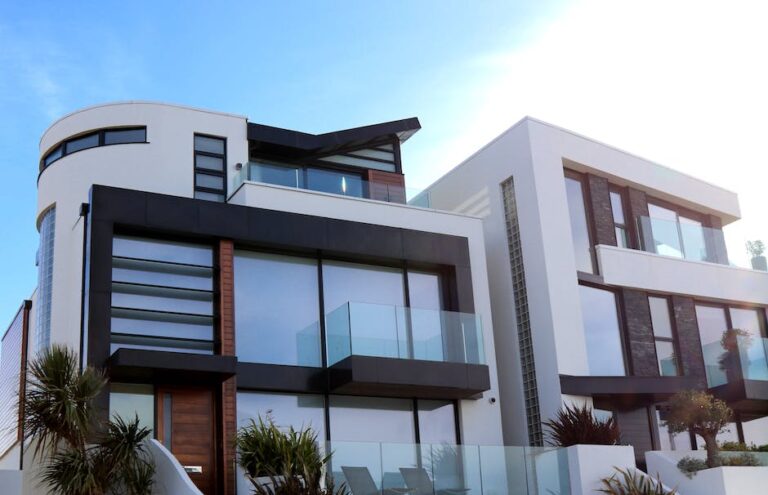
What Is the Difference Between Villa and House UK
Homes come in many shapes and sizes, each with its own distinct charm and character. In the United Kingdom, two popular housing options often mentioned are villas and houses. But what sets them apart? If you’ve ever found yourself pondering over this seemingly simple question, you’re not alone. In this article, we’ll unravel the mystery behind the differences between villas and houses, shedding light on their unique characteristics and helping you make an informed decision when envisioning your dream abode. So, let’s dive right in and explore the distinct worlds of villas and houses in the UK, without any unnecessary fluff or fancy words.
Table of Contents
- Overview of Villa and House in the UK: Understanding the Key Differences
- Key Factors that Distinguish Villas and Houses in the UK: Size, Architecture, and Location
- Exploring Lifestyle and Amenities: How Villas and Houses Cater to Different Preferences
- Financial Considerations: Assessing the Cost and Investment Potential of Villas and Houses
- The Pros and Cons of Buying a Villa vs. a House in the UK
- FAQs
- Wrapping Up

Overview of Villa and House in the UK: Understanding the Key Differences
When it comes to properties in the UK, it’s important to understand the key differences between villas and houses. These two types of homes may seem similar at first glance, but they each offer distinct features and characteristics that set them apart.
Villa:
- A villa is typically a large, luxurious dwelling that is often associated with a glamorous and upscale lifestyle.
- Villas are commonly found in exclusive neighborhoods and offer spacious living areas, high-end amenities, and beautiful gardens or grounds.
- They often have multiple floors, expansive rooms, and may include additional features such as swimming pools, tennis courts, or guest houses.
House:
- A house, on the other hand, is a more widely known and common type of dwelling in the UK.
- Houses can come in various sizes and styles, ranging from small cottages to large family homes.
- They are typically located in both urban and rural areas and offer a range of features depending on their size and location.
- While houses may not have the same level of luxury as villas, they offer a comfortable and practical living space for individuals and families.
Understanding the differences between villas and houses can help you make informed decisions when it comes to choosing the right property for your needs and lifestyle.
Key Factors that Distinguish Villas and Houses in the UK: Size, Architecture, and Location
Size: One key factor that sets villas and houses in the UK apart is their size. Villas are often spacious and grand, boasting multiple floors and a generous amount of living space. They are typically designed to accommodate large families or serve as luxurious holiday retreats. On the other hand, houses vary in size ranging from compact to expansive, catering to different needs and budgets.
Architecture: Another distinguishing factor is the architecture. Villas exhibit unique and stunning architectural designs that often showcase a blend of traditional and contemporary elements. From elegant columns and intricate detailing on the exteriors to high ceilings and opulent interiors, villas exude an air of sophistication. Conversely, houses encompass a wide range of architectural styles, allowing inhabitants to choose from various aesthetics such as Georgian, Victorian, Tudor, or modern designs.

Exploring Lifestyle and Amenities: How Villas and Houses Cater to Different Preferences
When it comes to finding your dream home, considering the lifestyle and amenities offered is essential. Whether you lean towards the grandeur of a villa or the simplicity of a house, different preferences can be accommodated in these two distinct options.
Villas:
- Opulent Spaces: Villas are renowned for their luxurious and spacious interiors, often featuring expansive living areas, high ceilings, and elegant architecture. These magnificent dwellings offer ample room for indulgence and relaxation.
- Private Retreats: With sprawling gardens, private pools, and gated compounds, villas offer an exclusive sanctum away from the outside world. The tranquility and privacy make them perfect for reclusive individuals or families seeking seclusion.
- World-Class Amenities: Many villas come with top-notch amenities like gyms, spa facilities, home cinemas, and game rooms, providing residents with a world of entertainment within the comforts of their home.
Houses:
- Cozy and Familiar: Houses often exude a warm and inviting atmosphere, making them perfect for creating lasting memories with loved ones. Interiors are known for their character and homely vibes.
- Outdoor Bliss: Houses typically feature spacious yards that are ideal for gardening, hosting barbecues, or simply enjoying the fresh air. The freedom and flexibility of outdoor space allow residents to embrace an active and adventurous lifestyle.
- Customization Potential: Owning a house offers the opportunity to personalize every aspect of the property, from the layout and design to the fixtures and finishes, allowing individuals to create a space that truly reflects their taste and style.
Ultimately, whether you gravitate towards the elegance of villas or the cozy charm of houses, both options cater to different lifestyles and preferences. It is vital to consider your priorities and desired amenities when making the decision to ensure the utmost satisfaction in your future home.
Financial Considerations: Assessing the Cost and Investment Potential of Villas and Houses
When it comes to real estate, one must carefully weigh the financial considerations before deciding on purchasing a villa or a house. Properly assessing the cost and investment potential is crucial to making a wise decision. Here are some key factors to consider:
- Location: The location of a property plays a significant role in determining its cost and potential returns. Consider factors such as proximity to schools, transportation, amenities, and the neighborhood’s desirability.
- Market Trends: Stay informed about the market trends in the area you are interested in. Analyze past and current real estate data, sales volume, and prices to gauge the potential appreciation or depreciation of the property’s value.
- Property Condition: Assess the condition of the villa or house you are eyeing. Factor in potential renovation or repair costs. A well-maintained property will likely command a higher price and yield better returns.
Furthermore, it is essential to address the ongoing expenses associated with owning a property:
- Property Taxes: Find out the property tax rates in the jurisdiction where the villa or house is located. Factor this into your financial calculations, as it can have a significant impact on your overall investment’s profitability.
- Maintenance Costs: Consider the costs of maintaining the property, including routine repairs, landscaping, and utility bills.
- Rental Income Potential: If you are purchasing the villa or house as an investment property, evaluate its potential for rental income. Research local rental rates and occupancy rates to estimate the return on your investment.
By carefully analyzing these financial considerations, you will be equipped with the necessary information to make an informed decision. Remember to consult with professionals, such as real estate agents and financial advisors, to ensure you have a comprehensive understanding of the potential costs and returns before finalizing your purchase.
The Pros and Cons of Buying a Villa vs. a House in the UK
When it comes to purchasing a property in the UK, there are various factors to consider before making a decision between a villa and a house. Let’s break down the pros and cons of each option, so you can make an informed choice that best suits your preferences and lifestyle.
Villas:
- Exclusivity: Owning a villa offers a sense of luxury and exclusivity. These spacious properties often come with additional amenities such as swimming pools, landscaped gardens, and even private beach access.
- Privacy: If privacy is high on your list, a villa might be the ideal choice for you. With larger plots of land and greater distance from neighbors, you can enjoy a quieter and more secluded living environment.
- Prestige: Villas are often associated with high-end living and can enhance your social status. They are commonly located in desirable areas or prestigious neighborhoods, making them a symbol of success.
Houses:
- Cost-effectiveness: Houses generally tend to be more affordable than villas, making them an attractive option for budget-conscious buyers.
- Flexibility: If you prefer customization and flexibility, houses offer more opportunities for renovations and modifications to suit your specific tastes and needs.
- Community: Living in a regular house often means being part of a vibrant community. Neighbors are typically closer, fostering a sense of camaraderie and potential social connections.
Ultimately, the decision between a villa and a house boils down to what matters most to you. Consider factors such as exclusivity, privacy, cost, customization, and community before taking the leap into homeownership in the UK.
FAQs
Q: What is the difference between a villa and house in the UK?
A: A villa and a house in the UK differ mainly in their architecture and style.
Q: What defines a villa?
A: A villa is a type of residence that typically features a more luxurious design, larger size, and a spacious surrounding garden or grounds.
Q: What characterizes a house?
A: A house is a generic term used to describe a variety of residential structures that can range in size, design, and architectural style.
Q: Are villas and houses located in the same areas?
A: Villas are usually found in more affluent areas or exclusive neighborhoods, while houses can be found in a wide range of locations, including both urban and suburban areas.
Q: Are there any differences in layout?
A: Villas often have a more open and spacious layout, with larger rooms and more living spaces. Houses can vary greatly in their layout and can be designed to suit diverse needs.
Q: Is there a difference in price?
A: Due to the luxurious features, larger size, and prestige associated with villas, they tend to be more expensive than regular houses.
Q: Which one is better: a villa or a house?
A: The choice between a villa and a house ultimately depends on individual preferences, budget, and lifestyle. Some may prefer the grandeur and exclusivity of a villa, while others may find a house more practical and suitable for their needs.
Q: Can a villa be called a house?
A: Technically, a villa is a type of house, although the term “house” is more commonly used as a generic term for various types of residences.
Q: Can a house be called a villa?
A: It is less common to refer to a regular house as a villa unless it has distinct architectural features or luxurious characteristics typically associated with villas.
Q: How can I tell if a property is a villa or a house?
A: The best way to determine whether a property is a villa or a house is by considering its size, design, location, and surrounding landscape. However, it’s worth noting that there can be properties that blur the line between the two categories.
Q: Are there any legal differences between owning a villa or a house?
A: From a legal perspective, there is no significant difference in owning a villa or a house in the UK. Both would typically fall under the same regulations and property laws.
Remember, the difference between a villa and a house lies mainly in their architectural style, design, and the luxurious features associated with villas.
In Summary
In conclusion, we have explored the key differences between villas and houses in the UK. While both offer comfortable living spaces, villas usually boast a more luxurious and spacious design compared to houses. Villas often come with additional amenities like pools, gardens, and even private staff quarters. On the other hand, houses are typically more compact and practical, offering a cozy and affordable option for homeowners. Whether you prefer the grandeur of a villa or the simplicity of a house, understanding these distinctions will help you make an informed decision when searching for your dream residence. Happy house-hunting!