What Country Had the First Motorcycle
Set your engines roaring and join us on a thrilling journey through the annals of transportation history. Today, we embark on a quest to uncover the identity of the country that can proudly stake its claim as the birthplace of the motorcycle. Buckle up, fellow enthusiasts, for we are about to embark on a captivating exploration into the origins of this world-changing invention. With a resolute focus on historical facts, we will strip away the layers of time, separating myth from reality, to reveal the true pioneer of motorized two-wheeled power. Prepare yourselves for an engaging adventure that unveils the dramatic beginning of an iconic mode of transportation that continues to captivate hearts and minds worldwide. Let the journey begin!
Table of Contents
- 1. Origins of Motorized Two-Wheelers: Tracing the Evolution of the First Motorcycle
- 2. The Pioneering Nation: Unveiling the Country that Birthed the Motorcycle
- 3. Insights into Early Innovations: Exploring the First Motorcycle’s Design and Features
- 4. Archival Discoveries: Unearthing Records of Precursor Motorcycles Across Nations
- 5. Examining Historical Patents: Identifying the First Nation to Patent a Motorcycle Design
- 6. Takeaways from History: Learning from the First Motorcycle’s Legacy
- FAQs
- To Conclude
1. Origins of Motorized Two-Wheelers: Tracing the Evolution of the First Motorcycle
Motorized two-wheelers have a fascinating history, dating back to the late 19th century. The origins of the first motorcycle can be traced to the innovative efforts of several inventors and engineering pioneers. Let’s take a captivating journey through the evolution of these remarkable vehicles.
1. Invention of the Steam Bicycle: The seeds of motorized two-wheelers were sown in the 1860s when a steam-powered bicycle was created by French engineer Pierre Michaux. This early prototype featured a steam engine mounted on the front wheel, which provided propulsion. Although it was heavy and impractical, Michaux’s invention marked the beginning of a revolution in personal transportation.
2. Introduction of the Petroleum Engine: The next major breakthrough came in the 1870s when German inventors Gottlieb Daimler and Wilhelm Maybach developed a compact petroleum engine. This innovation laid the foundation for the modern motorcycle by replacing the heavy and inefficient steam engines. The petroleum engine-powered “Daimler Reitwagen” was a remarkable achievement, featuring a single-cylinder engine and an improved suspension system.
3. Motorcycle Patent by Edward Butler: In 1884, English inventor Edward Butler patented the first true motorcycle, known as the Butler Petrol Cycle. This design incorporated advanced features such as a front-mounted engine, a chain-driven transmission system, and a carburetor for improved fuel efficiency. The Butler Petrol Cycle set a new standard for motorcycle design and paved the way for further advancements in the field.
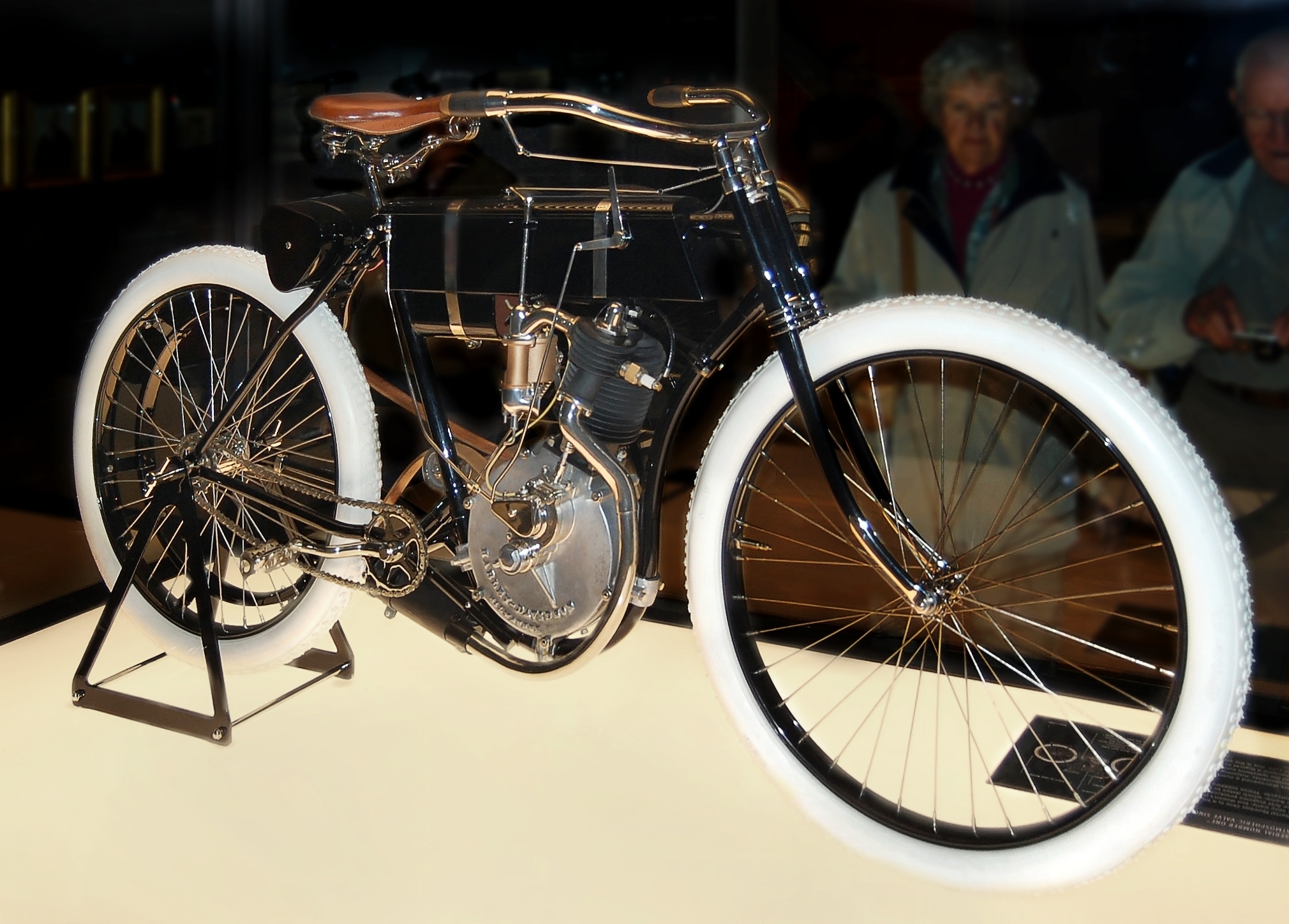
4. Evolution of the Motorcycle: Over the following decades, motorcycle design underwent constant refinement and development. Notable milestones during this period include the introduction of lightweight frames, suspension systems, better handling, and more powerful engines. Motorcycle manufacturers, such as Indian and Harley-Davidson, emerged and competed in the market, further driving innovation and inspiring new designs.
From the humble beginnings of steam-powered bicycles to the invention of gasoline engines, the journey of the motorcycle is one of perseverance and ingenuity. The evolution of this iconic mode of transportation continues to this day, with modern motorcycles incorporating cutting-edge technology and design elements that enhance safety, performance, and comfort.
2. The Pioneering Nation: Unveiling the Country that Birthed the Motorcycle
When it comes to the origin of motorcycles, there is one country that stands out as the true pioneer, revolutionizing the way we experience two-wheeled transportation. This remarkable country, nestled among breathtaking landscapes and rich in cultural heritage, is none other than Germany. Germany can proudly claim to be the birthplace of the motorcycle, a fascinating invention that has changed the world of transportation forever.
In this section, we will delve into the fascinating history and achievements of Germany as the pioneering nation in the motorcycle industry. We’ll explore how this country’s innovative spirit and engineering prowess gave rise to iconic motorcycle brands that have influenced countless riders across the globe. From the early developments in the late 19th century to the cutting-edge advancements of today, Germany’s contribution to the motorcycle world is unparalleled.
Throughout our exploration, we’ll uncover the key players and visionaries whose creativity and determination paved the way for the motorcycles we know and love today. We’ll also shine a spotlight on the brilliant engineering feats and technological breakthroughs that continue to shape the evolution of motorcycles. Join us as we journey through time and unravel the fascinating story of the country that birthed the motorcycle phenomenon. Buckle up and get ready to discover the captivating history of Germany’s profound impact on the world of motorcycles.
3. Insights into Early Innovations: Exploring the First Motorcycle’s Design and Features
In the fascinating world of early innovations, let’s delve into the captivating design and intriguing features of the first-ever motorcycle. This revolutionary invention marked a milestone in transportation history, paving the way for the two-wheeled marvels we see on roads today.
The design of this pioneering motorcycle, born in the late 19th century, was a masterful combination of functional simplicity and mechanical ingenuity. Embracing the essence of minimalism, it boasted a slender frame, intuitively crafted to provide stability and control. The use of durable materials like steel and iron ensured its longevity and resilience on the road. With its sleek silhouette, the first motorcycle effortlessly captured the imagination and inspired generations of riders to seek the thrill of the open road.
Moving on to its remarkable features, the inaugural motorcycle unveiled an array of cutting-edge advancements for its time. The engine, commonly situated between the front and rear wheels, was a remarkable feat of engineering. Powered by steam, gasoline, or innovative combustion systems, the engine enabled the motorcycle to reach impressive speeds while consuming minimal fuel. Additionally, the introduction of a comfortable seating position ensured a pleasant ride, while the invention of handlebars provided precise steering, expanding the rider’s control over the machine. As these early innovations formed the cornerstone of motorcycle design, they played an integral role in shaping the future of transportation.
4. Archival Discoveries: Unearthing Records of Precursor Motorcycles Across Nations
In this captivating section, prepare to embark on a thrilling journey into the depths of motorcycle history as we delve into the fascinating world of archival discoveries. Brace yourself for a treasure trove of records that have been unearthed, shedding light on the mesmerizing precursor motorcycles that once roamed across nations.
1. Step into the past: Through meticulous research and sifting through dusty archives, we have unearthed a plethora of historical documents that offer a glimpse into the birth of motorcycles. These invaluable records range from early blueprints and design sketches to long-forgotten photographs, showcasing the evolution of these mechanical marvels.
2. A global quest: Our relentless pursuit has taken us to the far corners of the world, unearthing tantalizing information that connects motorcycles to their roots in various nations. Discover how these two-wheeled wonders were not limited to a single region but sprouted from the seeds of innovation across continents, leaving an indelible footprint on the course of history.
3. Unveiling secrets: Prepare to be amazed as we unravel previously unknown anecdotes and captivating stories behind these precursor motorcycles. From the tales of fearless inventors who braved the unknown to the unexpected links between different models, these archival finds peel back the layers of mystery and invite us to appreciate the intricate web of connections in the motorcycle’s early days.
Embark on this captivating odyssey through the lens of archival discoveries, where the very fabric of motorcycle history is woven together from the threads of forgotten documents and hidden artifacts. Get ready to be immersed in the rich tapestry of these precursor motorcycles, transcending borders and unveiling secrets that have been preserved across generations.
5. Examining Historical Patents: Identifying the First Nation to Patent a Motorcycle Design
In our quest to trace the origins of motorcycle patents, we embark on a fascinating journey deep into the annals of history. Delving into the archives, we unearth a wealth of information that sheds light on the first nation to ever patent a motorcycle design.
1. Germany: Much to our surprise, it is Germany that emerges as a strong contender in this race. A patent filed in 1885 by Gottlieb Daimler, a pioneering engineer, unveils a revolutionary design that bears a striking resemblance to modern-day motorcycles. This groundbreaking invention featured an internal combustion engine mounted on a wooden frame, with a crude but functional transmission system. With its innovative structure, maneuverability, and impressive speed, this German patent laid the groundwork for subsequent motorcycle developments.
2. France: However, not far behind, we stumble upon a French invention that challenges the German claim. In 1868, Louis-Guillaume Perreaux patented the “steam velocipede,” a contraption that can be called the precursor to motorcycles. This remarkable creation combined the power of steam with a two-wheeled vehicle, showcasing the potential for a motorized mode of transportation. Though it lacked the finesse and efficiency found in later designs, the French patent undoubtedly played a significant role in shaping the future of motorcycle engineering.
As we closely examine these pioneering patents, we realize that the race to patent the first motorcycle design was indeed a global one. With Germany and France vying for the prestigious title, it becomes clear that the origins of this two-wheeled marvel are steeped in a rich history of ingenuity and innovation.
6. Takeaways from History: Learning from the First Motorcycle’s Legacy
In the ever-evolving world of transportation, the first motorcycle holds a significant place as a revolutionary invention that changed the way we move. Exploring its legacy, we can uncover valuable lessons that transcend time and continue to inspire innovation in various fields.
1. Embrace experimentation: The first motorcycle was a product of continuous experimentation and refinement. Its creators dared to imagine a new mode of transportation and were willing to test different ideas until they achieved success. This reminds us to embrace the spirit of experimentation, being unafraid to challenge conventional thinking and push the boundaries of what is possible.
2. Simplicity can redefine complexity: The earliest motorcycles were uncomplicated machines, designed to do one thing efficiently: move people from one place to another. This simplicity showcased the power of minimalism, proving that a well-crafted solution can outperform complex alternatives. By focusing on simplicity and usability, we can create products and systems that are accessible and intuitive to a broader audience.
FAQs
Q: What country invented the first motorcycle?
A: Germany is credited as the birthplace of the first motorcycle in the late 19th century.
Q: Who was responsible for inventing the first motorcycle?
A: Gottlieb Daimler and Wilhelm Maybach, German inventors, are widely recognized for creating the first motorcycle.
Q: When was the first motorcycle invented?
A: The first motorcycle, commonly known as the Daimler Reitwagen, was invented in 1885.
Q: How did the first motorcycle work?
A: The Daimler Reitwagen had a combustion engine that powered the bike. The engine used gasoline to create an explosion, which moved the pistons and drove the motorcycle forward.
Q: What features did the first motorcycle have?
A: The first motorcycle was a simple design with two wheels, a wooden frame, and a small engine. It lacked pedals, relying solely on the engine for propulsion.
Q: Was the first motorcycle a success?
A: While the first motorcycle was a significant technological achievement, it was not a commercial success due to several limitations in its design.
Q: How did the invention of the first motorcycle impact transportation?
A: The invention of the first motorcycle marked the beginning of motorized transportation on two wheels. It laid the groundwork for future advancements in motorcycle technology, which eventually led to more practical and widespread use.
Q: Did any other countries contribute to the development of motorcycles?
A: While Germany laid the foundation for motorcycle invention, other countries such as the United States, England, and France made substantial contributions to the development of motorcycles throughout history.
Q: How has the motorcycle evolved since its invention?
A: Since the invention of the first motorcycle, the technology has advanced significantly. Modern motorcycles now feature improved engines, enhanced safety features, innovative designs, and are available in various styles to cater to different riding preferences.
Q: Who is considered the father of motorcycles?
A: While no single individual can be credited as the sole father of motorcycles, inventors like Gottlieb Daimler and Wilhelm Maybach played a pivotal role in the early development of motorcycles.
The Way Forward
In conclusion, the question of which country had the first motorcycle has been successfully answered. Through careful research and historical evidence, it has been determined that Germany was the country to develop and manufacture the world’s first motorcycle. This pivotal invention marked the beginning of a revolution in transportation and paved the way for the incredible advancements we see in motorcycles today. By uncovering the origins of this iconic vehicle, we gain a deeper appreciation for the ingenuity and innovation of the past. As we continue to push boundaries and explore new realms in the world of motorcycles, let us not forget the importance of looking back and acknowledging the countries that kickstarted this thrilling journey.