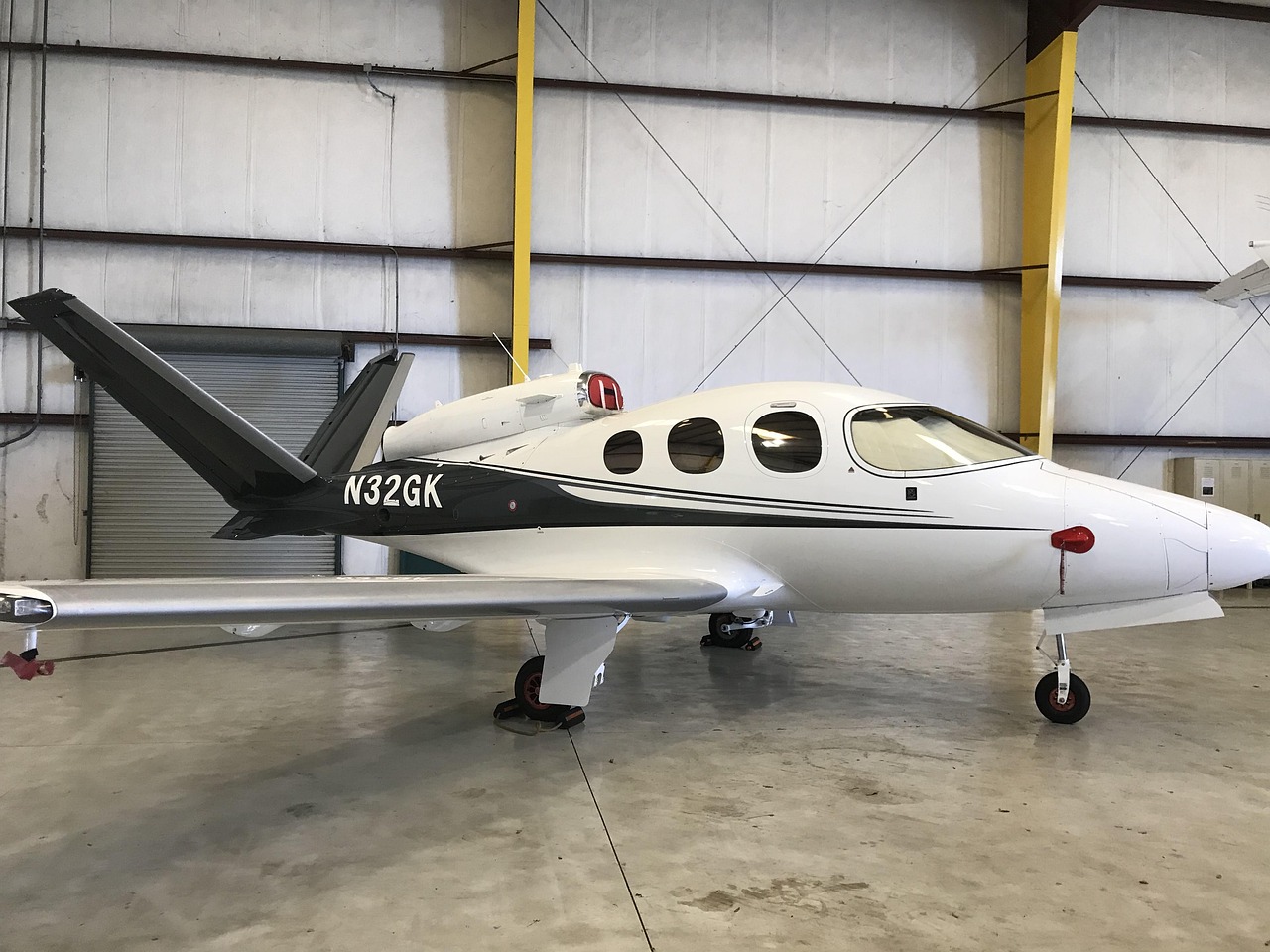
What Are the Requirements for Owning a Private Jet
Flying in a private jet has long been an irresistible daydream for many. Picture yourself soaring through the skies, away from the hustle and bustle of commercial travel, and basking in the ultimate luxury of owning your own airborne castle. But before jet-setting becomes a reality, there are certain prerequisites that must be met. In this article, we will unravel the intricate tapestry of requirements one must navigate to become the proud owner of a private jet. So fasten your seatbelts, tighten your grasp on reality, and let us take you on a captivating journey into the world of private jet ownership.
Table of Contents
- 1. Understanding the Financial Commitment: The Cost of Owning a Private Jet
- 2. Navigating the Legal Landscape: Meeting Regulatory and Licensing Requirements
- 3. Ensuring Safety and Security: Necessary Training and Maintenance for Private Jet Ownership
- 4. Managing Operational Logistics: Staffing, Hangar Space, and Fueling Considerations
- 5. Appraising the Market: Selecting the Ideal Private Jet for Your Needs
- 6. Exploring Alternative Ownership Options: Fractional Jet Ownership and Charter Programs
- FAQs
- Wrapping Up
1. Understanding the Financial Commitment: The Cost of Owning a Private Jet
When it comes to owning a private jet, it’s crucial to understand the financial commitment it entails. It goes beyond just the initial purchase price; there are ongoing expenses that should not be overlooked. Here are some key factors to consider:
- Acquisition: While private jets offer unmatched luxury and convenience, they come with a hefty price tag. The costs vary based on the type, age, and condition of the aircraft. Whether it’s a pre-owned or brand-new jet, the purchase itself requires a significant investment.
- Insurance and Hangarage: Keeping your prized possession secure is essential. Annual insurance premiums can range from hundreds of thousands to millions depending on the jet’s value and usage. Additionally, finding a suitable hangar space at airports, especially in popular destinations, may incur substantial expenses.
- Maintenance and Upkeep: Just like any complex machinery, private jets demand regular maintenance, inspections, and necessary repairs. These costs can quickly add up, especially for engines, avionics systems, interiors, and exteriors.
- Operating Costs: Fuel, crew salaries, training, navigation fees, landing charges, and catering services form part of the ongoing operational expenses. These costs largely depend on the flight duration, distance covered, and the number of passengers onboard.
- Residual Value: Private jets are assets that depreciate over time. It’s crucial to understand the potential change in value and factor it into your long-term ownership plans.
Before diving into the exclusive world of private jet ownership, meticulously considering the financial commitment will prevent any unexpected surprises down the runway. Weighing all the costs associated will enable you to make an informed decision and enjoy the unparalleled freedom of flying in your private sanctuary of luxury.
2. Navigating the Legal Landscape: Meeting Regulatory and Licensing Requirements
Navigating the legal landscape and meeting regulatory and licensing requirements can be a complex journey for any business. Understanding and adhering to these requirements is crucial for ensuring a smooth and successful operation. Here are some key considerations to keep in mind:
1. Research: Conduct thorough research on the specific regulations and licensing requirements that apply to your industry, location, and business type. Seek professional advice if needed to stay abreast of any changes or nuances in the legal landscape.
2. Documentation: Compile all necessary documentation and paperwork required for obtaining licenses and permits. This may include financial records, proof of compliance with safety and environmental regulations, business plans, and more. Being prepared with proper documentation will save you time and prevent potential legal issues down the road.
3. Compliance: Establish processes and systems that support ongoing compliance with applicable regulations. Regularly review and update your policies to align with any new requirements or industry standards.
4. Health and Safety: Prioritize the health and safety of your employees and customers. Develop and implement protocols that meet or exceed the standards set by relevant regulatory bodies. This includes maintaining proper sanitation practices, providing safety training, and carrying adequate insurance coverage.
5. Professional Assistance: Don’t hesitate to seek guidance from legal professionals or consultants who specialize in navigating the legal landscape of your industry. Their expertise will help you ensure full compliance and mitigate any potential risks.
Remember, meeting regulatory and licensing requirements isn’t just a legal obligation – it’s an opportunity to demonstrate your commitment to operating responsibly and ethically. Embrace these guidelines and be proactive in navigating the legal landscape to set your business up for long-term success.
3. Ensuring Safety and Security: Necessary Training and Maintenance for Private Jet Ownership
When it comes to owning a private jet, ensuring safety and security is of utmost importance. This requires comprehensive training and regular maintenance to guarantee a smooth and risk-free experience. Investing in the necessary training programs will ensure that the pilots and crew members are equipped with the knowledge and expertise to handle any situation that may arise during flight. Additionally, conducting routine checks and maintenance on the aircraft, including thorough inspections, system upgrades, and software updates, is crucial to keep it in optimal condition.
The following are key aspects of training and maintenance that private jet owners should prioritize:
- Pilot and Crew Training: Engaging in rigorous training programs that cover emergency procedures, crew resource management, and advanced flying techniques will enhance their skills and ability to handle any potential risks.
- Aircraft Maintenance: Regular maintenance checks are necessary to identify and address any mechanical issues promptly. This includes inspections of the engines, avionics, hydraulics, and all other crucial systems. Comprehensive maintenance programs must be established to adhere to safety regulations and ensure optimal performance.
- Upgrading Systems: Keeping up with technological advancements by regularly upgrading avionics, navigation systems, and communication equipment is essential for maintaining safety and streamlining operations.
- Software Updates: Ensuring that all software and applications used in the jet are up to date helps minimize vulnerabilities and enhances cybersecurity.
- Emergency Preparedness: Implementing emergency response plans, including simulating emergency scenarios and conducting regular drills, is vital for the safety of passengers and crew members.
By prioritizing ongoing training and maintenance, private jet owners can rest assured that they are taking all necessary measures to ensure a safe, secure, and enjoyable journey for everyone on board.
4. Managing Operational Logistics: Staffing, Hangar Space, and Fueling Considerations
Staffing Considerations
When it comes to managing operational logistics, one crucial aspect is the staffing of your team. Ensuring that you have a skilled and efficient workforce is paramount to the success of your operations. Here are some key points to consider:
- Familiarity: It is essential to have employees who are familiar with the specific tasks and responsibilities associated with operational logistics. This will help streamline operations and reduce the chances of errors or delays.
- Cross-training: Encouraging cross-training among your staff can be highly beneficial. By equipping employees with a diverse skill set, you increase flexibility and the ability to adapt to unforeseen challenges.
- Communication: Establishing effective communication channels within your team ensures smooth coordination, quick problem-solving, and timely delivery. Keeping an open line of dialogue between management and staff fosters a healthy working environment.
- Continuous Training and Development: Regularly investing in the training and development of your employees not only enhances their skills but also boosts morale and motivation. This can result in increased productivity and efficiency within your operational logistics team.
5. Appraising the Market: Selecting the Ideal Private Jet for Your Needs
In order to select the ideal private jet for your needs, it is crucial to appraise the market thoroughly. Start by identifying your specific requirements and preferences. Consider factors such as cabin size, range, and seating capacity. Do you prioritize luxury amenities or fuel efficiency? Once you have a clear understanding of your needs, research and compare different private jet models available. Take into account their performance capabilities, maintenance costs, and resale value. Gather as much information as possible to make an informed decision. Utilize resources like online forums, industry publications, and expert opinions. In addition, it is important to consult with experienced brokers or aviation consultants who can guide you through the selection process. Don’t forget to consider your budget and long-term objectives when making your final choice. Remember, choosing the perfect private jet involves careful analysis and consideration, ensuring that it aligns perfectly with your unique requirements.
6. Exploring Alternative Ownership Options: Fractional Jet Ownership and Charter Programs
Fractional jet ownership and charter programs offer unique and flexible ways to experience the luxury of private jet travel without the commitment of full ownership. With fractional jet ownership, individuals can enjoy the perks of owning a private jet without the financial burden and responsibility of maintaining and managing the aircraft. This ownership option allows you to purchase a share in an aircraft, providing you with a predetermined number of annual flight hours. Charter programs, on the other hand, offer on-demand access to a fleet of private jets, allowing you to book flights whenever you need to without long-term commitments. These programs give you the freedom to choose from a variety of aircraft options, catering to your specific travel needs. Whether you opt for fractional jet ownership or charter programs, both offer an exclusive and convenient way to travel in style and comfort. So, why not explore these alternative ownership options and elevate your travel experience to new heights?
FAQs
Q: Can anyone own a private jet?
A: While private jet ownership is not limited to the rich and famous, it does require a significant financial commitment. Simply put, buying, operating, and maintaining a private jet is not for the fainthearted or the light-walleted.
Q: How much does it cost to buy a private jet?
A: Private jet prices vary greatly depending on several factors, including the size, age, condition, and model of the aircraft. Prices can range from a few million dollars to eye-watering figures that could make your calculator cry. So, the price tag is definitely one you want to discuss with your accountant.
Q: Are there any ongoing costs associated with private jet ownership?
A: Absolutely! Owning a private jet comes with a handful of financial responsibilities. On top of the initial purchase price, you’ll need to budget for fuel, insurance, regular maintenance, hangar fees, crew salaries, and other miscellaneous expenses that might pop up along the way.
Q: Can I just buy a private jet and start flying?
A: Not exactly, my friend. Before you can fly your shiny new jet, you must obtain a pilot’s license. The type of license you need depends on the size and category of your aircraft. You can either train to become a private pilot or hire professional pilots to fly for you. Either way, safety should be your utmost priority.
Q: Are there any legal requirements for owning a private jet?
A: Certainly! Regulatory bodies like the Federal Aviation Administration (FAA) in the United States and their counterparts worldwide, oversee and regulate private jet ownership. You’ll need to register your aircraft, obtain an operating license, adhere to safety regulations, and comply with ongoing inspections to keep your jet soaring the skies legally.
Q: Can I finance my private jet purchase?
A: Yes, it’s possible! Many financial institutions offer specific loans and financing options for private jet purchases. However, be prepared to have a solid credit history and prove your ability to handle the financial burden, as lenders need reassurance that you won’t vanish into thin air, leaving them empty-handed.
Q: Are there any taxes associated with owning a private jet?
A: Ah, taxes – something we can’t escape! Depending on your jurisdiction, you may be subject to taxes such as sales tax, use tax, property tax, or even excise tax related to your private jet. It’s essential to consult with a tax professional to navigate the complex world of tax obligations.
Q: Can I charter or rent out my private jet?
A: Absolutely! Many private jet owners choose to charter or rent out their aircraft when they are not using it, as a means to offset some of the operating costs. Keep in mind, however, that regulations and safety standards governing charter operations may vary from personal use.
Q: Should I hire a management company to run my private jet?
A: Hiring a management company can be a great option if you prefer a hands-off approach. These companies take care of all the logistics, from crew recruitment to maintenance oversight, ensuring your aircraft is always ready to take flight. However, do your due diligence and find a reputable management firm that aligns with your needs and expectations.
Q: What are the benefits of owning a private jet?
A: Ah, the perks! Owning a private jet offers the luxury of unparalleled convenience, privacy, and flexibility. You can avoid commercial flight delays, select your own schedule, and enjoy the comfort of a personalized cabin. Plus, you get to experience the exhilarating freedom of flying at your own command!
Ready to take off on your private jet journey? Remember, owning a private jet goes beyond luxurious travel – it requires careful planning, substantial financial resources, and diligent adherence to aviation regulations. Buckle up, and soar high towards your dreams!
The Conclusion
As we conclude this exhilarating exploration into the world of private aviation, we have unveiled the hidden realm of luxury and freedom that comes with owning a private jet. From the enticing allure of soaring above the clouds to the logistical intricacies one must navigate, we have journeyed through a tapestry of requirements that define the privilege of this remarkable possession.
While the notion of owning a private jet may evoke images of opulence and extravagance, it is imperative to approach this subject with a balanced perspective. The requirements involved in such a venture are not for the faint of heart but rather for those who harbor an unwavering determination to conquer the skies.
Throughout our odyssey, we have delved into the financial responsibilities, legal intricacies, and operational demands that accompany the coveted title of a private jet owner. These requirements serve as a series of rigorous checkpoints, ensuring that only those truly dedicated to embracing the responsibilities are able to soar above limitations.
With immense financial commitment as one of the primary prerequisites, owning a private jet is undoubtedly a pursuit reserved for the astute and affluent. From acquisition costs to fuel expenses and maintenance fees, each financial obligation carries with it a formidable weight on the shoulders of the privileged few who dare to embark on this journey.
Moreover, the legal maze of permits, certifications, and regulations presents a complex web to navigate. A private jet owner must meticulously adhere to a plethora of rules, ensuring the safety and security of their passengers while preserving the respect for international aviation norms.
Yet, even in the face of financial and legal complexities, there is a certain allure and undeniable charm that comes with owning a private jet. Escape the turbulence of commercial travel and relish in the unparalleled convenience and personalization that accompanies flying in your own private aerial oasis.
In concluding our voyage through the requirements for owning a private jet, it is crucial to recognize that this undertaking is an intricate dance between dreams and realities. Balancing the exhilaration of boundless horizons with the relentless commitment required to operate this majestic machine is a challenge not to be underestimated.
Ultimately, the requirements for owning a private jet serve as a testament to the unrelenting pursuit of personal freedom and the audacity to defy boundaries. So, as we bid adieu, we leave you with a lingering question: Do you possess the indomitable spirit to spread your wings and embrace the world of private aviation? The answer lies within you.