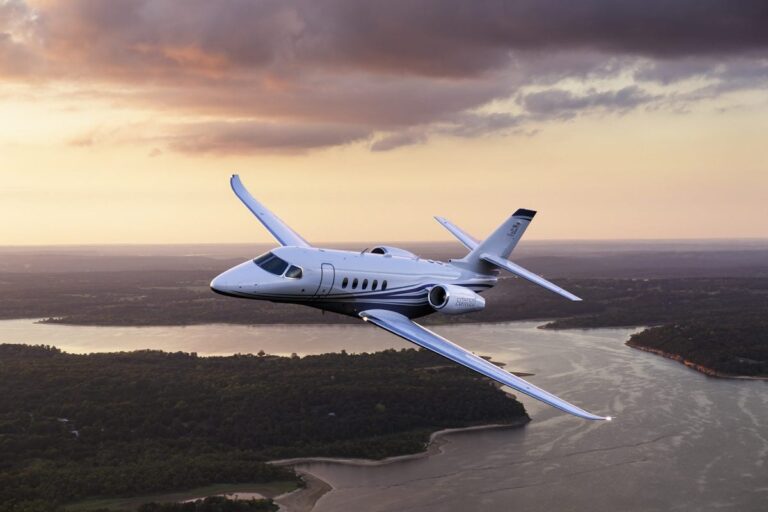
What Are the Environmental Benefits of Private Jet Travel
Private jet travel has long been a topic of debate when it comes to its environmental impact. Critics argue that these luxurious modes of transportation contribute significantly to carbon emissions, only exacerbating the climate crisis we currently face. However, what if we told you that private jet travel, despite its reputation, could also offer some surprising environmental benefits?
In this article, we will dive straight into the heart of the matter and shed light on the often overlooked positive aspects of private jet travel. Without unnecessary fluff or lofty jargon, we aim to provide a creative and neutral exploration of how private jet travel can contribute positively to our environment.
So, fasten your seatbelts, and let us soar through the realms of sustainable aviation to uncover the lesser-known side of private jet travel that showcases its environmental advantages.
Table of Contents
- Advantages of Private Jet Travel: An Environmental Perspective
- Reduced Emissions and Carbon Footprint of Private Jet Travel
- Efficiency Gains in Private Jet Operations: An Eco-friendly Approach
- Exploring Sustainable Fuel Alternatives for Private Jet Travel
- The Role of Technological Innovations in Minimizing Environmental Impact
- Driving Positive Change: Recommendations for a Greener Private Jet Industry
- FAQs
- Key Takeaways
Advantages of Private Jet Travel: An Environmental Perspective
Private jet travel may often be perceived as wasteful and harmful to the environment. However, it is important to consider the various advantages that private jet travel can offer from an environmental perspective. These advantages include:
- Reduced carbon emissions: Contrary to popular belief, private jets actually emit fewer carbon emissions compared to commercial airlines on a per-passenger basis. This is primarily due to increased fuel efficiency and the ability to fly more direct routes, thus reducing the overall carbon footprint.
- Less noise pollution: Private jets typically produce significantly less noise pollution compared to commercial planes, as they are equipped with advanced noise reduction technology. This can help minimize disturbances to both wildlife and nearby communities.
- Preservation of natural landscapes: Private jets are capable of landing at smaller, regional airports, which are often located closer to the desired destination. This not only saves time but also reduces the need for extensive airport infrastructure in environmentally-sensitive areas.
While private jet travel may still have some environmental impact, it is essential to recognize that advancements in technology and operational practices have significantly mitigated these effects. By adopting sustainable practices and considering the advantages mentioned above, private jet travel can serve as a more environmentally responsible option for air travel.
Reduced Emissions and Carbon Footprint of Private Jet Travel
Private jet travel has long been associated with excessive carbon emissions and a large carbon footprint. However, advancements in technology and a growing emphasis on sustainability have led to significant reductions in these environmental impacts. With a range of innovative measures and practices, private jet operators are actively working towards minimizing emissions and lowering the carbon footprint of their operations.
One of the key strategies employed by private jet operators is the adoption of more fuel-efficient engines. These state-of-the-art engines not only enhance the performance and speed of private jets, but also significantly reduce fuel consumption and, consequently, emissions. Another contributing factor to the reduced carbon footprint of private jet travel is the use of sustainable aviation fuels (SAFs). These alternative fuels, derived from renewable sources, produce fewer greenhouse gas emissions compared to traditional fossil fuels. By incorporating SAFs into their operations, private jet operators are making a positive impact on the environment.
In addition to technological advancements, private jet operators are embracing practices that further decrease their carbon footprint. Utilizing optimized flight routes and air traffic management systems helps to minimize fuel consumption and emissions. Private jet companies are also investing in regular maintenance and upgrades to ensure their aircraft perform at their highest efficiency levels. Furthermore, practicing load optimization, where weight and cargo are carefully managed, contributes to fuel savings and reduced emissions. By prioritizing these measures and constantly seeking new ways to achieve sustainable aviation, the private jet industry is taking important steps towards a greener future.
Efficiency Gains in Private Jet Operations: An Eco-friendly Approach
Private jet operations are embracing an eco-friendly approach, leading to significant efficiency gains. These innovative practices prioritize sustainability without compromising on luxury or convenience. Let’s explore how these green initiatives are revolutionizing the private aviation industry.
1. Sustainable Fuel Usage: Private jet operators are increasingly switching to sustainable aviation fuels (SAFs), which are derived from renewable sources like plant oils and agricultural waste. These SAFs significantly reduce greenhouse gas emissions, enhancing the overall ecological profile of private jet operations. By opting for SAFs, not only do private jet operators minimize the environmental impact of their flights, but they also set an example for the entire aviation sector to follow suit.
2. Advanced Aerodynamics: Private jets are being designed and modified for improved aerodynamics, resulting in reduced fuel consumption and emissions. Cutting-edge technologies such as winglets and blended wing designs enhance the aircraft’s ability to glide through the air with minimal resistance. This not only enhances fuel efficiency but also reduces noise pollution, making private jet travel more environmentally friendly. These aerodynamic innovations, coupled with lightweight materials, enable private jets to achieve higher speeds while consuming less fuel, further improving their efficiency.
In conclusion, private jet operators are proactively adopting eco-friendly measures to maximize efficiency in their operations. From sustainable fuel usage to advanced aerodynamics, these initiatives pave the way for a greener future in private aviation. By embracing these practices, the industry as a whole can reduce its carbon footprint and take a step towards a more sustainable and responsible future.
Exploring Sustainable Fuel Alternatives for Private Jet Travel
With the goal of reducing carbon emissions and exploring sustainable options, the private jet industry is actively seeking fuel alternatives that align with environmental concerns. In this pursuit, several promising alternatives have emerged that hold the potential to transform private jet travel.
One such alternative is biofuel, derived from organic materials such as plant oils or agricultural waste. Biofuels have gained significant attention due to their ability to produce lower greenhouse gas emissions compared to conventional jet fuel. The use of biofuels in private jets not only helps in reducing carbon footprints but also promotes the development of a circular economy by utilizing agricultural waste that would otherwise go to waste. As the demand for sustainable fuel alternatives surges, advancements in biofuel production and infrastructure are on the horizon, making it a viable option for private jet travel.
Another noteworthy alternative is hydrogen fuel cells, which have the potential to revolutionize the private jet industry. Harnessing the power of hydrogen, fuel cells produce electricity by converting hydrogen and oxygen into water, emitting only water vapor as a byproduct. With zero carbon emissions and a higher energy density, hydrogen fuel cells offer a clean and efficient energy source. Although there are challenges in terms of hydrogen storage and infrastructure development, ongoing research and development hold the promise of making hydrogen fuel cells a practical and sustainable solution for private jet travel in the near future.
The Role of Technological Innovations in Minimizing Environmental Impact
In today’s world, technological innovations play a crucial role in minimizing environmental impact. These advancements have paved the way for sustainable solutions that help preserve our planet for future generations. By harnessing the power of technology, we can address pressing environmental issues and reduce our carbon footprint.
One significant way in which technology aids in minimizing environmental impact is through the development of renewable energy sources. Solar panels, wind turbines, and hydroelectric power plants are just a few examples of innovative energy technologies that harness natural resources without harming the environment. These clean energy sources not only reduce greenhouse gas emissions but also provide a sustainable alternative to traditional fossil fuels. Additionally, advancements in energy storage systems enable us to efficiently store renewable energy for use during peak demand periods, ensuring a reliable and continuous supply of clean power.
Driving Positive Change: Recommendations for a Greener Private Jet Industry
As we strive towards a more sustainable future, it is crucial that every industry plays its part. The private jet industry, although synonymous with luxury and convenience, often carries a significant environmental impact. With that in mind, here are some comprehensive recommendations to drive positive change and create a greener private jet industry.
1. Invest in Sustainable Aviation Fuel (SAF): Encouraging private jet operators to shift towards SAF can significantly reduce emissions. SAF can lower carbon emissions by up to 80% compared to conventional jet fuel, ensuring a more sustainable and eco-friendly operation.
2. Promote Energy-Efficient Aircraft Designs: Emphasis should be placed on developing and supporting aircraft designs that prioritize energy efficiency. This includes investing in lighter materials, improved aerodynamics, and advanced engine technologies to minimize fuel consumption and carbon emissions.
FAQs
Q: Is private jet travel environmentally friendly?
A: While private jet travel does have some environmental impact, it can offer certain benefits compared to commercial flights.
Q: What are the key environmental benefits of private jet travel?
A: Private jet travel can minimize the time spent in airports, reduce overall travel time, and potentially lower greenhouse gas emissions.
Q: How does private jet travel reduce airport time?
A: Since private jets operate from smaller, less crowded airports, passengers can avoid long security lines, unnecessary layovers, and extensive baggage checks.
Q: Does private jet travel result in shorter overall travel time?
A: Yes. Private jets are often faster than commercial planes, as they can fly directly to more airports, bypassing time-consuming connections.
Q: How can private jet travel potentially lower greenhouse gas emissions?
A: Private jets flying at higher altitudes can reach more direct routes, reducing flying time and fuel consumption. However, it’s important to note that private jets generally emit more CO2 per passenger compared to commercial flights.
Q: Are there any other environmental benefits to private jet travel?
A: Private jets can also contribute to local economies by supporting smaller airports and remote areas that would otherwise have limited air connectivity.
Q: How does private jet travel affect noise pollution?
A: While private jets have noise reduction technologies, they can still generate noise close to the ground, especially during takeoff and landing.
Q: Are there any potential downsides to private jet travel?
A: Affordability and accessibility can be limiting factors, as the high costs and exclusive nature of private jets restrict them to a privileged few.
Q: How does private jet travel compare to other transportation modes?
A: While private jet travel might offer some environmental benefits over commercial flights, it generally has a larger carbon footprint compared to greener transportation modes such as trains or electric vehicles.
Q: Are there any regulations surrounding private jet emissions?
A: Currently, private jets are not subject to the same emissions regulations as commercial airlines, although discussions are underway to address this disparity.
Q: Can private jet travel become more environmentally friendly in the future?
A: Advances in technology, such as the development of electric or hybrid private jets, have the potential to make this form of travel more eco-friendly in the future.
Key Takeaways
In conclusion, we have explored the environmental benefits of private jet travel. While it is widely known that air travel has negative implications for the environment, private jets can offer some advantages in terms of reducing overall carbon emissions. The streamlined design and advanced technology of these aircraft allow for greater fuel efficiency, resulting in lower carbon footprints compared to commercial flights. Additionally, the ability to fly direct routes and optimize flight paths decreases the amount of fuel consumed. However, it is important to note that these environmental benefits are relative, and private jet travel still contributes to global greenhouse gas emissions. Ultimately, a shift towards sustainable aviation practices and exploring alternative fuel sources is crucial to further mitigate the environmental impact of air travel as a whole.