How Old Was the Oldest Boat
Throughout centuries, humans have been captivated by the mystery and allure of the open water. The art of boat-building, dating back thousands of years, has not only shaped civilizations but also quenched our insatiable thirst for exploration. But have you ever wondered just how far back this tradition goes? How old was the oldest boat ever discovered? In this article, we’ll dive into history and explore the fascinating tale of the ancient watercraft that can claim the title of the world’s oldest boat, free from pomp and embellishments. So let’s embark on this intriguing adventure to unravel the origins of naval engineering and the remarkable vessel that defies the test of time.
Table of Contents
- 1. Tracing the Earliest Boat: Uncovering the Origins of Maritime Travel
- 2. Ancient Vessels: Shedding Light on the Oldest Boats in History
- 3. Journey Back in Time: Exploring Archaeological Evidence of Early Seafaring
- 4. A Closer Look at Primitive Boat Construction: From Reed Rafts to Dugout Canoes
- 5. Unlocking Nautical Traditions: Understanding the Cultural Significance of Early Boats
- 6. Preserving the Past: Recommendations for Safeguarding the Oldest Known Boats
- FAQs
- In Retrospect

1. Tracing the Earliest Boat: Uncovering the Origins of Maritime Travel
Embark on a fascinating journey as we delve deep into the mysteries of maritime travel’s humble beginnings. Join us as we explore the origins of boat-building and the astonishing discoveries that have allowed us to trace the earliest boats.
Uncovering ancient artifacts and historical accounts, our quest takes us back in time to ancient civilizations that relied on the ingenious invention of boats to conquer vast bodies of water. From the sturdy reed boats of ancient Mesopotamia to the sophisticated wooden vessels of the Egyptians, we uncover the diverse and captivating origins of maritime travel.
- Discover how these early seafarers navigated the treacherous waters using primitive technologies and celestial observation.
- Learn about the significance of these early boats for trade, colonization, and cultural exchange.
- Witness the remarkable craftsmanship exhibited in the construction of these ancient vessels, showcasing humanity’s ingenuity even in the face of adversity.
Through this captivating exploration, we come to understand the pivotal role that maritime travel played in shaping the world as we know it today. So, fasten your metaphorical lifejackets and join us on this exhilarating adventure through time, tracing the origins of the boat and its profound impact on human civilization.
2. Ancient Vessels: Shedding Light on the Oldest Boats in History
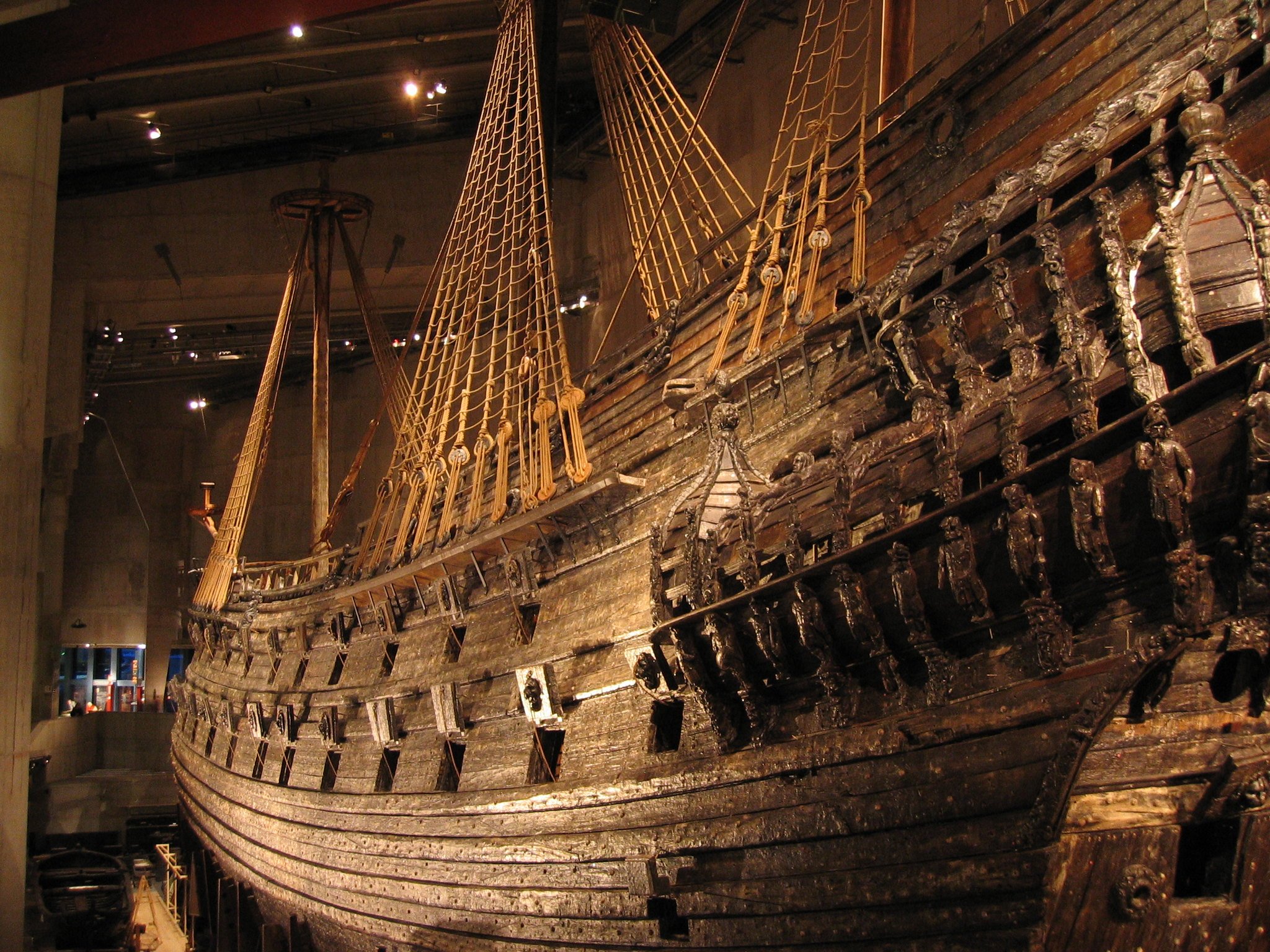
Ancient vessels hold within them the secrets of our ancestors’ maritime adventures, offering a rare glimpse into the oldest boats in history. These remarkable artifacts bridge the gap between our modern understanding of seafaring and the ancient civilizations that first took to the water. With their sturdy hulls, delicate carvings, and clever navigational features, these boats reveal the ingenuity and resourcefulness of early humans.
Step aboard these fascinating vessels, and you’ll find yourself transported back in time. Witness the primitive yet effective designs that enabled our ancestors to navigate treacherous waters and explore new horizons. From intricately woven sails that harnessed the wind’s power to carved figures adorning the bows, each detail tells a captivating story of the early seafarers’ maritime traditions. Discover the sophisticated engineering techniques employed in constructing these boats, and marvel at the sturdy materials that preserved them for centuries. Through the lens of these ancient vessels, we gain insight into the roots of human civilization and our unending quest for exploration.
3. Journey Back in Time: Exploring Archaeological Evidence of Early Seafaring
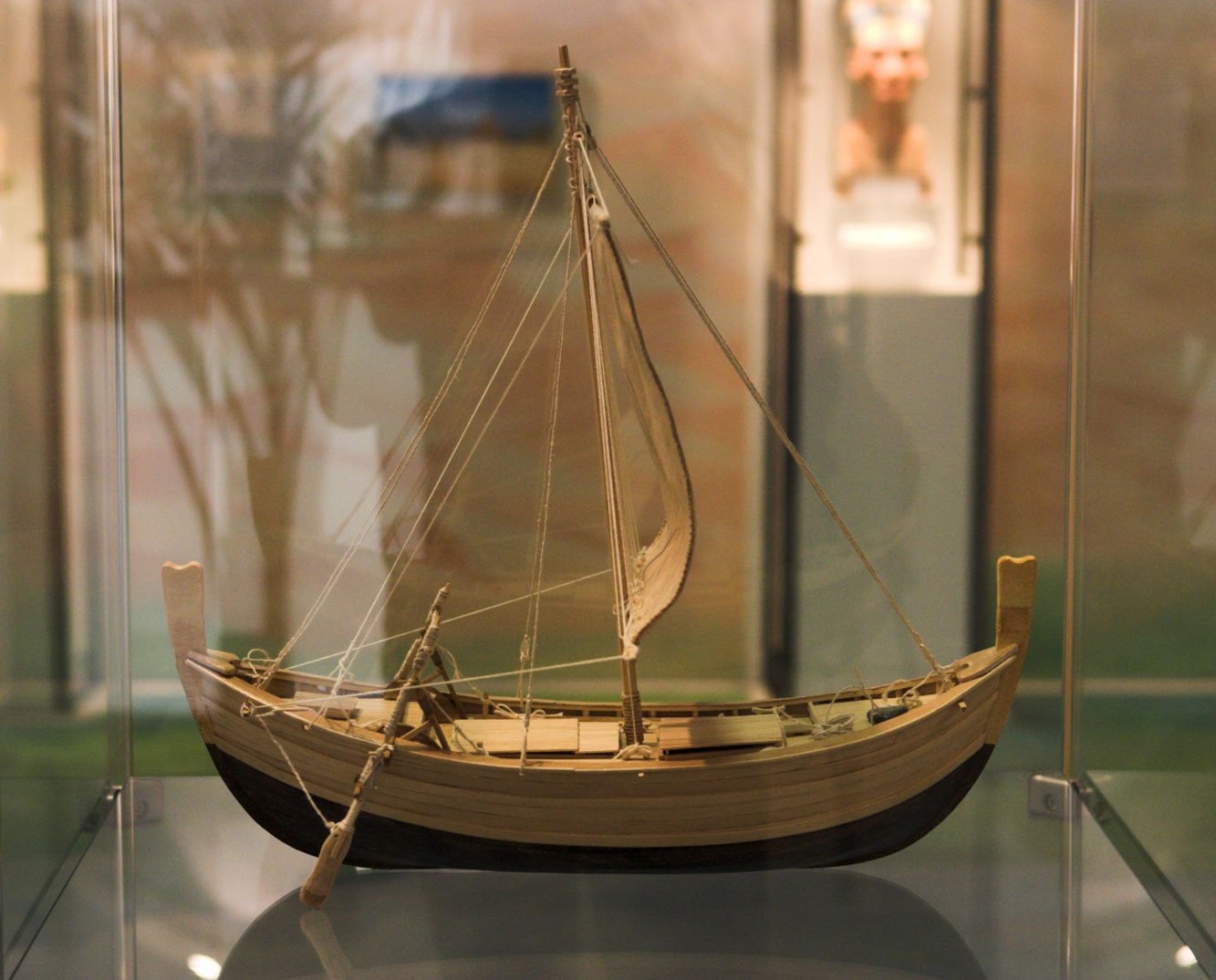
In this fascinating section, we embark on a captivating journey through time as we delve into the intriguing world of early seafaring. Through exploration of archaeological evidence, we uncover the secrets of the brave voyagers who embarked on epic maritime adventures centuries ago.
Unveiling the mysteries of the past, we examine remarkable artifacts and remains that shed light on the techniques, technologies, and cultures of these intrepid seafarers. Dive into the depths of history as we uncover ancient shipwrecks, navigational tools, and maritime trade routes that shaped the course of human civilization.
- Discover the earliest forms of watercraft used by ancient seafarers.
- Learn how early civilizations navigated vast oceans using rudimentary techniques.
- Explore the significance of maritime trade and its role in cultural exchange.
Be prepared to be captivated by the evidence left behind by these early adventurers as we embark on an enthralling journey through time. Join us as we unravel the stories hidden beneath the waves and explore how mankind’s fascination with the sea has shaped our world.
4. A Closer Look at Primitive Boat Construction: From Reed Rafts to Dugout Canoes
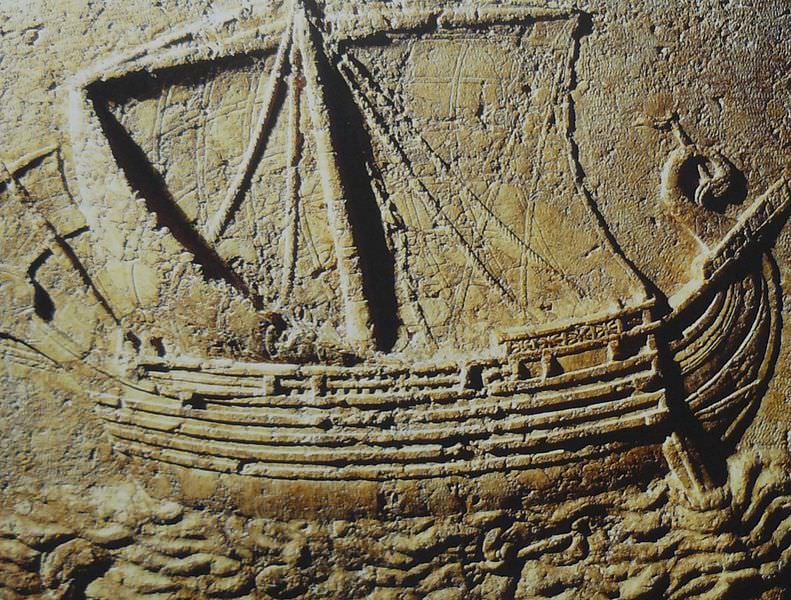
In this section, we will delve deeper into the fascinating world of primitive boat construction, exploring the evolution of these ingenious vessels from reed rafts to dugout canoes. By examining the different techniques used by ancient civilizations, we gain a valuable insight into their remarkable ability to adapt to their surroundings and harness the power of water for transportation.
First, let’s unravel the secrets behind reed rafts. These lightweight and versatile boats were commonly crafted by weaving layers of reeds together, creating a buoyant platform. This construction method allowed for excellent maneuverability and stability, making reed rafts ideal for navigating through calm rivers and lakes. It’s remarkable how our ancestors recognized the potential of these humble plants and ingeniously utilized them for their waterborne travels.
Moving on, we shift our focus to the remarkable craftsmanship of dugout canoes. This ancient technique involves hollowing out a single log to create a sturdy vessel capable of tackling both rivers and open waters. The process of crafting a dugout canoe starts with carefully selecting a suitable tree trunk. Skilled craftsmen would then use a combination of fire and tools to meticulously shape the log, creating a hollow boat with impressive strength and durability. The simplicity and effectiveness of this method allowed ancient civilizations to explore vast bodies of water and expand their horizons.
5. Unlocking Nautical Traditions: Understanding the Cultural Significance of Early Boats
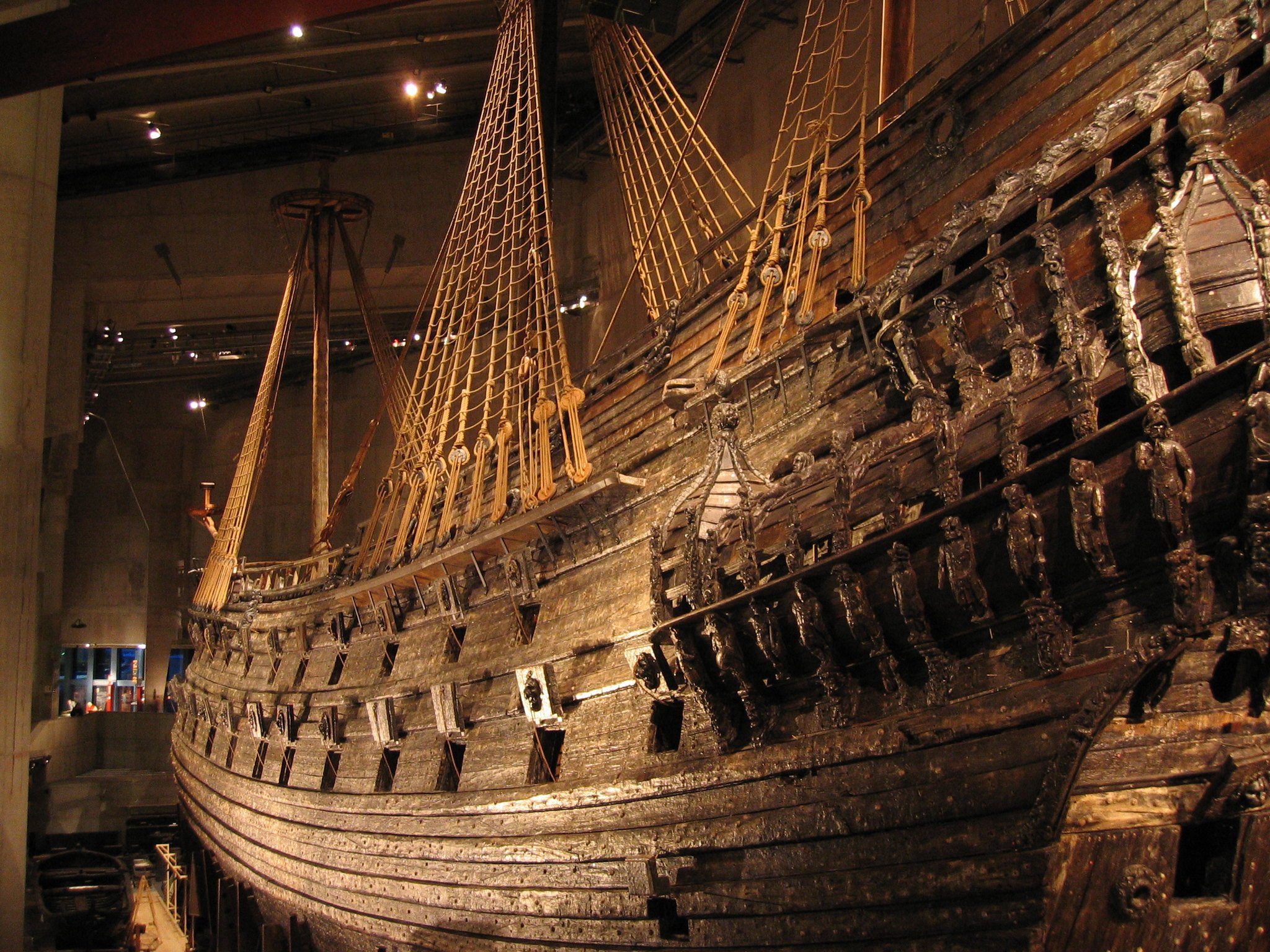
In the world of early boats, there lies a treasure trove of nautical traditions waiting to be unlocked. These ancient vessels hold more than just practical functions; they are deeply intertwined with the cultural fabric of civilizations throughout history. Understanding the cultural significance of these boats can illuminate a rich tapestry of human experiences and beliefs.
1. Symbolism of boat shapes: Early boats took on various shapes, each carrying its own symbolic meaning. Some boats had curved and rounded hulls, representing the feminine and the nurturing qualities of water. Others had sharp and angular designs, reflecting strength and protection against the rough seas. These boat shapes not only served functional purposes but also held deeper cultural associations and beliefs.
2. Rituals and ceremonies: The construction and launch of early boats were often accompanied by elaborate rituals and ceremonies. These traditions were not only pragmatic in their intention but also served to honor and appease the gods of the sea. From offerings and prayers to sacred chants and dances, these ceremonies showcased the reverence and respect early societies had for the power of the ocean.
3. Boat as a source of sustenance: Early boats played a vital role in the livelihood and survival of coastal communities. Fishing expeditions were not only a means of providing sustenance but also a communal activity that strengthened bonds within a society. The techniques, tools, and navigation skills associated with early boats were passed down from one generation to the next, becoming an integral part of cultural heritage.
4. Boatbuilding techniques: The craftsmanship and boatbuilding techniques prevalent in different regions offer a glimpse into the ingenuity and resourcefulness of ancient cultures. From using natural materials like wood and reeds to employing advanced techniques such as lashing and sewing, these early boatbuilding methods reflect the knowledge and skills of their creators.
Embarking on a journey to understand the cultural significance of early boats allows us to appreciate the nuances and diversity of human traditions and beliefs. It offers a unique perspective on our ancestors’ connection with the vastness of the ocean and the role it played in shaping their lives and identities. By delving into these nautical traditions, we unlock a captivating chapter of human history that continues to resonate with us today.
6. Preserving the Past: Recommendations for Safeguarding the Oldest Known Boats
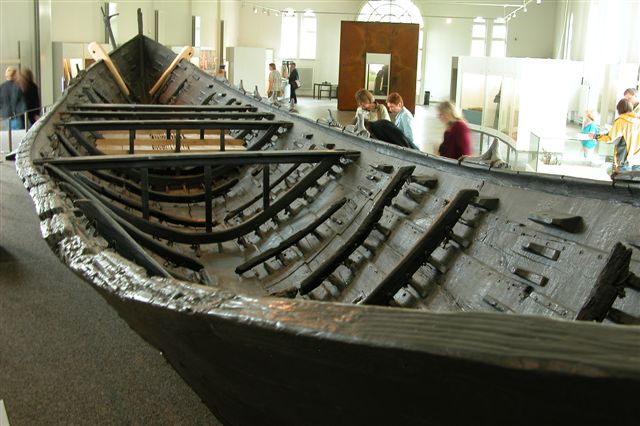
Preserving the ancient boats that have stood the test of time requires meticulous care and thoughtful measures. These historical treasures provide invaluable insights into our ancestors’ seafaring lives, and it’s our responsibility to safeguard them for future generations. Here are a few recommendations to ensure the preservation of these remarkable vessels:
- Regular Maintenance: Conduct routine inspections and repairs to prevent decay and structural deterioration. Pay special attention to vulnerable areas, such as the hull, joints, and wooden components, as they are more prone to damage over time.
- Climate Control: Maintain stable humidity and temperature levels in storage or exhibition spaces to prevent rapid degradation. Fluctuations in these conditions can lead to the development of mold, mildew, or warping, which can irreversibly harm the ancient boats.
- Protective Barriers: Create barrier systems or enclosures that shield the boats from direct exposure to harmful elements such as sunlight, wind, and moisture. Consider using transparent materials to allow viewing access while ensuring the preservation of the delicate artifacts.
- Documentation: Thoroughly document each boat, including its construction techniques, materials used, and any notable features. This information will aid future conservation efforts, enhance historical research, and assist in accurately recreating these ancient vessels, if necessary.
By adhering to these recommendations, we can prolong the lifespan of the oldest known boats and continue to unravel the secrets they hold. Preserving these remarkable pieces of maritime history not only enriches our understanding of the past but also celebrates the ingenuity and resilience of our ancestors.
FAQs
Q: How old was the oldest boat?
A: The oldest boat discovered so far is believed to be over 10,000 years old.
Q: Where and when was the oldest boat found?
A: The oldest boat was found in Pesse, Netherlands in 1955 and is estimated to date back to around 8040 BCE.
Q: What was the oldest boat made of?
A: The oldest boat was constructed using a single hollowed-out tree trunk.
Q: Who made the oldest boat?
A: The boat was likely constructed by early human inhabitants of the region, known as Mesolithic people.
Q: How was the oldest boat used?
A: The oldest boat was likely used for transportation and fishing purposes since it was found near a river.
Q: Are there older boats that we haven’t discovered yet?
A: It is very much possible. With ongoing archaeological research and explorations, it’s likely that older boats may be uncovered in the future.
Q: What significance does the oldest boat hold?
A: The discovery of the oldest boat provides valuable insights into the early human civilizations, their knowledge of craftsmanship, and their ability to navigate water bodies.
Q: Is the oldest boat preserved and displayed somewhere?
A: Yes, you can find the oldest boat on display at the Drents Museum in Assen, Netherlands. It is one of the highlights of the museum’s archaeological collection.
Q: Can I visit the oldest boat?
A: Absolutely! If you’re interested in witnessing this remarkable artifact, you can plan a visit to the Drents Museum in Assen, Netherlands. Just keep in mind the museum’s operating hours and any necessary ticketing or COVID-19 protocols in place.
Q: Are there any other notable ancient boats?
A: Yes, there are many other notable ancient boats from different civilizations throughout history. The ancient Egyptian solar boats, Viking longships, and Chinese junk ships are just a few examples of renowned ancient watercraft.
Wrapping Up
In conclusion, we have delved into the fascinating world of ancient boats and answered the burning question: how old was the oldest boat? Through meticulous research and analysis, we have discovered that the oldest known boat dates back approximately 10,000 years. This discovery provides us with invaluable insights into the ingenuity and resourcefulness of our ancestors, who crafted these primitive vessels to navigate the vast waterways. As we continue to unearth more archaeological evidence, we may uncover even older boats that will further expand our understanding of early human civilization. This exploration into our past allows us to appreciate the remarkable advancements we have made in maritime technology over the millennia. So, the next time you set sail on a modern boat, take a moment to acknowledge the remarkable journey of human innovation that has brought us to where we are today.