Are There Private Islands with Wildlife Conservation Efforts
Private islands and wildlife conservation efforts—an unlikely combination at first glance, evoking images of luxurious retreats devoid of any connection to the natural world. But delve deeper, and you’ll discover a world where the pristine beauty of private islands intertwines with a passion for preserving our planet’s rich biodiversity. In this article, we embark on a journey to unravel the enigmatic partnerships forged between those who seek untamed solitude and the fervent protectors of Earth’s wildlife. So, let’s set sail and explore the intriguing realm where exclusivity meets environmental consciousness. Are there truly private islands with wildlife conservation efforts? Let’s find out.
Table of Contents
- Preserving Biodiversity: The Role of Private Islands in Wildlife Conservation Efforts
- Exploring Private Islands as Sanctuaries for Endangered Species
- Innovative Strategies: How Private Islands Contribute to Wildlife Rehabilitation
- Collaboration for Conservation: Successful Partnerships between Private Island Owners and Scientists
- Creating Sustainable Models: Private Islands as Centers for Eco-Tourism and Conservation Education
- Preserving Natural Habitats: Best Practices for Private Island Owners in Wildlife Conservation
- FAQs
- In Summary
Preserving Biodiversity: The Role of Private Islands in Wildlife Conservation Efforts
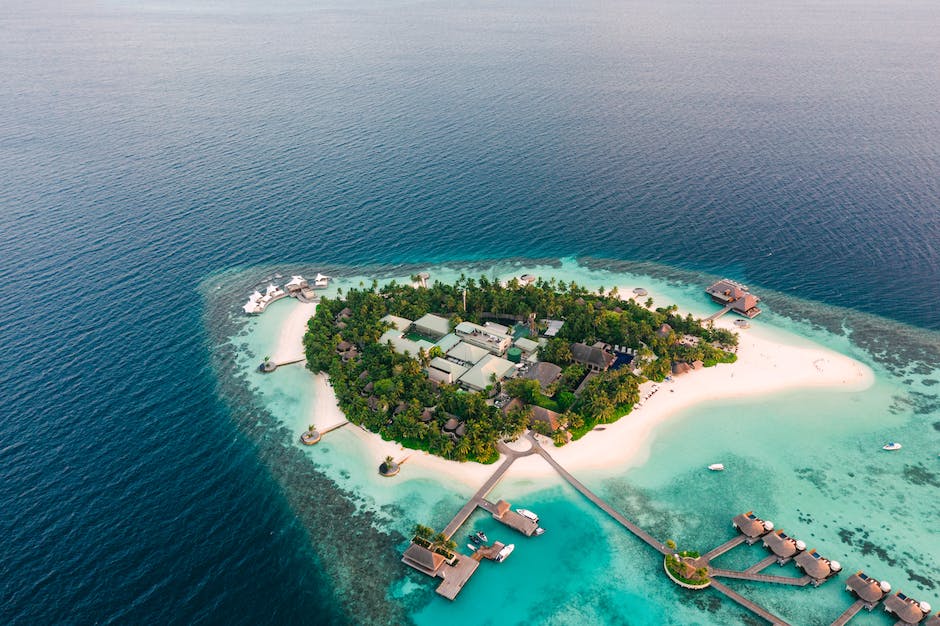
There is a valuable player in the realm of wildlife conservation efforts: private islands. These secluded pieces of land serve as crucial sanctuaries, preserving biodiversity and protecting countless species from the threat of extinction. How exactly do private islands contribute to these noble endeavors? Let’s explore.
First and foremost, private islands offer a haven for endangered species. These pristine natural habitats create a safe space where wildlife can thrive undisturbed by human activities. By providing a secluded environment free from hunting, pollution, and habitat destruction, private islands allow endangered animals and plants to flourish and recover their populations. The abundance of resources and minimal disturbance ensures a sustainable ecosystem, making it easier for species to survive and even repopulate. Additionally, the privacy and exclusivity of private islands enable conservation organizations to conduct research and implement specialized conservation programs with minimal external interference.
Moreover, private islands often serve as important stepping stones in the migratory routes of various species. Acting as biological corridors, these islands connect fragmented habitats and facilitate the movement of animals between different ecosystems. This is particularly vital for migratory birds, such as shorebirds and waterfowl, as they rely on a network of stopover sites during their long-distance journeys. Private islands play a crucial role in this intricate web, providing necessary resting, feeding, and breeding grounds for these avian travelers. Without private islands, these species would face significant challenges in finding suitable places to rest and replenish their energy, leading to a decline in their populations.
Exploring Private Islands as Sanctuaries for Endangered Species
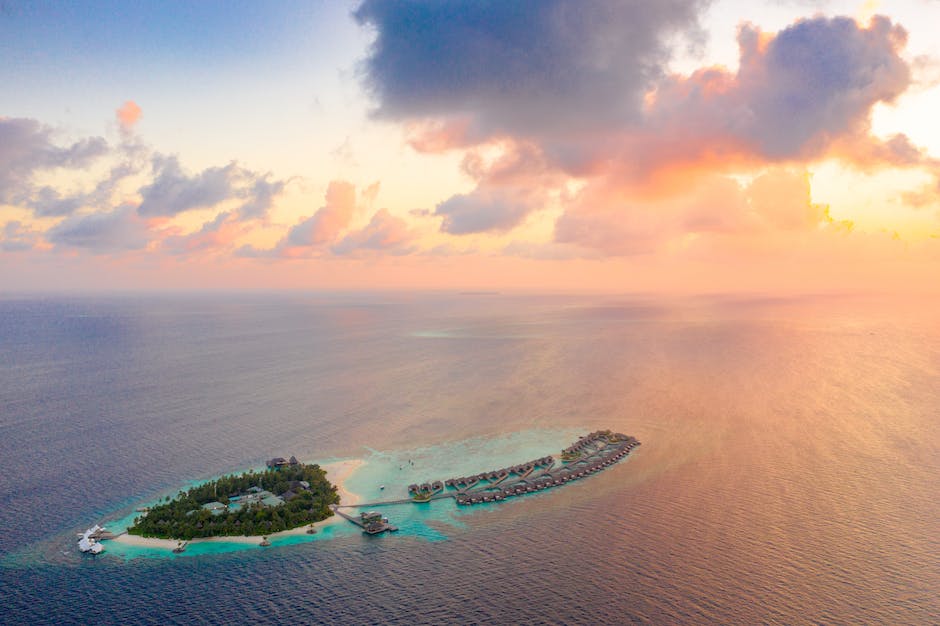
When it comes to finding safe havens for endangered species, private islands are emerging as remarkable sanctuaries. These secluded islands offer a unique opportunity to protect and preserve vulnerable wildlife in an undisturbed environment. Away from the pressures of human interference, private islands can serve as havens for endangered species, providing them with the perfect conditions to thrive.
One of the main advantages of using private islands as sanctuaries is the ability to control and manage the surrounding ecosystem. The absence of external threats such as deforestation, pollution, and poaching allows conservation efforts to be focused solely on protecting and replenishing endangered populations. This can include establishing protected areas, implementing breeding programs, and conducting research and monitoring to better understand and safeguard these fragile ecosystems.
Innovative Strategies: How Private Islands Contribute to Wildlife Rehabilitation
Private islands have become a haven for wildlife rehabilitation, thanks to their innovative strategies. These secluded paradises offer a safe and controlled environment for various animal species to recover and thrive. In contrast to traditional rehabilitation centers, private islands provide a unique and holistic approach to wildlife rehabilitation.
One of the most notable strategies involves creating specialized habitats that mimic the natural ecosystems of the animals being rehabilitated. From lush forests to sprawling wetlands, these private islands boast diverse landscapes that cater to the unique needs of different species. This allows the wildlife to regain their natural instincts and adapt to the wild with greater ease. To further promote the rehabilitation process, private islands also implement controlled breeding programs, ensuring the preservation of endangered species and the growth of their populations.
Moreover, private islands go beyond merely focusing on physical recovery. They offer comprehensive care programs that encompass health monitoring, nutrition planning, and behavioral rehabilitation. Experienced and dedicated teams of wildlife experts work closely with the animals, providing individualized attention and ensuring their well-being. These experts implement cutting-edge technologies and research to better understand the species’ requirements and tailor their rehabilitation plans accordingly. By employing these innovative strategies, private islands play a pivotal role in the conservation of wildlife, greatly contributing to the overall revival of endangered species.
Collaboration for Conservation: Successful Partnerships between Private Island Owners and Scientists
Private island owners and scientists have joined hands in a remarkable collaboration aimed at safeguarding the environment. Through successful partnerships, these unlikely allies are making significant strides in conservation efforts. By combining their resources, expertise, and passion, they are proving that the power of collaboration knows no bounds.
In these partnerships, private island owners play a crucial role by offering their exclusive properties as research sites and sanctuaries for endangered species. These pristine islands provide a unique and undisturbed habitat where scientists can conduct their studies and gather essential data. By granting access to these otherwise inaccessible locations, private island owners are contributing to the advancement of scientific knowledge and understanding of fragile ecosystems.
Scientists, on the other hand, bring their expertise and technical skills to the table. They design and execute comprehensive research projects that address pressing environmental concerns. From studying the impact of climate change on marine life to monitoring the behavior of migratory birds, their work is at the forefront of conservation efforts. By partnering with private island owners, scientists not only gain access to pristine environments but also benefit from the owners’ understanding of the local ecosystem and their commitment to its protection.
These collaborations have resulted in remarkable achievements. Here are some notable examples:
Successful species reintroduction: Private island owners have worked closely with scientists to reintroduce endangered species to their natural habitats. Through meticulous planning and careful monitoring, they have successfully rebuilt populations of once-threatened species, such as sea turtles and rare birds.
Effective habitat restoration: By combining scientific knowledge and resources, private island owners and scientists have been able to restore and protect degraded habitats. Through reforestation efforts, removal of invasive species, and implementation of sustainable practices, these collaborations have helped revive ecosystems that were on the brink of collapse.
Community engagement and education: Partnerships between private island owners and scientists have not only focused on conservation efforts but also on raising awareness and engaging local communities. Through educational programs and collaborations with schools and universities, these initiatives aim to inspire the next generation to become stewards of the environment.
As we witness these successful collaborations between private island owners and scientists, it becomes clear that by joining forces and breaking down barriers, we can achieve remarkable results in conservation. The unique perspectives, resources, and passion that each partner brings to the table make these collaborations a force to be reckoned with. Together, they are forging a path towards a sustainable future, marking a true triumph of collaboration for conservation.
Creating Sustainable Models: Private Islands as Centers for Eco-Tourism and Conservation Education
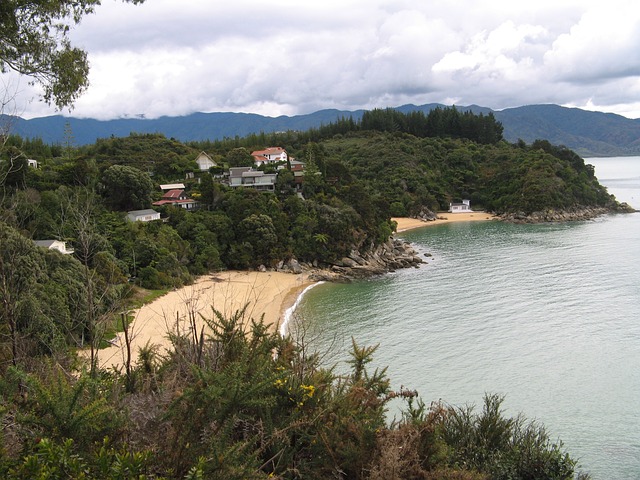
Private islands have the potential to serve as remarkable centers for eco-tourism and conservation education. By embracing sustainable models, these hidden paradises can become living examples of how humans can coexist harmoniously with nature. Eco-tourism on private islands allows visitors to immerse themselves in the beauty of untouched landscapes, getting up close and personal with rare wildlife and stunning ecosystems. Whether it’s snorkeling in vibrant coral reefs, hiking through lush rainforests, or participating in conservation activities, these experiences provide a unique opportunity for people to connect with the natural world and gain a deeper understanding of the importance of conservation efforts.
One of the key benefits of private islands as centers for eco-tourism and conservation education is the ability to control and minimize the environmental impact of tourism activities. By carefully managing visitor numbers and implementing sustainable practices, private island owners can ensure that the delicate ecosystems and wildlife habitats remain protected. This can include initiatives such as limiting the use of motorized vehicles, promoting renewable energy sources, minimizing waste production, and implementing eco-friendly accommodation options. Through educational programs and guided tours, visitors can learn about the importance of conserving these pristine environments and the steps they can take to make a positive impact in their own lives. By embracing this sustainable approach, private islands can not only contribute to conservation efforts but also inspire and empower individuals to become advocates for the preservation of our planet’s natural treasures.
Preserving Natural Habitats: Best Practices for Private Island Owners in Wildlife Conservation
Preserving natural habitats is essential for protecting wildlife and maintaining biodiversity. As private island owners, there are several best practices that can be implemented to effectively contribute to wildlife conservation:
- Create wildlife-friendly zones: Set aside specific areas on your island that are dedicated to preserving natural habitats. These zones can provide a safe haven for native species, allowing them to thrive undisturbed.
- Minimize human impact: Take measures to minimize human interference in the natural environment. Through responsible land and water management, you can reduce the negative impact on wildlife populations and their habitats.
- Protect endangered species: Identify and protect any endangered species that may inhabit your private island. Conduct surveys and work with local conservation organizations to implement strategies for their preservation.
- Control invasive species: Invasive species pose a significant threat to native flora and fauna. Implement measures to control and eradicate invasive species, such as extensive monitoring and removal programs.
- Engage in research and education: Support and participate in scientific research initiatives to better understand the needs and behavior of the wildlife on your island. Use this knowledge to develop effective conservation strategies. Additionally, educate visitors and staff about the importance of wildlife conservation and the actions they can take to contribute.
- Restore degraded habitats: If parts of your island have been affected by human activity or natural disasters, consider implementing habitat restoration projects. This can involve activities such as reforestation, wetland restoration, or coral reef rehabilitation.
By implementing these best practices, private island owners can actively contribute to wildlife conservation and help protect the delicate balance of natural habitats.
FAQs
FAQs – Private Islands with Wildlife Conservation Efforts
Q: Are there private islands that prioritize wildlife conservation efforts?
A: Yes, there are private islands that actively engage in wildlife conservation efforts.
Q: How do private islands contribute to wildlife conservation?
A: Private islands contribute to wildlife conservation by providing protected habitats for various species, implementing sustainable practices, supporting scientific research, and raising awareness.
Q: Are private island owners only interested in luxury accommodations, or do they genuinely care about wildlife preservation?
A: Private island owners who prioritize wildlife conservation genuinely care about preserving the natural environment and species. They often ensure that luxury accommodations are designed to minimize ecological impact.
Q: Can private islands adopt specific conservation initiatives?
A: Yes, private islands can adopt a variety of conservation initiatives, such as restoring habitats, establishing marine protected areas, implementing renewable energy solutions, and supporting local communities.
Q: Are private islands open to public visitation for conservation purposes?
A: Some private islands allow public visitation for educational and conservation purposes. However, others limit access to minimize disturbances to wildlife and natural ecosystems.
Q: How can private islands raise awareness about wildlife conservation?
A: Private islands raise awareness through various means, including hosting educational programs and workshops, participating in research collaborations, promoting sustainable tourism practices, and sharing success stories through media platforms.
Q: What benefits do private islands bring to local communities through their conservation efforts?
A: Private islands can benefit local communities by creating employment opportunities, supporting local businesses, promoting environmental education, and contributing to the overall sustainability of the region.
Q: Are private islands actively involved in research partnerships and collaborations?
A: Many private islands actively participate in research partnerships and collaborations with universities, conservation organizations, and scientists to enhance their conservation efforts and contribute to scientific knowledge.
Q: Can private islands become models for sustainable development and conservation practices?
A: Yes, private islands have the potential to become models for sustainable development and conservation practices. By implementing innovative approaches and showcasing successful conservation outcomes, they can inspire others to follow suit.
Q: How can individuals support private islands’ wildlife conservation efforts?
A: Individuals can support private islands’ conservation efforts by visiting responsible eco-tourism options, donating to conservation projects, volunteering, or spreading awareness about the importance of wildlife conservation.
In Retrospect
In conclusion, private islands with wildlife conservation efforts do exist. These secluded havens offer a unique opportunity to protect and preserve our precious flora and fauna. By combining the beauty of untouched landscapes with a dedication to conservation, these private islands are making a positive impact on our environment. So if you’re passionate about preserving nature and experiencing untouched beauty, consider visiting or supporting private islands that are actively working towards wildlife conservation. Together, we can ensure a brighter future for both wildlife and humans alike.