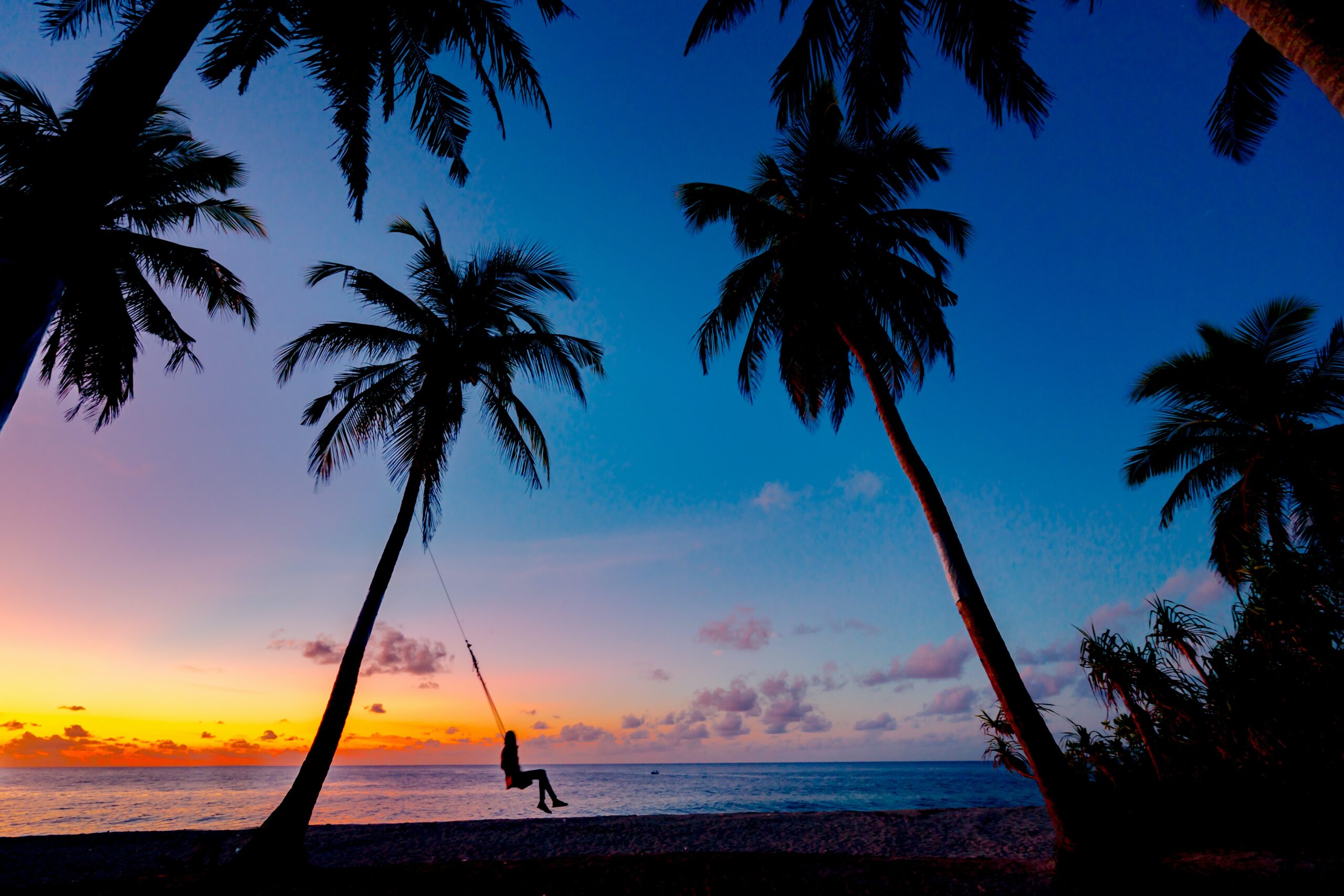
What Are the Environmental Regulations for Private Island Ownership
Understanding the Rules: Private Island Ownership and Environmental Regulations
Thinking about owning a private island? Before you embark on this unique journey, it’s crucial to be aware of the environmental regulations that come with it. Owning a slice of paradise comes with responsibilities, including adhering to specific rules designed to protect the delicate ecosystems of these pristine environments. In this guide, we’ll walk you through the essential information you need to know about the environmental regulations associated with private island ownership. Whether you’re a potential buyer or simply curious about the topic, read on to discover how these regulations play a vital role in preserving the natural beauty of these secluded havens.
Table of Contents
- Understanding Environmental Regulations for Private Island Ownership
- Exploring the Legal Framework: Environmental Regulations and Private Islands
- Impacts of Private Island Ownership on Ecosystems and Biodiversity
- Strategies for Sustainable Development and Conservation on Private Islands
- Key Environmental Compliance Measures for Private Island Owners
- Navigating Environmental Challenges: Best Practices for Private Island Stewardship
- FAQs
- Concluding Remarks
Understanding Environmental Regulations for Private Island Ownership
Private island ownership may seem like a dream come true, offering an exclusive getaway in the midst of nature’s beauty. However, it is crucial to understand the environmental regulations that come with such ownership to ensure responsible stewardship of these pristine locations.
When it comes to private island ownership, there are a variety of environmental regulations that need to be considered. These regulations aim to protect the fragile ecosystems surrounding the island, safeguard the fauna and flora, and maintain the balance of the surrounding environment. It is essential to be aware of these regulations to avoid any legal issues and to promote sustainability on your private island.
Here are some key aspects to understand when it comes to environmental regulations for private island ownership:
– Conservation and preservation: Many private islands are home to unique and rare species, making it vital to protect and preserve their habitats. Regulations may require the implementation of conservation plans and practices, such as maintaining designated areas for wildlife protection and limiting human impact on sensitive ecosystems.
– Waste management: Proper waste disposal is crucial for maintaining the pristine state of your private island and the surrounding waters. You may need to adhere to regulations regarding waste treatment and disposal, which may involve implementing efficient recycling programs, composting organic waste, or using eco-friendly products to minimize pollution and negative impacts on the environment.
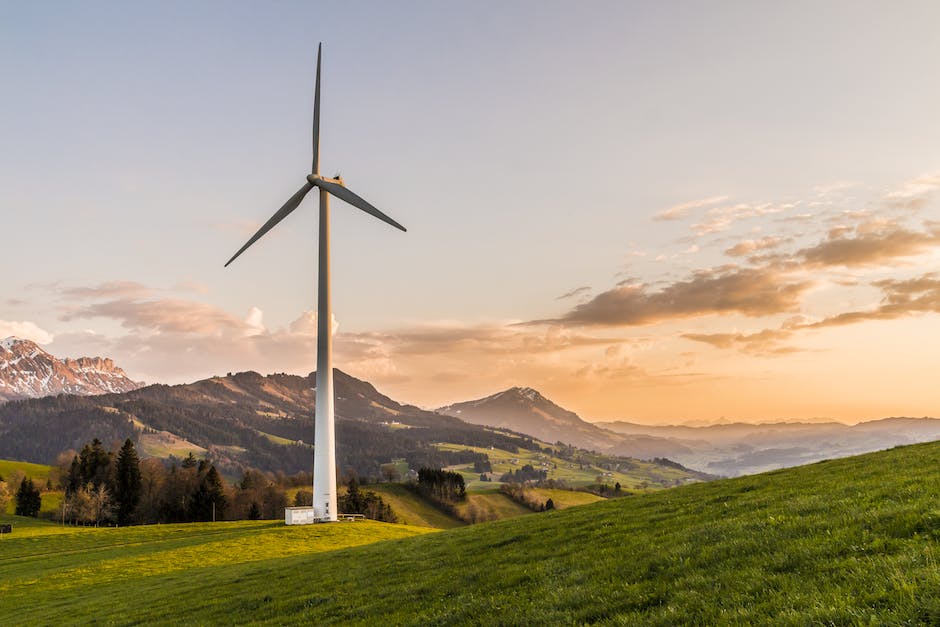
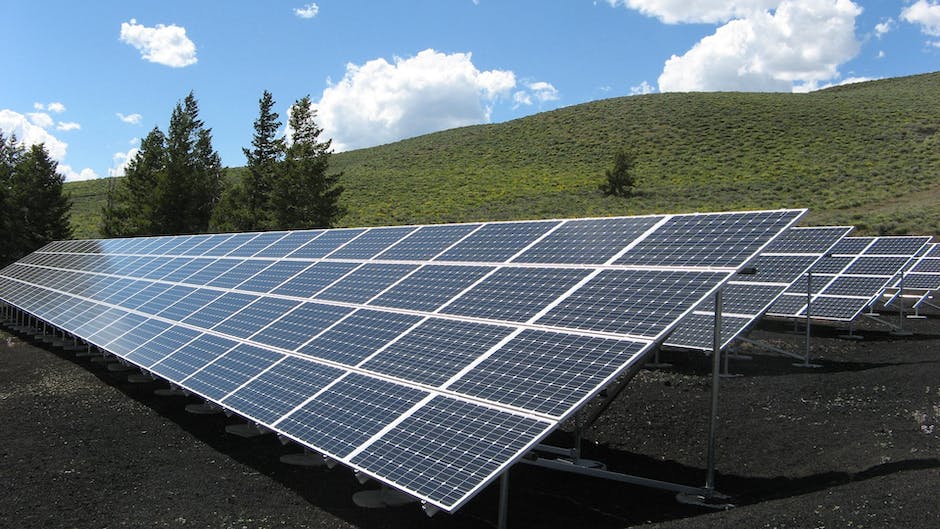
– Energy usage: Considering the impact of energy consumption is another crucial aspect of environmental regulations. This may involve using renewable energy sources like solar panels or wind turbines, reducing overall energy consumption through energy-efficient appliances and practices, and exploring sustainable alternatives for power generation.
– Coastal protection: Private islands are often situated along coastlines, making coastal protection regulations an important consideration. This may involve measures to prevent erosion, protect coral reefs, or manage beachfront development to ensure the long-term health and resilience of the island’s shoreline.
Being knowledgeable and compliant with environmental regulations is not only a legal requirement but also a moral obligation as a private island owner. By understanding and embracing these regulations, you can contribute to the preservation of your island’s unique ecosystem and ensure that future generations can enjoy the natural wonders your private sanctuary has to offer.
Exploring the Legal Framework: Environmental Regulations and Private Islands
When it comes to private islands, understanding the legal framework surrounding environmental regulations is key. These pristine pieces of land may offer unparalleled luxury and serenity, but they also fall within the purview of various environmental laws aimed at preserving and protecting our delicate ecosystems. With increasing concerns about climate change and sustainable development, the legal landscape surrounding private island ownership has evolved significantly.
First and foremost, it is important to note that the rules and regulations concerning private islands can vary widely depending on the jurisdiction they belong to. While some countries have stringent environmental requirements, others may have more relaxed laws. Nonetheless, there are certain common environmental considerations that often come into play when owning or developing a private island:
- Conservation and preservation: Many countries enforce strict regulations to protect endangered species, fragile habitats, and biodiversity on private islands. Owners may be required to comply with preservation plans and obtain permits for any development or renovation activities on the island.
- Coastal zone management: Given the vulnerability of coastal areas to erosion and sea-level rise, coastal zone management laws are frequently in place. These laws may regulate activities such as construction, shoreline modifications, and beach nourishment to promote sustainable coastal development.
- Waste management: Proper waste management is crucial for maintaining the ecological balance of private islands. It often involves adhering to waste disposal regulations, recycling initiatives, and implementing sustainable practices to reduce the environmental impact caused by human activities.
- Water and air quality: Maintaining high water and air quality standards is imperative on private islands. Adherence to regulations regarding wastewater treatment, stormwater runoff, emissions from energy production, and ensuring the absence of pollutants is essential.
These are just a few of the many environmental regulations that may apply to private islands. Understanding and complying with these legal requirements is not only ethically essential but also crucial for long-term sustainability. Therefore, before embarking on a private island venture, it is imperative to seek professional advice and familiarize oneself with the legal framework governing environmental regulations to ensure responsible ownership and stewardship of these pristine havens.
Impacts of Private Island Ownership on Ecosystems and Biodiversity
Private island ownership can have profound impacts on ecosystems and biodiversity, shaping the delicate balance of our natural world in unexpected ways. By delving into the realm of exclusive islands, we inevitably find an array of ecological changes that unfold alongside human intervention.
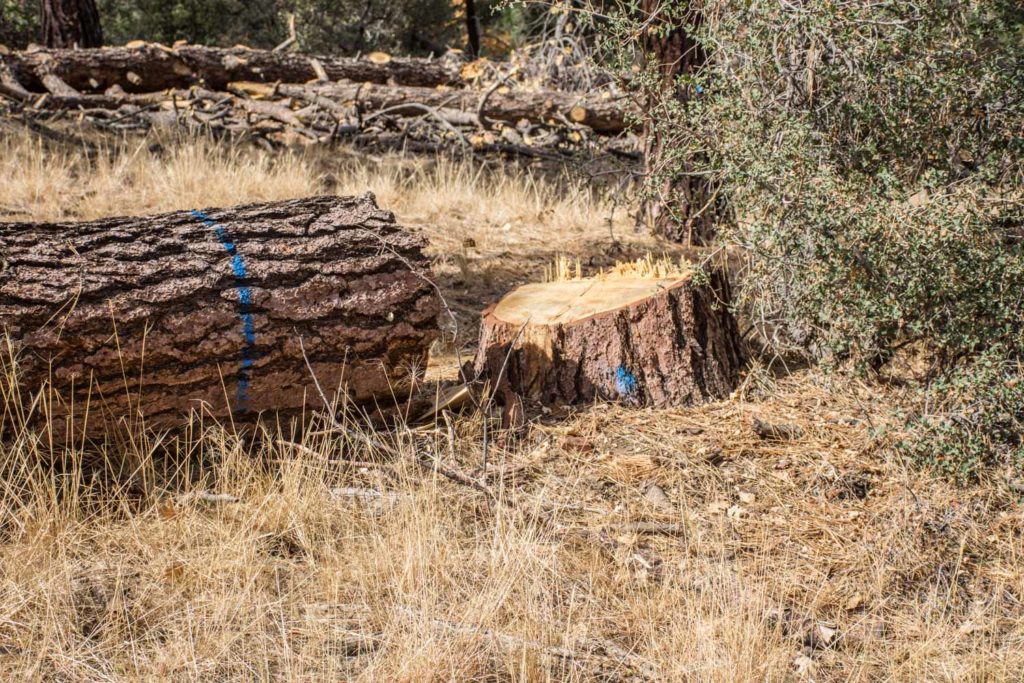
Firstly, the introduction of private ownership often leads to modifications in land use and development practices that can disrupt the once-pristine habitats. Construction of luxurious infrastructure such as villas, resorts, and marinas may result in deforestation, alteration of shorelines, and destruction of delicate ecosystems like coral reefs or mangroves. These alterations not only diminish the aesthetic appeal of the islands but also threaten the habitats of countless plant and animal species, driving them towards endangerment or even extinction.
Strategies for Sustainable Development and Conservation on Private Islands
Private islands offer a unique opportunity for sustainable development and conservation, allowing owners to make a positive impact on both the environment and the surrounding community. By implementing effective strategies, these secluded paradises can thrive while protecting their natural beauty. One crucial aspect of sustainable development on private islands is the careful management of resources. Investing in renewable energy sources such as solar panels and wind turbines can not only reduce the carbon footprint but also provide a reliable and cost-effective energy solution. Additionally, implementing efficient water management systems like rainwater harvesting and greywater recycling can help conserve this precious resource.
Conservation efforts on private islands play a vital role in preserving the diverse ecosystems that make these retreats so enchanting. Creating protected areas plays a crucial role in safeguarding sensitive habitats and allowing wildlife to flourish undisturbed. This can be achieved through the establishment of marine protected areas or nature reserves on the island. These areas serve as a refuge for endangered species, and through responsible ecotourism, visitors can experience the island’s natural wonders while contributing to conservation efforts. Furthermore, engaging in reforestation initiatives by planting native trees ensures the preservation of the island’s biodiversity and contributes to carbon sequestration, mitigating climate change. By embracing these strategies, private islands can serve as exemplary models of sustainable development and conservation, where the harmony between human presence and the natural world thrives.
Key Environmental Compliance Measures for Private Island Owners
As a private island owner, it is crucial to embrace responsible practices to protect the precious ecosystems that surround your paradise. By implementing the following key environmental compliance measures, you can ensure the preservation and sustainability of your island:
- Waste Management: Establish a comprehensive waste management system that includes proper segregation, recycling, and safe disposal methods for different types of waste. Encourage your staff and visitors to minimize waste production and educate them on the importance of proper waste management.
- Energy Efficiency: Reduce your island’s carbon footprint by adopting energy-efficient solutions. Install solar panels for renewable energy generation, use LED lighting to minimize electricity consumption, and implement smart energy systems to optimize energy usage across the island.
- Water Conservation: Implement water conservation strategies such as rainwater harvesting, low-flow fixtures, and ensuring efficient irrigation systems. Educate visitors and staff about the importance of water conservation, and encourage responsible usage throughout the island.
- Protecting Biodiversity: Create protected areas or nature reserves on your island to safeguard the diverse flora and fauna. Implement measures to control the introduction of invasive species and advocate for the conservation of vulnerable or endangered species in your region.
By adhering to these environmental compliance measures, you can not only preserve the natural beauty of your private island but also contribute positively to global conservation efforts. Together, let’s make environmental stewardship a priority for private island owners worldwide.
Navigating Environmental Challenges: Best Practices for Private Island Stewardship
Managing a private island comes with a great responsibility to preserve its natural beauty and protect its delicate ecosystem. With ever-increasing environmental challenges, it is crucial for private island owners to adopt best practices in stewardship. Here, we present some essential strategies and practical tips to navigate these challenges:
1. Sustainable Energy: Promote the use of renewable energy sources such as solar or wind power to minimize the carbon footprint and reduce reliance on fossil fuels. Implementing energy-efficient technologies and practices will not only reduce costs but also help preserve the island’s pristine environment.
2. Waste Management: Establish an effective waste management system that includes recycling, composting, and responsible disposal of hazardous materials. Encourage guests and staff to reduce waste generation and participate in recycling programs. Adopt eco-friendly packaging solutions to minimize the impact on the island’s ecosystem.
3. Conservation Efforts: Protecting and restoring natural habitats should be a top priority. Collaborate with local conservation organizations to develop and implement land conservation plans. Preserve biodiversity by enforcing strict regulations against invasive species introduction and ensuring responsible fishing practices.
4. Water Conservation: Implement water-saving measures such as installing efficient irrigation systems, encouraging guests to conserve water, and collecting rainwater for non-potable use. Raising awareness about the importance of water conservation among visitors will contribute to the long-term sustainability of the island.
5. Education and Outreach: Conduct educational programs and workshops for guests, staff, and local communities to raise awareness about environmental stewardship. Promote responsible tourism practices and ensure that everyone understands the significance of preserving the island’s natural resources for future generations.
By implementing these best practices for private island stewardship, we can effectively address the environmental challenges that arise and create a sustainable and harmonious coexistence with nature. Remember, the key lies in constant vigilance, collaboration, and a commitment to preserving our precious private island paradises.
FAQs
Q: What are the environmental regulations for private island ownership?
A: Private island owners must adhere to specific environmental regulations to protect the surrounding ecosystem and preserve natural resources. These regulations aim to ensure sustainable and responsible island management.
Q: Why do private island owners need to follow environmental regulations?
A: Environmental regulations are crucial to prevent any negative impact on the environment caused by private island development or activities. They safeguard the ecological balance and preserve the unique natural features of the island for future generations.
Q: What are some common environmental regulations for private island ownership?
A: Common regulations often include restrictions on construction, waste management, pollution control, ecosystem protection, and biodiversity conservation. Specific requirements may vary depending on the location and local laws.
Q: Can private island owners build structures on their property?
A: Yes, but usually there are guidelines and restrictions concerning the size, location, and design of structures. These rules aim to minimize the visual impact on the environment and respect the natural landscape.
Q: Are there regulations regarding waste management on private islands?
A: Absolutely. Private island owners are typically required to implement proper waste management systems, including recycling and safe disposal methods. This prevents environmental pollution and helps maintain the island’s pristine condition.
Q: How do environmental regulations address pollution control?
A: Regulations often enforce the use of environmentally friendly practices and technologies, such as treating wastewater and minimizing chemical usage. This helps prevent pollution and maintain the island’s water quality and surrounding marine ecosystem.
Q: Do environmental regulations cover protection of ecosystems and wildlife?
A: Certainly! Regulations typically include provisions to protect fragile ecosystems, wildlife habitats, and endangered species. These measures promote the preservation and restoration of native flora and fauna.
Q: How do environmental regulations promote biodiversity conservation?
A: Regulations often encourage private island owners to undertake conservation initiatives, such as reforestation programs or supporting research on local biodiversity. This helps protect the island’s unique ecosystem and prevents the loss of valuable species.
Q: What happens if private island owners don’t comply with environmental regulations?
A: Non-compliance can result in penalties, fines, or legal action. Authorities may also impose restrictions on further development until the owner rectifies any environmental damage or violations.
Q: Where can private island owners find information about specific environmental regulations?
A: Private island owners can consult local environmental agencies, government websites, or seek legal advice to obtain accurate and up-to-date information regarding the environmental regulations applicable to their specific location.
Closing Remarks
In conclusion, understanding the environmental regulations for private island ownership is crucial for ensuring sustainable development and protection of natural resources. Private island owners carry the responsibility of preserving the delicate ecosystems and wildlife habitats that these islands offer. By adhering to regulations such as waste management, construction guidelines, and protection of endangered species, owners can contribute towards maintaining the beauty and integrity of these unique natural spaces. It is only through responsible ownership and conservation efforts that private islands can continue to thrive for generations to come. So, if you dream of owning your own piece of paradise, remember to always respect and honor the environment that comes with it.