
Why Is Hong Kong House So Expensive
Hong Kong, a bustling concrete jungle characterized by towering skyscrapers and a fusion of Eastern and Western influences, has long captured the fascination of locals and wanderlust-driven travelers alike. However, beneath the city’s vibrant facade lies a harsh reality: the exorbitant cost of housing. This article delves into the perplexing question that consistently perplexes both residents and outsiders: Why is Hong Kong house so expensive? Cutting through the noise and avoiding unnecessary embellishment, we delve into the factors that contribute to this daunting reality, unfurling the intricate tapestry of Hong Kong’s housing market.
Table of Contents
- 1. Skyrocketing Market: Unpacking the Factors behind Hong Kong’s Exorbitant House Prices
- 2. Urban Density and Limited Land: The Key Elements Contributing to Hong Kong’s Housing Crunch
- 3. Government Policies and Regulations: Analyzing Their Impact on Hong Kong’s Property Market
- 4. Foreign Investment and Speculation: Uncovering the Role of Overseas Buyers in Driving Up House Prices
- 5. Affordability Crisis: Exploring the Implications of Hong Kong’s Expensive Housing Market on Residents
- 6. Charting the Path: Potential Solutions to Alleviate Hong Kong’s Housing Affordability Challenge
- FAQs
- To Conclude
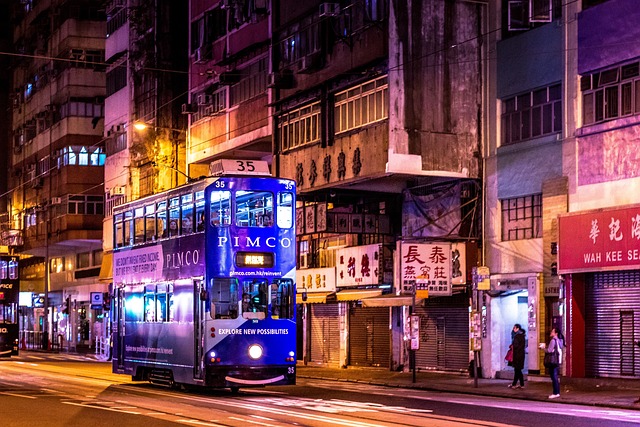
1. Skyrocketing Market: Unpacking the Factors behind Hong Kong’s Exorbitant House Prices
In this section, we will delve into the various factors that have contributed to the astonishing rise in house prices in Hong Kong. Understanding these elements will shed light on why the real estate market in this bustling city has reached such sky-high levels. Let’s break down the key drivers of Hong Kong’s exorbitant housing costs:
- The limited supply of land: Hong Kong is an incredibly dense city with limited available land for development. This scarcity drives up competition for the limited housing units, resulting in a substantial increase in prices.
- Population growth: With a continually growing population and limited land, demand for housing has surged. The ever-increasing number of residents, combined with an influx of overseas buyers, has further intensified the housing market frenzy.
- Foreign investment: Hong Kong has long been an attractive destination for foreign investors, who view the city as a stable and lucrative real estate market. This substantial influx of foreign funds has significantly influenced the skyrocketing prices.
In addition to these factors, other noteworthy elements contributing to the exorbitant house prices include:
- Economic prosperity: Hong Kong’s strong economy and reputation as a global financial hub have attracted high-earning individuals, resulting in increased demand for luxury properties and driving up overall housing prices.
- Low interest rates: Favorable interest rates have made borrowing more affordable, enticing buyers to enter the market and driving up competition for properties.
By unpacking these factors, we gain a clearer understanding of the complex dynamics behind Hong Kong’s exorbitant house prices. The convergence of limited land supply, population growth, foreign investment, economic prosperity, and low interest rates has created an unprecedented surge in the real estate market, making home ownership a challenging feat for many in this bustling metropolis.
2. Urban Density and Limited Land: The Key Elements Contributing to Hong Kong’s Housing Crunch
Urban Density and Limited Land are the two fundamental factors causing Hong Kong’s housing crisis. The city’s astonishing population density and its scarcity of available land have created a pressing challenge for meeting the housing demands of its residents. Let’s delve into these key elements to understand their impact better.
Urban Density: Hong Kong boasts one of the highest population densities in the world, with millions of people residing in a limited urban area. The sheer number of inhabitants leads to intense competition for housing, driving up prices and making it increasingly difficult for individuals to afford suitable accommodations. The overwhelming demand for housing further exacerbates the scarcity of available options, which in turn perpetuates the housing crunch. As a result, finding affordable and spacious housing within the crowded cityscape becomes an arduous task for many residents.
Limited Land: Hong Kong grapples with a scarcity of available land, primarily due to its small geographical size. With limited land resources, the city faces challenges in providing adequate housing that meets the needs of its growing population. The constrained space forces the construction of high-rise residential buildings, stacked upon each other to maximize land usage. However, this high-rise approach contributes to the cramped living conditions experienced by many residents, leading to a lack of privacy and limited living space for families. The limited availability of land also restricts the development of new housing projects, perpetuating the housing shortage and putting further strain on the already overburdened housing sector of Hong Kong.
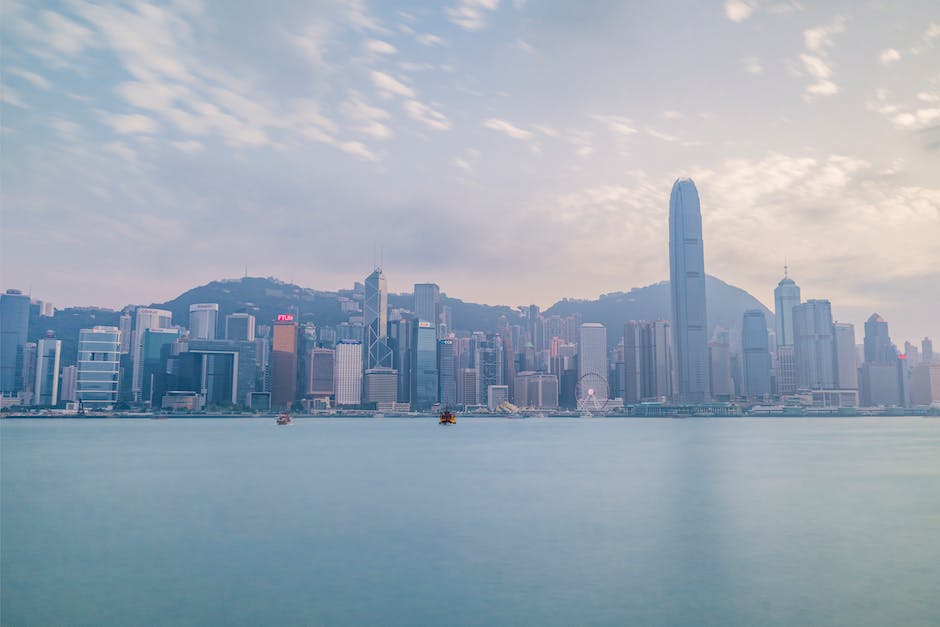
3. Government Policies and Regulations: Analyzing Their Impact on Hong Kong’s Property Market
In this section, we will delve into the intricate relationship between government policies and regulations and the impact they have on Hong Kong’s property market. These policies play a pivotal role in shaping the landscape of the real estate industry and influencing the behavior of buyers, sellers, and investors. Let’s explore some key aspects and effects of these policies and regulations:
1. Stamp Duty Measures: The government has implemented a series of stamp duty measures to control the property market. These measures include an increased stamp duty rate for residential and commercial properties, as well as additional stamp duties for non-local buyers. The intention behind these policies is to curb speculation, stabilize prices, and promote affordable housing options.
2. Land Supply Policies: Hong Kong faces limited land resources, which puts upward pressure on property prices. To address this issue, the government has implemented various land supply policies. These policies aim to increase the availability of land for development by rezoning existing areas, developing new towns, and reclaiming land. By boosting the supply of land, the government hopes to alleviate the shortage and make housing more accessible.
3. Housing Affordability Measures: The government has introduced several initiatives to make housing more affordable for the general public. These measures include the implementation of housing schemes such as the Home Ownership Scheme (HOS) and the Starter Homes scheme (SHS). These programs aim to provide subsidized housing options for eligible citizens and promote homeownership among the population.
The impact of government policies and regulations on Hong Kong’s property market is multi-faceted. While some measures seek to stabilize prices and promote affordability, others aim to address issues of land shortage and speculation. Understanding these policies and their effects is crucial for all stakeholders in the property market to navigate the ever-evolving landscape in Hong Kong.
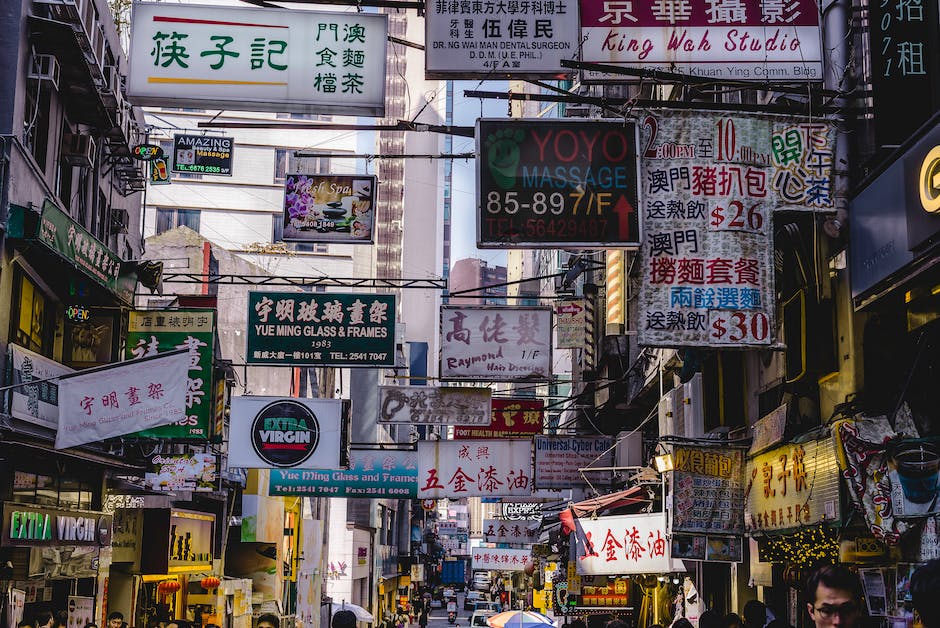
4. Foreign Investment and Speculation: Uncovering the Role of Overseas Buyers in Driving Up House Prices
When it comes to the housing market, foreign investment and speculation have long been subjects of interest and debate. In this section, we delve into the significant impact that overseas buyers have on driving up house prices, shedding light on the complexities of this phenomenon.
Uncovering the true role of foreign investment and speculation is crucial for understanding the dynamics of the housing market. Here are some key points to consider:
- Market Demand: Overseas buyers contribute to increased demand for housing, which, in turn, exerts upward pressure on prices. Their ability to invest in properties leads to competition among buyers, often surpassing the financial capabilities of local residents.
- Supply and Demand Imbalance: The influx of foreign investment frequently outpaces the supply of available housing, creating an imbalance that drives prices even higher. As a result, housing becomes less affordable for many local residents, causing concerns about affordability and social equity.
- Investment Opportunities: Foreign buyers often view real estate in certain markets as attractive investment opportunities, capitalizing on rising property values. However, this trend can further contribute to inflated prices and may hinder the accessibility of housing for genuine owner-occupiers.
- Speculation and Flipping: Overseas buyers sometimes engage in speculative practices, purchasing properties with the intention of quickly reselling them for profit. This behavior can exacerbate price increases and market volatility, ultimately impacting the stability of the housing market.
By examining these factors, we gain a deeper understanding of how foreign investment and speculation play a pivotal role in the continuous rise of house prices. It is essential to strike a balance that encourages healthy market activity while preserving local affordability and ensuring fair access to housing for all residents.
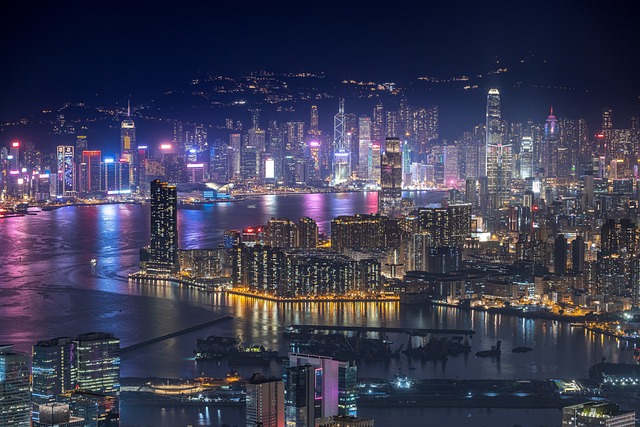
5. Affordability Crisis: Exploring the Implications of Hong Kong’s Expensive Housing Market on Residents
In recent years, Hong Kong has experienced an alarming rise in housing prices, resulting in a severe affordability crisis for its residents. This has far-reaching implications and has sparked concerns about the overall well-being and quality of life for individuals and families in the city.
Firstly, the exorbitant prices of housing have made it increasingly difficult for the average Hong Kong resident to afford a decent home. With skyrocketing property values, many find themselves unable to enter the housing market or forced to settle for smaller, substandard accommodations.
Secondly, the exorbitant cost of housing creates a ripple effect on other aspects of daily life for residents. Let’s explore some key implications:
- Financial burden: High housing costs eat into people’s income, leaving little room for saving or investing, ultimately hindering overall economic growth and financial prosperity.
- Inequality: The housing crisis perpetuates societal inequality, as it widens the gap between the wealthy few who can afford lavish properties and the majority who struggle to secure affordable housing.
- Migration: Rising housing prices may lead to a significant outflux of skilled professionals and young talent, seeking more affordable options elsewhere, resulting in brain drain and potential negative impacts on Hong Kong’s development.
- Psychological stress: Constantly worrying about housing costs and living in uncertain conditions can take a toll on individuals’ mental health, contributing to stress and anxiety.
These implications highlight the urgency of addressing the affordability crisis in Hong Kong’s housing market, as it not only affects individual homeownership but also has far-reaching consequences for the entire community.
6. Charting the Path: Potential Solutions to Alleviate Hong Kong’s Housing Affordability Challenge
In order to address the pressing issue of housing affordability in Hong Kong, several potential solutions can be explored:
- Increasing the housing supply: One of the most crucial steps is to ramp up the construction of affordable housing units. This would involve identifying suitable areas for development, streamlining the planning permission process, and incentivizing builders to prioritize affordable housing projects. By expanding the housing supply, the demand and prices can be more effectively balanced.
- Introducing rental controls: Implementing rent control measures can help stabilize rental prices, especially in high-demand areas. This could involve capping annual rent increases, setting affordable rent ceilings, and ensuring tenants’ rights are protected. By providing greater security and affordability in the rental market, it would alleviate the burden on those who cannot afford to purchase a property.
- Encouraging public-private partnerships: Collaborations between the government and private developers can be fostered to create more affordable housing options. This could take the form of joint ventures where developers receive concessions for incorporating affordable units in their developments. By leveraging the expertise and resources of both sectors, a larger number of affordable homes could be made available.
- Improving financial assistance programs: Enhancing existing support schemes and introducing new ones could assist low-income families in accessing affordable housing. This could include providing subsidies or low-interest loans for first-time homebuyers, expanding rental assistance programs, and offering tax incentives for developers who focus on affordable housing projects. By making housing more financially attainable, it would alleviate the burden on vulnerable populations.
While these potential solutions offer a starting point, it is essential to evaluate their feasibility, cost-effectiveness, and long-term sustainability. A multi-faceted approach may be necessary, combining multiple solutions to comprehensively tackle Hong Kong’s housing affordability challenge and improve the living conditions of its residents.
FAQs
Q: What is the reason behind the high prices of houses in Hong Kong?
A: Houses in Hong Kong are expensive due to the limited land supply and overwhelming demand.
Q: Why is there a limited land supply in Hong Kong?
A: Hong Kong is a small and densely populated city with limited available land, making it challenging to meet the housing needs of its citizens.
Q: How does overwhelming demand impact house prices in Hong Kong?
A: The demand for housing in Hong Kong surpasses the available supply, resulting in fierce competition and inflated prices.
Q: Is the high cost of houses in Hong Kong a recent phenomenon?
A: No, the housing market in Hong Kong has been consistently expensive for a long time, driven by factors such as economic growth and population increase.
Q: What are the main factors contributing to the high demand for houses in Hong Kong?
A: Factors such as a robust economy, infrastructural development, favorable government policies, attractive investment opportunities, and an influx of migrants all contribute to the high demand for houses in Hong Kong.
Q: How does government policy play a role in the high house prices?
A: Government policies like low interest rates, limited property taxes, and relaxed regulations on property purchases attract local and international investors, increasing demand and consequently driving up house prices.
Q: Are there any foreign investors influencing the housing market in Hong Kong?
A: Yes, foreign investors play a significant role in the Hong Kong housing market as they perceive it as a secure investment option, thereby driving up prices.
Q: How does the high cost of houses impact the residents of Hong Kong?
A: The high cost of housing in Hong Kong puts immense financial pressure on residents, making homeownership difficult and forcing many to live in inadequate or shared living spaces.
Q: Are there any government measures to address the issue?
A: The Hong Kong government has implemented various measures over the years, including increasing land supply, imposing cooling measures, and regulating property purchases by non-residents. However, the impact of these measures on house prices has been limited.
Q: Can we expect any improvement in the housing situation in Hong Kong in the future?
A: Solving the housing crisis in Hong Kong requires a comprehensive approach, including increasing land supply, implementing effective government policies, and addressing the underlying economic and social factors. While some improvements have been made, it is an ongoing challenge with no immediate resolution in sight.
Please note that the information provided here is a general overview, and all readers are advised to refer to relevant authorities and experts for detailed and up-to-date information.
In Retrospect
In conclusion, the soaring prices of houses in Hong Kong can be attributed to a myriad of factors. The intense demand for limited housing units, coupled with an influx of foreign investors and strict land regulations, has created a perfect storm for skyrocketing prices. Residents and potential buyers face an uphill battle when trying to secure a home in this competitive market. While the government has implemented various measures to address the issue, it seems that affordable housing in Hong Kong remains a distant dream for many. As the city continues to thrive economically, the strain on housing supply is likely to persist, making it increasingly challenging for ordinary citizens to find affordable homes.