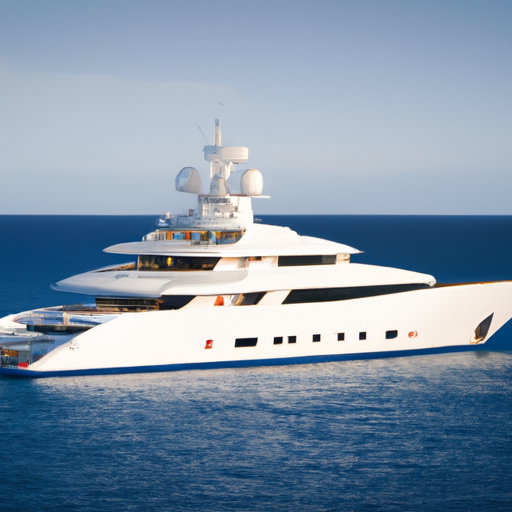
How Much Fuel Does Yacht Use
How much fuel does a yacht use? It’s a simple question with a not-so-simple answer. As glamorous as yachts may appear, they are not exactly known for their fuel efficiency. In this article, we will dive into the world of yachts and uncover the truth behind their insatiable appetite for fuel. Brace yourself for a fascinating exploration into the fuel consumption of these luxury vessels, revealing both the awe-inspiring numbers and the environmental implications. So, hop aboard as we shed light on this burning question: just how much fuel does a yacht consume?
Table of Contents
- The Fuel Efficiency of Yachts: Understanding Consumption and Factors Influencing Usage
- Unveiling the Economical Side: Tips to Optimize Yacht Fuel Efficiency
- An In-Depth Analysis: Factors Affecting Fuel Consumption on Yachts
- Navigating Fuel Usage: Best Practices for Minimizing Yacht Fuel Consumption
- Eco-Friendly Alternatives: Exploring Sustainable Fuel Options for Yachts
- Striking the Balance: Recommendations to Achieve Optimal Fuel Efficiency on Yachts
- FAQs
- In Retrospect
The Fuel Efficiency of Yachts: Understanding Consumption and Factors Influencing Usage
When it comes to yachts, fuel efficiency is a crucial consideration for both boat owners and enthusiasts. Understanding the factors that influence fuel consumption can help enthusiasts make informed decisions about their usage.
Several factors play a role in determining the fuel efficiency of yachts:
- 1. Boat Size: The size and weight of a yacht directly impact fuel consumption. Generally, larger yachts require more fuel to propel due to their increased weight.
- 2. Engine Type and Power: The type and power of the engine used in a yacht significantly affect fuel efficiency. Yachts with modern engines that incorporate advanced technologies tend to consume less fuel.
- 3. Speed: The speed at which a yacht is operated is a critical factor influencing fuel consumption. Higher speeds typically result in increased fuel usage, whereas cruising at lower speeds can enhance fuel efficiency.
- 4. Wind and Sea Conditions: Environmental variables such as wind and sea conditions greatly impact fuel efficiency. Rough seas and strong headwinds can increase fuel consumption, while favorable conditions contribute to better fuel efficiency.
By understanding these influential factors, yacht owners can make informed decisions to optimize their fuel usage and maintain cost-effective operations.
Unveiling the Economical Side: Tips to Optimize Yacht Fuel Efficiency
When it comes to cruising on a yacht, fuel efficiency can play a significant role in determining the overall cost and satisfaction of your journey. To ensure you get the most out of every drop of fuel, here are some valuable tips that will help optimize your yacht’s fuel efficiency:
- Choose the right propellers: Investing in the right propellers can have a drastic impact on fuel consumption. Make sure to select propellers that are specifically designed for fuel efficiency, taking into consideration factors such as size, blade geometry, and pitch.
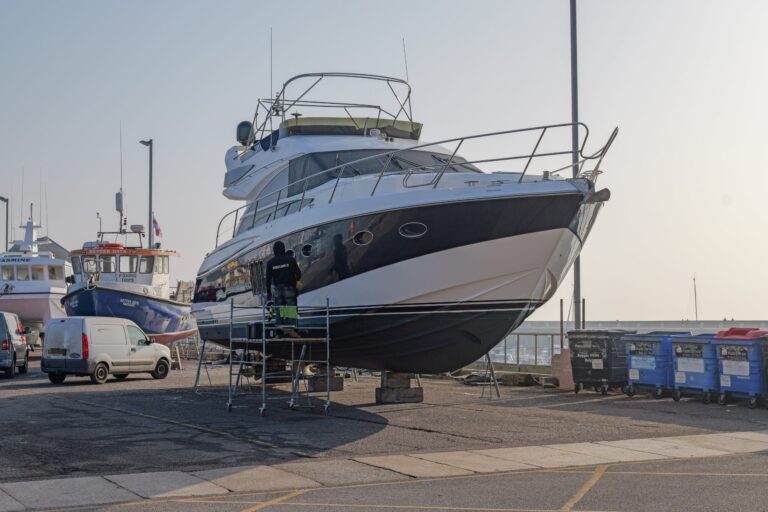
- Maintain a proper hull condition: A fouled hull can increase drag, resulting in higher fuel consumption. Regularly inspect and clean the hull to keep it free from marine growth, barnacles, and other debris that can hinder smooth sailing.
- Monitor and control speed: The speed at which you sail significantly affects fuel consumption. Sail at an optimal speed that balances your desired journey time with fuel efficiency. Cruising too fast can lead to excessive fuel burn, while going too slow may also result in increased fuel consumption.
- Manage your weight: Just like any vehicle, excessive weight on a yacht can negatively impact its fuel efficiency. Be mindful of the items and equipment you bring on board and avoid unnecessary clutter. Lightening the load can go a long way in optimizing fuel consumption.
These straightforward yet effective tips will help unlock the economical side of your yacht journey. By optimizing fuel efficiency, not only will you be able to save on costs, but you’ll also enhance your overall sailing experience. So, implement these tips and get ready to make the most out of your next yacht adventure!

An In-Depth Analysis: Factors Affecting Fuel Consumption on Yachts
Fuel consumption on yachts is influenced by several key factors that deserve a closer examination. Understanding these factors is crucial for yacht owners, operators, and enthusiasts alike. In this in-depth analysis, we delve into the key elements that can affect the fuel efficiency of yachts, providing valuable insights for optimizing consumption and reducing environmental impact.
One significant factor that impacts fuel consumption is the size and weight of the yacht. Larger yachts tend to require more fuel due to their increased size and weight, resulting in higher resistance against water. Additionally, the hull design plays a crucial role. Yachts designed with a streamlined hull experience less drag, allowing them to glide smoothly through water without excessive energy expenditure.
Furthermore, the engine type and maintenance practices can significantly influence fuel consumption on yachts. Modern engines equipped with advanced technologies, such as electronic fuel injection systems, tend to be more fuel-efficient compared to older, less efficient models. Routine engine maintenance, including regular oil changes and clean fuel filters, can also contribute to better fuel economy.
Another important consideration is the cruising speed. Yachts that operate at higher speeds tend to consume more fuel. Therefore, maintaining a moderate cruising speed can lead to noticeable fuel savings. Additionally, the choice of navigation routes can impact fuel consumption. Avoiding areas with strong currents or planning efficient routes that take advantage of favorable winds can help optimize fuel usage during voyages.
Lastly, the onboard equipment and energy usage should not be overlooked. Yachts often have various electrical devices and amenities that draw power from the fuel reserves. Ensuring efficient energy management and using energy-saving appliances can reduce the overall fuel consumption aboard a yacht.
Navigating Fuel Usage: Best Practices for Minimizing Yacht Fuel Consumption
When it comes to fuel consumption on a yacht, implementing best practices can make a significant difference in both efficiency and cost savings. Here are some practical tips to help you navigate fuel usage and minimize consumption:
- Optimize cruising speed: Finding the optimal speed not only ensures a smoother and more enjoyable journey but also reduces fuel consumption. Test different speeds to determine the most fuel-efficient one for your yacht.
- Regular maintenance: Keeping your yacht in excellent condition is crucial for fuel efficiency. Regularly service and maintain the engine, propellers, and other mechanical components to maximize performance and minimize fuel consumption.
- Reduce weight and drag: The lighter your yacht, the less fuel it will require. Remove unnecessary items and avoid excess baggage to reduce weight. Additionally, keep the hull clean and free from biofouling to reduce drag and enhance fuel efficiency.
- Plan efficient routes: Proper route planning can minimize both time and fuel consumption. Use nautical charts and consider weather conditions, tidal patterns, and currents to chart the most fuel-efficient path to your destination.
By adopting these best practices, you can make a significant impact on your yacht’s fuel consumption. Not only will you save money, but you’ll also contribute to a more environmentally-friendly approach to yachting. Keep in mind that these changes may require some adjustments, but the benefits they bring are undoubtedly worth it.
Eco-Friendly Alternatives: Exploring Sustainable Fuel Options for Yachts
In today’s world of increasing environmental awareness, finding sustainable fuel options for yachts has become a top priority for enthusiasts and industry professionals alike. The quest for eco-friendly alternatives has led to exciting breakthroughs that not only reduce carbon emissions but also ensure a smoother sailing experience.
One notable option gaining popularity is the use of biofuels. These renewable fuels are derived from organic materials such as algae, plant oils, and even recycled cooking oil. Biofuels offer a sustainable alternative to traditional fossil fuels, as they emit significantly lower greenhouse gas emissions and reduce the overall carbon footprint of yacht owners. Plus, they can be easily integrated into existing engine systems, making them a practical and accessible choice for those looking to embark on an eco-friendly voyage.
Another promising alternative is the utilization of hydrogen fuel cells. These futuristic power sources generate electricity by combining hydrogen and oxygen, emitting only water vapor as a byproduct. Hydrogen fuel cells provide yachts with a clean and efficient energy solution, offering longer ranges and quicker refueling times compared to traditional batteries. As the technology continues to improve, hydrogen fuel cells are becoming increasingly viable for sustainable yachting, presenting an exciting prospect for environmentally conscious sailors.
Striking the Balance: Recommendations to Achieve Optimal Fuel Efficiency on Yachts
In order to achieve optimal fuel efficiency on yachts, it is important to strike the right balance between various factors. Here are some recommendations that can help you maximize fuel efficiency and reduce costs without compromising on the luxury and comfort of your yacht:
- Upgrade to more fuel-efficient engines: Investing in modern, fuel-efficient engines can significantly improve the efficiency of your yacht. Consider upgrading to engines that are designed to consume less fuel while still delivering the power and performance you desire.
- Maintain a proper weight distribution: A well-balanced yacht ensures smoother sailing and improved fuel efficiency. Pay attention to weight distribution by evenly distributing supplies, equipment, and passengers across your vessel.
- Optimize cruising speed: Maintaining a consistent and optimal cruising speed can help conserve fuel. Avoid excessive acceleration or speed, and instead find the sweet spot where your yacht performs efficiently without wasting unnecessary fuel.
Additionally, taking steps to minimize drag, such as regular hull cleaning, using specialized anti-fouling coatings, and installing effective propellers, can further enhance fuel efficiency. Considering alternative energy sources, like solar panels or wind generators, for auxiliary power needs can also contribute to a greener and more fuel-efficient yacht. By implementing these recommendations, you can strike the perfect balance between fuel efficiency and luxury on your yacht, ultimately reducing costs and environmental impact.
FAQs
Q: How much fuel does a typical yacht consume?
A: The amount of fuel consumed by a yacht depends on various factors, such as its size, type, cruising speed, and navigation conditions. However, on average, yachts consume around 50-100 gallons of fuel per hour of cruising.
Q: Are there any specific types of yachts that consume less fuel?
A: Yes, smaller yachts with modern design features, like efficient hull designs and lightweight materials, tend to consume less fuel compared to larger, older yachts. Additionally, sailing yachts that rely on wind power use significantly less fuel.
Q: How does the cruising speed affect fuel consumption?
A: Fuel consumption increases significantly as the cruising speed of a yacht goes up. Yachts traveling at higher speeds require more power to overcome resistance, resulting in higher fuel consumption rates.
Q: What impact does the type of fuel have on consumption?
A: Yachts usually run on diesel fuel, which is less expensive and more fuel-efficient compared to gasoline. Despite their higher initial cost, diesel-powered yachts consume less fuel and are more economical in the long run.
Q: Are there any tips to reduce fuel consumption while cruising?
A: Yes, several strategies can help minimize fuel usage, such as maintaining proper engine and propeller maintenance, reducing unnecessary weight onboard, keeping the hull clean of marine growth, and adopting efficient navigation routes and techniques.
Q: How can I estimate the fuel cost for a yacht trip?
A: To estimate fuel costs, you should consider the distance to be covered, cruising speed, fuel consumption rate, and the current price of fuel. Multiplying the fuel consumption rate by the distance traveled and fuel price will give you an approximate fuel cost.
Q: How much does marine fuel cost?
A: Marine fuel prices vary depending on location and market conditions. However, as of (date), the average price ranges from $3.50 to $6.00 per gallon, depending on the type of fuel and geographical region.
Q: Can I save on fuel expenses by using alternative energy sources for a yacht?
A: Yes, emerging technologies in the yachting industry, such as hybrid propulsion systems, solar panels, and wind turbines, offer alternative energy sources that can reduce fuel consumption and operating costs. However, the initial investment for these systems is relatively high.
Q: Are fuel costs a significant consideration for yacht owners?
A: Yes, fuel costs constitute a substantial portion of the overall expenses for yacht owners. It is crucial for owners to factor in fuel consumption and costs when budgeting for regular maintenance, repairs, and cruising expenses.
Insights and Conclusions
In conclusion, understanding the fuel consumption of a yacht is crucial for both yacht owners and enthusiasts alike. By considering factors such as size, engine type, and speed, you can make informed decisions about fuel usage and budgeting. Remember, the bigger the yacht, the higher the fuel consumption. So, always keep efficiency in mind and embrace eco-friendly practices whenever possible. Whether you’re planning a leisurely cruise or embarking on an adventurous voyage, knowing how much fuel your yacht needs will help you sail smoothly towards your destination. So, plan wisely, keep an eye on your fuel gauge, and enjoy the journey ahead!