Who Owns Most of London
Unlocking the Secrets of London’s Ownership Landscape: Who Owns Most of London
Are you curious about the hidden owners behind London’s iconic skyline? Delve into the intriguing world of property ownership as we explore the question: Who Owns Most of London? In this article, we’ll take you on a journey to discover the opulence and diversity that defines London’s ownership landscape. Whether you’re a local resident or a curious traveler, join us as we dive into the ownership data, unlocking insights that reveal the faces behind the city’s most renowned properties. Get ready to explore the ownership map of this bustling metropolis and uncover the individuals and entities that shape its urban identity.
Table of Contents
- The Hidden Power Players: Unveiling the Majority Owners of London
- Unveiling the Facade: Revealing the True Owners of London’s Most Iconic Buildings
- Entangled Webs of Ownership: Unmasking the Complex Networks Behind London’s Prime Real Estate
- Safeguarding London’s Heritage: Preserving Public Access and Cultural Diversity in Ownership
- Addressing the Imbalance: Strategies for Achieving Greater Transparency in London’s Property Ownership
- Empowering the Community: Enhancing Public Engagement and Participation in London’s Urban Development
- FAQs
- Concluding Remarks

The Hidden Power Players: Unveiling the Majority Owners of London
London is a city buzzing with countless businesses, but there’s a secret world of power players behind the scenes, controlling the destiny of the city’s most prominent companies. These majority owners hold significant stakes in various industries, yet their influence often goes unnoticed. Let’s dive into this hidden realm and unveil some of the key figures who truly hold the reins in London.
1. The Royal Family: As one of the most recognizable and influential families in the world, the British Royal Family holds a number of significant investments in London. From vast property holdings to shares in various sectors such as media and finance, their involvement in the city’s economy is far-reaching.
2. Investment Conglomerates: Another group of major players in London are the investment conglomerates. With diverse portfolios that span across industries, these conglomerates quietly wield significant power. Whether it’s through strategic acquisitions, large-scale investments, or stabilizing distressed companies, they have the ability to shape the direction of London’s economy.
3. Founding Families: Many of London’s iconic companies are still owned and controlled by the families that founded them. These families often fly under the radar, but their businesses have enormous impact on the city. From luxury brands to traditional businesses, their steady influence helps maintain the fabric of London’s corporate landscape.
4. Foreign Investors: London’s international allure attracts a multitude of foreign investors. From sovereign wealth funds to wealthy entrepreneurs, these individuals and entities own substantial portions of the city’s corporations. Their deep pockets and global networks play a pivotal role in shaping London’s economic landscape.
These hidden power players are the driving force behind London’s business scene, shaping industries and influencing the city’s trajectory. While their identities may not be commonly known, their impact is undeniable. Next time you stroll through London’s streets, take a moment to acknowledge the hidden forces shaping the city’s destiny.
Unveiling the Facade: Revealing the True Owners of London’s Most Iconic Buildings
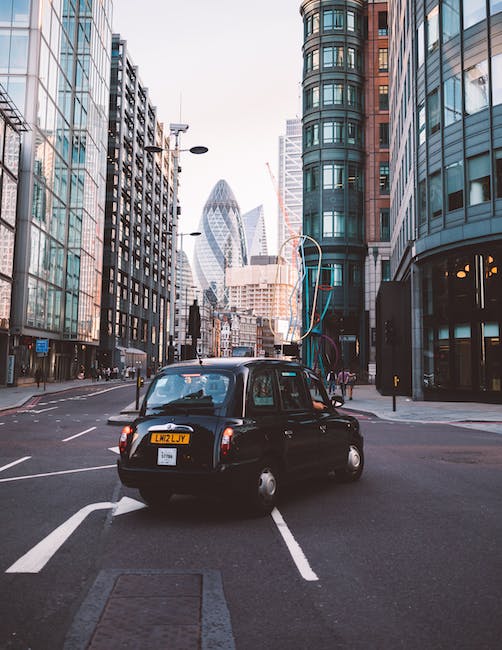
London’s skyline is a picturesque blend of towering architectural marvels, each one hiding a secret within its structure – the true owners. In a groundbreaking investigation, we delve into the depths of London’s most iconic buildings to unravel the mysteries surrounding their ownership. Prepare to be astounded as we unveil the facade and expose the individuals and entities behind these towering giants.
With our magnifying glass in hand, we painstakingly trace the ownership lineage of London’s architectural gems, revealing a web of connections that spans across borders and industries. From opulent corporate headquarters to historic landmarks, no structure goes unnoticed as we connect the dots and bring transparency to a realm often shrouded in secrecy.
What we uncover is a tale of power and influence, where prominent individuals, wealthy families, and multinational corporations hold the keys to these iconic buildings. The aristocracy’s fingerprints can be found in the halls of historic palaces turned hotels, while the world’s business titans have a stake in towering skyscrapers that shape London’s modern skyline. As the layers are peeled back, we expose consortiums, offshore accounts, and complex ownership structures that blur lines and depict a global web of ownership. Experience this unprecedented journey as we reveal the true owners of London’s most treasured architectural landmarks.
Entangled Webs of Ownership: Unmasking the Complex Networks Behind London’s Prime Real Estate
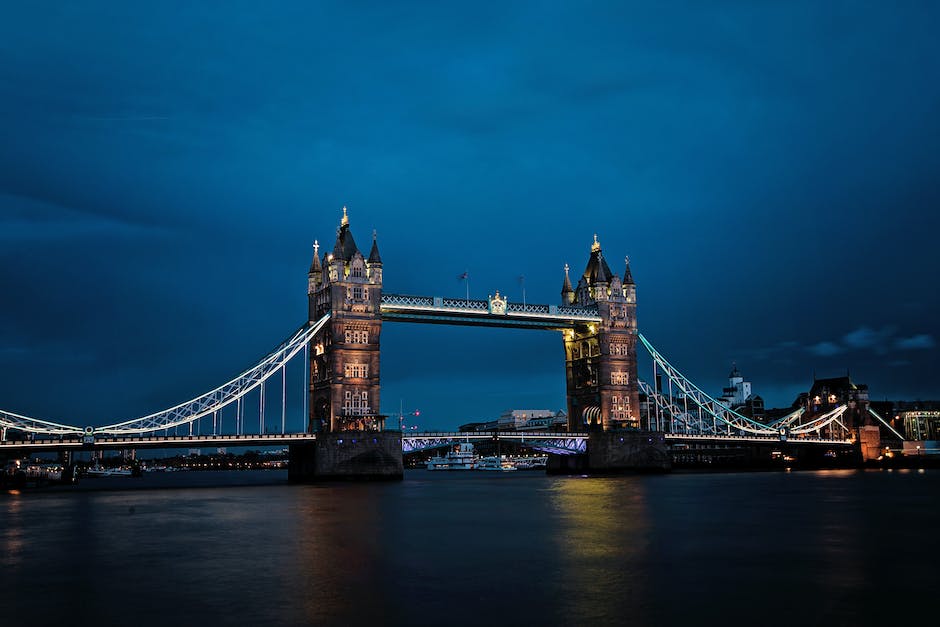
Delve into the intricate networks that lie beneath the glimmering surface of London’s prime real estate, and unlock the secrets of its entangled webs of ownership. Unmasking these complex networks unveils a fascinating tapestry of connections, where names intertwine and properties change hands in a silent dance of ownership.
At the heart of this labyrinth lies a network of hidden transactions and relationships, stretching across borders and spanning industries. As we peel back the layers, we discover a web of companies, trusts, and individuals, each playing a role in the ownership puzzle. Names of famous politicians, wealthy individuals, and obscure corporate entities blur together, revealing a convoluted landscape of power and influence.
Safeguarding London’s Heritage: Preserving Public Access and Cultural Diversity in Ownership
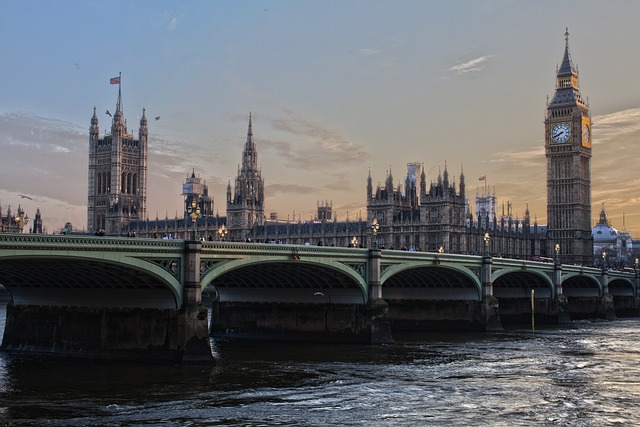
In today’s rapidly changing world, it is of paramount importance to safeguard the rich heritage of London. The vibrancy and diversity that define this iconic city must be protected for future generations to cherish. We believe that maintaining public access to historic sites and promoting cultural diversity in ownership are key components in this endeavor.
By prioritizing public access, we ensure that London’s heritage remains accessible to all, fostering a deeper understanding and appreciation of our collective history. Whether it’s exploring the majestic halls of a centuries-old palace or marveling at the intricate architecture of a historic building, these experiences should not be limited to a privileged few. Maintaining public access allows people from all walks of life to engage with London’s heritage, forming lasting connections and promoting a sense of unity in our culturally diverse society.
Addressing the Imbalance: Strategies for Achieving Greater Transparency in London’s Property Ownership
To tackle the long-standing issue of transparency in property ownership within London, several effective strategies can be implemented. Firstly, instituting a comprehensive mandatory registry for all property owners in the city would be a pivotal step. This registry would require individuals to publicly disclose their property holdings, ensuring that pertinent information about ownership is readily available to the public. Additionally, the registry should include details such as the property’s value, any associated mortgages, and the owner’s contact information. By implementing such a registry, London would significantly enhance transparency and allow for greater scrutiny of property ownership across the city.
Another key strategy to address the imbalance is to establish a dedicated governmental task force responsible for investigating and monitoring potential cases of property ownership opacity. This task force would have the authority to conduct thorough investigations into suspicious transactions or ownership structures that indicate possible attempts to hide property ownership. By closely monitoring and scrutinizing such cases, the task force can uncover instances of illicit activities, including money laundering or tax evasion, which often exploit the lack of transparency in property ownership. The task force’s findings and subsequent legal actions would serve as a deterrent, creating a stronger environment of compliance and transparency in London’s property market.
Empowering the Community: Enhancing Public Engagement and Participation in London’s Urban Development
In order to enhance public engagement and participation in London’s urban development, it is crucial to empower the community. By providing residents with the necessary tools and resources, we can create a more inclusive and collaborative approach to shaping the city’s future.
One way to achieve this is by fostering a sense of ownership and involvement among the public. Organizing regular community forums and workshops can serve as platforms for open discussions, where citizens have the opportunity to voice their ideas, concerns, and visions for urban development. These events should be accessible to all members of society, regardless of their background or expertise. Additionally, utilizing online platforms can help facilitate wider participation, allowing people to contribute their opinions and suggestions at their convenience. This way, we can ensure that everyone has a voice and feels included in the decision-making process.
FAQs
FAQs: Who Owns Most of London?
Q: Who owns most of London?
A: The majority of London is privately owned by individuals, corporations, and various investment entities.
Q: Are there any specific individuals or organizations that own a significant portion of London?
A: Yes, there are several notable owners. Some prominent individuals include wealthy business magnates, foreign investors, and members of the British royal family. Corporations and investment entities like pension funds and real estate companies are also significant owners of London properties.
Q: Why is London so heavily owned by individuals and entities?
A: London has long been an attractive destination for investment due to its global significance as a financial hub and cultural center. This has led to a high demand for property, driving up ownership by individuals and organizations looking for lucrative opportunities.
Q: Are there any regulations on property ownership in London?
A: Yes, the UK government has various regulations and laws in place to govern property ownership, including restrictions on foreign ownership in certain cases. Additionally, local councils have their own regulations to ensure adequate housing supply and quality.
Q: Does the British royal family own a large portion of London?
A: While the exact extent of the royal family’s ownership is not publicly disclosed, they do have substantial properties under their ownership in London, including Buckingham Palace and other prestigious locations.
Q: How does ownership of London impact housing affordability and availability?
A: The high ownership of London properties by individuals and organizations can have an impact on housing affordability and availability. Limited supply and high demand can drive up prices, making it challenging for residents, especially those on lower incomes, to find affordable housing.
Q: Are there any efforts to address the housing affordability issue in London?
A: Yes, various initiatives and policies have been implemented by the UK government to tackle the housing affordability issue in London. These include affordable housing schemes, regulations on rental properties, and investments in social housing.
Q: Can anyone invest in London properties?
A: Yes, anyone, including individuals and organizations both domestic and foreign, can invest in London properties, subject to certain regulations and legal requirements.
Q: How can I find out more about property ownership in London?
A: To learn more about property ownership in London, you can consult government sources, research reputable property websites, and engage with real estate professionals who specialize in London’s property market.
Closing Remarks
In conclusion, when it comes to the question of who owns most of London, the reality is not as straightforward as one might expect. The city’s vast and intricate web of property ownership spans across various entities, including private individuals, corporations, and foreign investors. While some have criticized the concentration of wealth in the hands of a few, others argue that it brings in economic growth and development. Ultimately, London’s ownership landscape is a complex interplay of both local and international forces. So, the answer to the question remains elusive, with no single entity able to claim ownership of London’s entirety. As new investments and developments continue to shape the cityscape, it is undeniable that London’s ownership remains a dynamic and evolving phenomenon, constantly adapting to the ever-changing demands and aspirations of its diverse stakeholders.