
How Many Years Can a Private Jet Last
Private jets, the sleek and powerful symbols of luxury in the sky, are more than just extravagant modes of transportation. Beyond their opulent image, discerning investors and aviators often find themselves pondering a pertinent question: How many years can a private jet last? In this article, we aim to unravel this mystery and shed light on the factors that influence the lifespan of these remarkable machines. Delving into the intricacies of aircraft maintenance, technological advancements, and the ever-evolving market, we embark on a journey to demystify the lifespan of private jets, free from unnecessary embellishments and jargon. So buckle up, as we take flight into the realm of private jet longevity, revealing the truth behind the lifespan of these flying marvels.
Table of Contents
- 1. The Lifespan of a Private Jet: Uncovering the Secrets Behind its Durability
- 2. Factors Influencing the Longevity of Private Jets: From Manufacturing to Maintenance
- 3. Extending the Life of Your Private Jet: Key Maintenance Practices and Strategies
- 4. A Closer Look at Aircraft Age and its Impact on Performance and Safety
- 5. Tips for Making Informed Decisions: Evaluating the Resale Value of Private Jets
- 6. Sustainability in Aviation: Exploring the Potential for Long-lasting and Environmentally Friendly Private Jets
- FAQs
- To Conclude
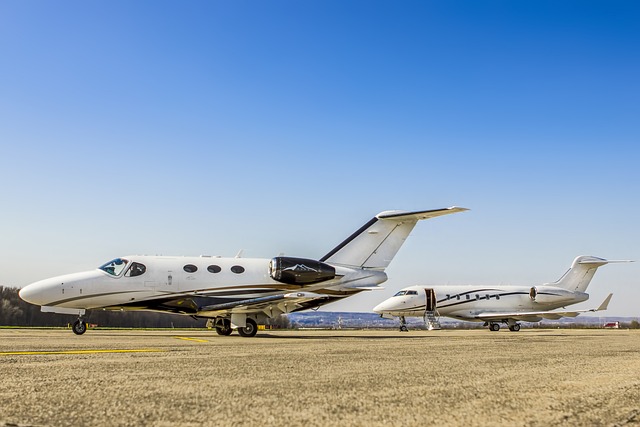
1. The Lifespan of a Private Jet: Uncovering the Secrets Behind its Durability
Private jets are not just a luxury symbol; they are built to endure the test of time. Their impressive lifespan is no secret in the aviation industry, unraveled by a multitude of factors that contribute to their durability. One key aspect lies in the materials used for construction. These state-of-the-art jets are often crafted with high-strength composites, such as carbon fiber-reinforced polymers (CFRP), which offer remarkable resistance to corrosion and stress, ensuring a longer lifespan for the aircraft.
Moreover, the rigorous maintenance schedules and inspections undertaken by private jet owners and operators lend themselves to the aircraft’s longevity. Regular servicing, both by manufacturers and specialized technicians, plays a pivotal role in detecting and preventing potential issues promptly. This crucial care involves meticulous checks of the engines, avionics systems, structural integrity, and more. Swift repairs and replacements of any worn-out components or parts contribute significantly to extending the lifespan of private jets, making them reliable for years to come.
Some key factors contributing to the durability of private jets include:
– High-strength composites: Private jets often employ advanced materials like carbon fiber-reinforced polymers (CFRP), which offer exceptional resistance to corrosion and stress.
– Rigorous maintenance: Regular servicing and inspections performed by manufacturers and specialized technicians ensure prompt detection and prevention of potential issues, enhancing the aircraft’s lifespan.
– Swift repairs and replacements: Immediate actions to address any worn-out components or parts are taken, significantly contributing to the long-term reliability of private jets.
With these secrets of durability unveiled, it becomes evident that private jets are not only a luxurious mode of transportation but also a sound investment that can withstand the tests of time.
2. Factors Influencing the Longevity of Private Jets: From Manufacturing to Maintenance
Private jets are luxurious symbols of wealth and status, but what factors actually determine their longevity? From the moment they are manufactured to their regular maintenance, several key elements come into play. Here are some of the crucial factors that influence the lifespan of private jets without compromising on their safety or performance.
1. Quality of Manufacturing: The longevity of a private jet greatly depends on the initial quality of its manufacturing. Skilled engineers and technicians ensure that each component is meticulously designed and constructed using top-notch materials. Precision manufacturing techniques and rigorous quality control measures are employed to guarantee the aircraft’s durability and reliability.
2. Regular Maintenance: Just like any other machine, private jets require regular maintenance to ensure longevity. This includes routine inspections, servicing, and adherence to manufacturer-recommended maintenance schedules. Qualified technicians meticulously examine all components, systems, and engines of the aircraft, making necessary repairs and replacements as needed. By diligently following maintenance protocols, private jet owners can maximize the lifespan of their aircraft and avoid unforeseen issues.
3. Environment and Usage: The longevity of private jets can be influenced by the environment in which they operate and their respective usage patterns. Extreme weather conditions, such as high humidity or corrosive environments, can accelerate wear and tear. Similarly, the frequency and duration of flights, as well as the type of operations (e.g., short-haul versus long-haul), can impact the aircraft’s lifespan. Proper understanding and management of these factors are vital to ensure that private jets stay operational for many years to come.
4. Technological Advancements: The aviation industry is constantly evolving, and advancements in technology play a significant role in determining the longevity of private jets. Innovations in materials, avionics, and engine technologies can improve fuel efficiency, reduce maintenance requirements, and enhance overall safety. Private jet owners who invest in the latest technologies and regularly upgrade their aircraft can enjoy extended longevity and stay ahead of the curve in terms of performance and efficiency.
By considering these factors from manufacturing to maintenance, private jet owners can make informed decisions to extend the lifespan of their prized possessions. High-quality manufacturing, regular maintenance, favorable usage patterns, and embracing technological advancements are all crucial to ensuring that private jets continue to soar for many years, providing a safe and luxurious travel experience.

3. Extending the Life of Your Private Jet: Key Maintenance Practices and Strategies
When it comes to ensuring the longevity of your private jet, implementing effective maintenance practices is crucial. By carefully following these key strategies, you can safeguard your investment and maximize the lifespan of your aircraft.
1. Regular Inspections: Consistently inspecting your private jet is essential for identifying potential issues before they escalate. This includes thorough examinations of the engine, avionics systems, and overall airframe. By performing routine inspections, you can catch any signs of wear and tear, corrosion, or structural damage, allowing for timely repairs and preventing major problems down the line.
2. Scheduled Maintenance: Adhering to a well-planned maintenance schedule is vital in keeping your private jet in optimal condition. This involves following the manufacturer’s recommended service intervals for tasks such as oil changes, engine overhauls, and system inspections. Regular maintenance ensures that all components are functioning correctly and can help identify any underlying problems early on.
3. Detailed Record-Keeping: Maintaining comprehensive records of all maintenance activities is crucial for tracking the history of your private jet. This includes documentation of inspections, repairs, part replacements, and any modifications made. Organized records provide valuable information for future maintenance, help with troubleshooting, and can enhance the resale value of your aircraft.
4. A Closer Look at Aircraft Age and its Impact on Performance and Safety
When it comes to aircraft age, its significance extends beyond a mere number. The age of an aircraft plays a pivotal role in determining its performance and safety. Let’s delve deeper into this crucial aspect and examine how aging aircraft can affect the aviation industry.
1. Performance: As an aircraft ages, various components and systems undergo wear and tear, which can gradually impact its overall performance. Here are a few key areas affected by aircraft age:
– Fuel Efficiency: Aging aircraft tend to consume more fuel due to engine inefficiencies and degraded systems, resulting in higher operational costs for airlines.
– Speed and Agility: Over time, aircraft may experience reduced speed and agility due to an accumulation of stress on the airframe and components.
– Reliability: With age, the likelihood of mechanical failures increases, leading to potential disruptions and delays in flight schedules.
2. Safety: Ensuring the safety of passengers and crew is of utmost importance in aviation, and aircraft age directly impacts safety measures. Here’s how aging aircraft can affect safety:
– Structural Integrity: As aircraft age, the structural integrity can be compromised. Frequent inspections, maintenance, and repairs are crucial to detecting and addressing issues before they escalate.
– Avionics and Systems: Outdated avionics and systems can pose safety risks, as they may not be equipped to handle modern requirements or maintain compatibility with evolving air traffic control technologies.
– Maintenance Challenges: Older aircraft often require more frequent and extensive maintenance, which can be logistically challenging and potentially cause delays if not managed efficiently.
Understanding the relationship between aircraft age, performance, and safety is crucial in the aviation industry’s pursuit of excellence and maintaining the highest standards. Regular monitoring, comprehensive maintenance programs, and technological advancements are vital to mitigating the effects of aging aircraft and upholding safety and efficiency in the skies.
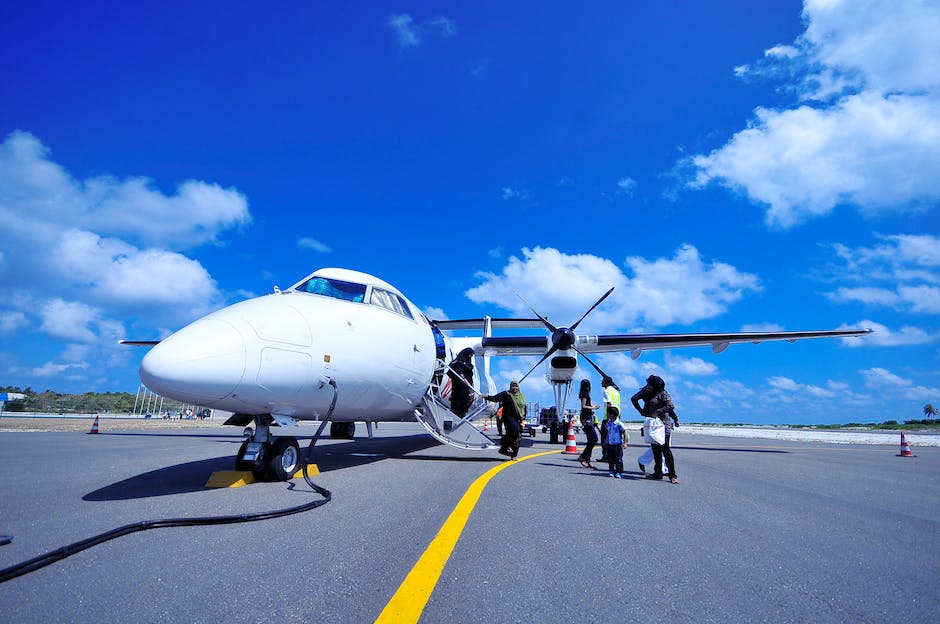
5. Tips for Evaluating the Resale Value of Private Jets
When it comes to making informed decisions about private jets, evaluating their resale value is crucial. Here are some practical tips to help you navigate this process and ensure you are making a wise investment:
- Research Market Trends: Stay up-to-date with the latest market trends for private jets, including popular models and the demand for certain features. This will help you gauge the resale potential of your aircraft.
- Consider Brand Reputation: Opt for well-established and reputable brands, as they tend to hold their value better in the market. This can be especially advantageous if you plan to sell your jet in the future.
- Assess Maintenance Records: Thoroughly review the maintenance records of any private jet you are considering purchasing. A well-documented service history indicates proper care and can positively influence its resale value.
Additionally, it’s essential to take into account the age of the aircraft, as newer models generally have a higher resale value. Furthermore, try to understand how the aircraft’s specifications and modifications influence its worth in the resale market. By focusing on these key factors, you can ensure that you are making an informed decision and maximizing the resale value of your private jet.

6. Sustainability in Aviation: Exploring the Potential for Long-lasting and Environmentally Friendly Private Jets
Private jets have long been associated with luxury and extravagance, but recent advancements in aviation technology are paving the way for a new era of sustainability in the industry. With growing concerns about the environmental impact of air travel, the need for long-lasting and environmentally friendly private jets has become a top priority.
One key area of focus is the development of alternative fuel sources for aviation. Many companies are working towards creating biofuels that are derived from renewable resources such as plant-based oils and algae. These biofuels have the potential to significantly reduce carbon emissions compared to traditional jet fuels, making private jet travel more environmentally friendly. Additionally, advancements in electric propulsion systems are also being explored, which could revolutionize the way private jets are powered. Energea, an innovative aviation company, is currently working on a prototype electric private jet that could offer emissions-free air travel in the near future.
Efficiency is another aspect of sustainability in aviation that is being carefully examined. Private jet manufacturers are investing in research and development to optimize aircraft design and reduce fuel consumption. By incorporating lightweight materials, aerodynamic shapes, and efficient engines, private jets can achieve greater fuel efficiency, resulting in reduced carbon emissions. Furthermore, the use of advanced technology, such as satellite navigation systems and real-time weather data, allows pilots to choose the most fuel-efficient routes, minimizing environmental impact. Implementing sustainable practices throughout the private aviation industry is crucial for preserving the environment and ensuring a greener future for air travel.
FAQs
Q: How Many Years Can a Private Jet Last?
Q: What is the average lifespan of a private jet?
A: On average, a private jet can last anywhere from 20 to 30 years, depending on various factors.
Q: What determines the lifespan of a private jet?
A: The lifespan of a private jet is determined by factors such as maintenance, usage, and technological advancements.
Q: Is there a limit to the number of hours a private jet can fly?
A: There is no set limit to the number of hours a private jet can fly, but it’s important to adhere to manufacturer-recommended maintenance schedules and inspections.
Q: Can a private jet be used indefinitely with proper maintenance?
A: While proper maintenance can extend a private jet’s lifespan, it cannot be used indefinitely, as wear and tear will eventually take their toll on the aircraft.
Q: How does usage affect the lifespan of a private jet?
A: The frequency and duration of flights directly impact the lifespan of a private jet. More usage can lead to faster wear and tear, requiring more maintenance.
Q: What role does technological advancement play in a private jet’s lifespan?
A: Technological advancements can make certain components of a private jet outdated or obsolete, affecting its overall lifespan. Regular upgrades and improvements can help extend its usability.
Q: Can a private jet’s lifespan be increased through maintenance?
A: Regular and meticulous maintenance can indeed increase a private jet’s lifespan, ensuring the aircraft remains in optimal condition and addressing any potential issues promptly.
Q: How often should a private jet undergo maintenance to prolong its lifespan?
A: Private jets require regular maintenance, including routine inspections and necessary repairs, as determined by the manufacturer’s guidelines and aviation regulations.
Q: What happens when a private jet reaches the end of its lifespan?
A: When a private jet reaches the end of its lifespan, it may be retired from service, sold on the second-hand market, or dismantled for parts and recycling.
Final Thoughts
In conclusion, the lifespan of a private jet is a crucial factor to consider for anyone interested in owning one. While there is no precise answer to how many years a private jet can last, it largely depends on various factors, including maintenance, usage, and technological advancements.
To ensure a private jet’s longevity, it is essential to follow rigorous maintenance schedules and adhere to industry guidelines. Regular inspections, repairs, and upgrades will enhance a jet’s lifespan, allowing it to serve its purpose for many years to come.
Furthermore, advancements in aviation technology continue to evolve, introducing newer and more efficient aircraft designs. Buyers must stay informed about these developments and consider upgrading their private jet when necessary.
Ultimately, the lifespan of a private jet can be maximized with proper care, attention, and a willingness to adapt to emerging trends in the aviation industry. So, if owning a private jet is on your radar, remember that its lifespan is not set in stone; rather, it can be prolonged with responsible ownership, ensuring a luxurious and efficient travel experience for years into the future.