Is It Smart to Invest in Jewelry
As the poet Elizabeth Barrett Browning once eloquently wrote, “Earth’s crammed with heaven, And every common bush afire with God; But only he who sees, takes off his shoes.” In a world where every nook and cranny is adorned with resplendence, one cannot help but wonder if investing in earthly treasures, such as jewelry, is a journey worth embarking upon. Is it a golden path leading to financial security and lasting beauty, or merely an ornamental facade? In this thought-provoking article, we delve into the depths of this glimmering realm, exploring the wisdom behind investing in jewelry and the secrets it holds for those with an eye for both art and opportunity. Brace yourselves, dear readers, as we tread cautiously on this sparkling tightrope between desire and practicality.
Table of Contents
- Why Investing in Jewelry Can Be a Lucrative Option for Smart Investors
- The Factors That Make Jewelry a Viable Investment in the Long Term
- A Closer Look at the Historical Performance and Value Retention of Jewelry
- Expert Insights: How to Evaluate the Quality and Authenticity of Jewelry
- Diversifying Your Investment Portfolio: Why Jewelry Makes an Excellent Addition
- Recommendations for Smart Investors: Key Considerations Before Investing in Jewelry
- FAQs
- To Conclude
Why Investing in Jewelry Can Be a Lucrative Option for Smart Investors
Investing in jewelry can prove to be a highly profitable venture for smart investors. Here’s why:
- Appreciation value: Unlike most traditional investments, jewelry has the potential to appreciate significantly over time. Precious gemstones and rare metals, such as diamonds and gold, tend to increase in value, making them an attractive investment option.
- Historical significance: Jewelry carries a rich history and holds cultural significance. Collecting antique pieces allows investors to own a piece of history while capitalizing on its potential appreciation.
- Tangible asset: Owning physical assets like jewelry provides a sense of security as they can be held and enjoyed. Unlike stocks or bonds, you can admire your jewelry collection while it potentially grows in value.
- Diversification: Investing in jewelry adds diversity to your investment portfolio, reducing the overall risk. In times of market instability, the value of jewelry often remains steady or even increases.
- Resilient market: The demand for high-quality jewelry remains constant, even during economic downturns. This resilience ensures that your investments in jewelry are less likely to be affected by market fluctuations.
So, if you are a smart investor looking for a lucrative option, consider adding the sparkle of jewelry to your investment strategy. It’s a tangible, historically significant asset that has the potential to appreciate in value, all while allowing you to indulge in the beauty and elegance of each piece.
The Factors That Make Jewelry a Viable Investment in the Long Term
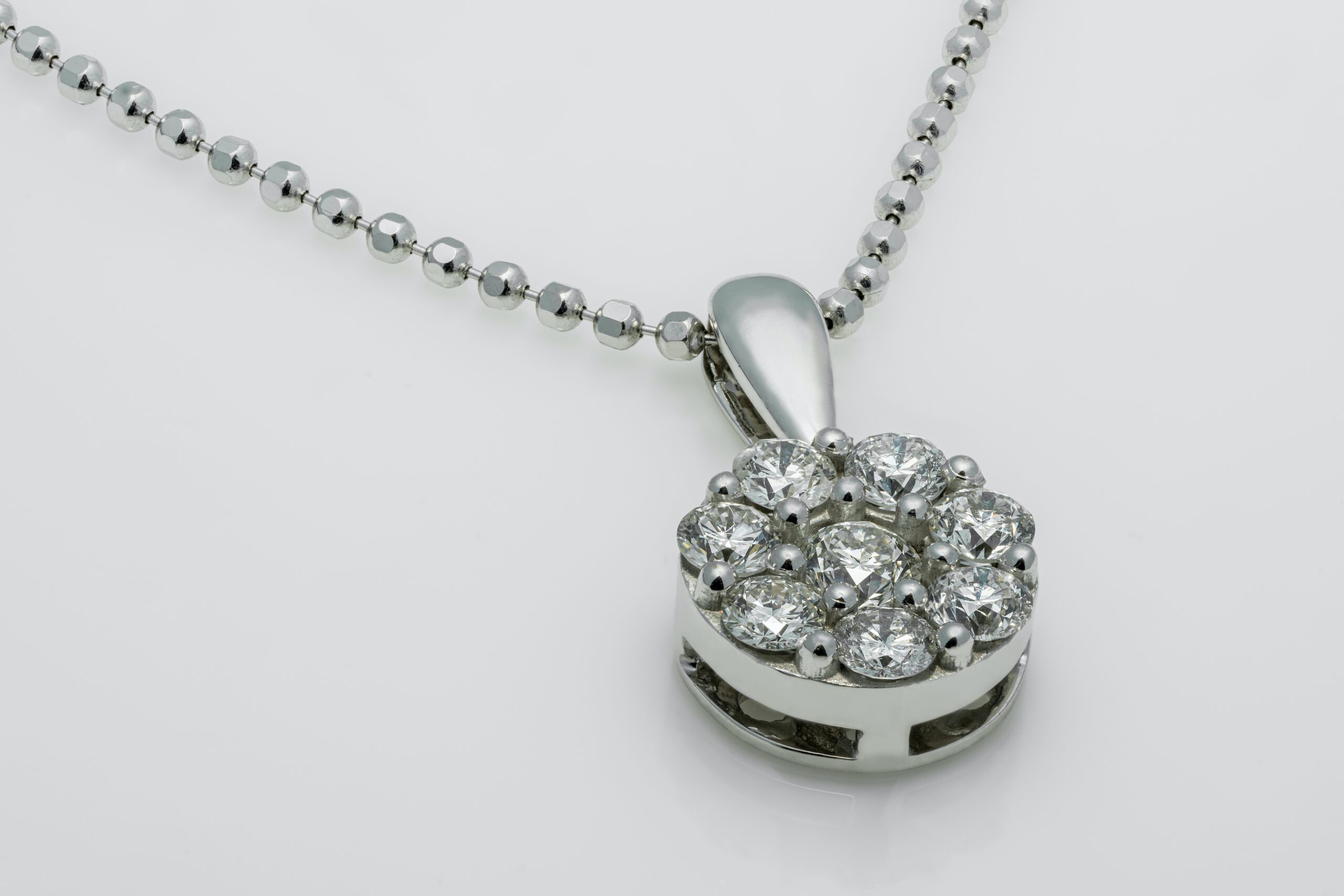
When considering long-term investments, jewelry stands out as a lucrative option due to a myriad of factors that contribute to its viability. First and foremost, the scarcity and uniqueness of high-quality gemstones and precious metals make them highly sought after, thus increasing their value over time. Additionally, jewelry acts as a tangible asset that can be physically admired, worn, and passed down through generations, imbuing it with sentimental value as well. Unlike traditional investments, jewelry is not subject to the volatility of the stock market, offering a stable option for diversifying one’s portfolio. Moreover, the allure of owning exquisitely crafted pieces from renowned jewelry brands presents opportunities for future potential appreciation. Whether it’s a dazzling diamond ring or a rare vintage piece, jewelry possesses an enduring appeal that makes it an attractive long-term investment for those seeking stability and beauty in their financial endeavors.
A Closer Look at the Historical Performance and Value Retention of Jewelry
When it comes to jewelry, its historical performance and value retention are a fascinating aspect to explore. Throughout centuries, jewelry has served as a symbol of power, wealth, and prestige, making it an investment that has stood the test of time. One of the key factors contributing to its value retention is the craftsmanship that goes into creating each piece – meticulously handcrafted using precious metals and gemstones, jewelry holds an inherent beauty that only time can enhance. Moreover, the historical significance attached to certain jewelry pieces, such as royal heirlooms or iconic designs, further adds to their allure and value. Jewelry’s enduring desirability is highlighted by its ability to transcend generations, often being passed down as treasured family heirlooms. This creates a sense of emotional connection that makes jewelry even more valuable, both monetarily and sentimentally.
Another aspect that contributes to the value retention of jewelry is the inherent rarity of many precious materials used in its creation. Gemstones like diamonds, rubies, and emeralds are formed deep within the earth over millions of years, making them scarce by nature. In addition, the limited supply of certain metals, such as gold and platinum, further adds to the value of jewelry. Their inherent scarcity assures their value remains steady over time. The durability and resistance to wear and tear are also key factors in the value retention of jewelry. Unlike many other investments, jewelry is built to last, and with proper care, it can remain in pristine condition for generations. This constant demand and the ability to withstand the test of time make jewelry a truly unique investment that combines aesthetic appeal, historical significance, and enduring value.
Expert Insights: How to Evaluate the Quality and Authenticity of Jewelry
When it comes to purchasing jewelry, it is essential to have the knowledge and skills to evaluate its quality and authenticity. Here are some expert insights to help you make informed decisions and ensure that you are investing in genuine and valuable pieces:
- Conduct thorough research: Before making a purchase, familiarize yourself with reputable jewelry brands and their signature craftsmanship. Look for certifications or hallmarks that validate the authenticity and quality of the jewelry.
- Examine the materials: Check the purity of precious metals, such as gold or silver, by looking for markings like 14k, 18k, or 925. For gemstones, inspect their clarity, color, and cut. The level of transparency and brilliance can indicate their authenticity.
- Assess the craftsmanship: Pay attention to the precision and strength of the jewelry’s construction. High-quality pieces demonstrate exceptional attention to detail, smooth finishes, and secure settings. Poor craftsmanship may lead to quick damage or breakage.
- Seek professional consultation: If you are uncertain about the authenticity or quality, consult a trusted jeweler or gemologist. These experts can utilize specialized tools and industry knowledge to evaluate the piece accurately.
Remember, evaluating the quality and authenticity of jewelry requires a keen eye and an understanding of the industry. Armed with these expert insights, you can confidently navigate the world of jewelry and make well-informed purchases that will stand the test of time.

Diversifying Your Investment Portfolio: Why Jewelry Makes an Excellent Addition
When it comes to diversifying your investment portfolio, it’s important to think outside the box and consider alternative assets that can yield high returns. Jewelry, with its timeless appeal and enduring value, makes an excellent addition to any investment portfolio. Here are a few reasons why:
- Tangible and Portable: Unlike some investments that may exist solely as digital assets, jewelry provides a tangible and portable form of wealth. You can hold it, admire its beauty, and easily transport it wherever you go.
- Inherent Value: Jewelry, particularly precious metals like gold or platinum, holds intrinsic value that has stood the test of time. Unlike other assets that may be subject to fluctuations in the stock market or economic conditions, the value of jewelry generally remains steady and tends to appreciate over time.
- Diversification: Including jewelry in your investment portfolio allows for effective diversification. By adding this alternative asset to your portfolio, you spread your risks across different types of investments, reducing vulnerability to market volatility.
- Antique and Collector’s Value: Certain pieces of jewelry, especially those with unique historical significance or exceptional craftsmanship, can appreciate significantly in value over the years. They not only serve as exquisite possessions but also provide potential future returns for collectors and enthusiasts alike.
So, whether you are a seasoned investor looking to diversify your holdings or someone new to the investment game, don’t overlook the potential of jewelry as an excellent addition to your portfolio. Its desirability, enduring value, and ability to provide long-term returns make it a compelling option for those seeking alternative investment opportunities.
Recommendations for Smart Investors: Key Considerations Before Investing in Jewelry
1. Research and Educate Yourself:
Investing in jewelry can be a lucrative venture, but it requires thorough research and knowledge. Take the time to learn about different types of precious gemstones, metals, and jewelry designs to understand their value and market trends. Stay updated with industry news, auction results, and expert opinions to make informed investment decisions.
2. Determine Your Investment Goals:
Before diving into the world of jewelry investment, clearly define your investment goals. Are you aiming for short-term profits or long-term wealth preservation? Decide if you want to focus on acquiring rare and unique pieces or building a diverse portfolio. Understanding your objectives will help you make strategic choices when selecting jewelry pieces for investment.
3. Evaluate Authenticity and Quality:
Ensure that any jewelry you consider investing in is authentic and of high quality. Look for reputable jewelers or auction houses that guarantee the authenticity of their pieces. Assess the quality of gemstones, diamonds, or precious metals, considering factors such as cut, clarity, color, carat weight, and craftsmanship. The more knowledgeable you are about quality standards, the better equipped you’ll be to assess the value of a piece.
4. Seek Professional Advice:
Consider consulting jewelry experts or financial advisors with experience in investment-grade jewelry. They can provide valuable insights into market trends, potential risks, and the overall viability of your investment choices. Expert opinions can help you navigate the complexities of the jewelry market and make well-informed investment decisions.
5. Diversify Your Portfolio:
Like any investment strategy, diversification is crucial. Avoid putting all your eggs in one basket by spreading your investments across different types of jewelry, styles, and price points. This diversification strategy can help mitigate risks and increase your chances of achieving favorable returns. Remember, a well-diversified portfolio is the key to long-term success.
6. Consider Storage and Insurance:
Investing in jewelry requires careful consideration of storage and insurance. Ensure that you have a secure and climate-controlled space to safeguard your investment. Additionally, explore insurance options to protect your valuable pieces from potential loss, theft, or damage. Investing in a high-quality safe or utilizing professional storage services may offer peace of mind knowing your investment is protected.
Consider these key considerations before delving into jewelry investments, as they can help you navigate the world of precious metals and gemstones with greater confidence and clarity. Remember, investing in jewelry is not only a financial decision but also a chance to appreciate the artistry and beauty of these exquisite pieces.
FAQs
Q: What does it mean to “invest in jewelry”?
A: Investing in jewelry refers to purchasing high-quality, valuable pieces with the intention of potentially profiting from their value appreciation over time.
Q: Why would I consider investing in jewelry?
A: Jewelry is often seen as a stable and secure investment option. It has a long-standing history of retaining value, and in some cases, even increasing in worth. Additionally, jewelry offers the added benefit of being a beautiful and wearable asset.
Q: How does jewelry retain its value?
A: Jewelry retains its value due to various factors, including the value of the materials used (such as precious metals and gemstones) and the craftsmanship involved in creating the piece. Additionally, certain types of jewelry can become highly sought after by collectors, which increases their market value.
Q: Is jewelry considered a safe investment?
A: While jewelry can hold its value, it’s important to note that its value can be influenced by market factors, trends, and fluctuations in the demand for certain styles or materials. Therefore, while it can be a stable investment, like any other investment, it poses some level of risk.
Q: Are there any risks associated with investing in jewelry?
A: Yes, investing in jewelry does come with its own set of risks. The market for jewelry can be subjective, and the value of certain pieces may fluctuate depending on factors like fashion trends, economic conditions, or shifts in consumer preferences. Careful consideration should be given to factors like quality, rarity, and market demand before making an investment.
Q: What type of jewelry is best for investment purposes?
A: Generally, pieces that feature high-quality gemstones or precious metals, such as diamonds, rubies, gold, or platinum, tend to hold their value well. Vintage or antique pieces may also be highly sought after by collectors and can appreciate significantly over time.
Q: How should I store and take care of my investment jewelry?
A: Protecting your investment jewelry is crucial to maintain its value. Consider storing it in a safe or secure location, away from extreme temperatures, humidity, and direct sunlight. Regularly clean and maintain your pieces, and have them professionally appraised and insured.
Q: Should I consult a professional before investing in jewelry?
A: It is recommended to consult with a reputable jeweler or appraiser who has expertise in investment jewelry. They can provide valuable guidance and help you make informed decisions about your potential investments.
Q: What are some alternative investment options to consider?
A: While jewelry can be a viable investment, it’s essential to diversify your portfolio. Other investment options to consider include stocks, real estate, precious metals, or cryptocurrencies. It’s wise to consult a financial advisor to analyze your specific circumstances and goals.
Q: Is investing in jewelry suitable for everyone?
A: Investing in jewelry requires careful consideration and may not be suitable for everyone. It’s important to have a long-term investment strategy, financial stability, and an understanding of the market dynamics. Individual preferences, risk tolerance, and financial situation should be taken into account before deciding to invest in jewelry.
In Summary
As we reach the end of our exploration into the glittering world of jewelry investments, it is only fair to conclude that there is no clear-cut answer to the question, “Is it smart to invest in jewelry?” Like many things in life, it all depends on various factors and personal circumstances.
Jewelry, with its timeless allure and innate value, has always held a special place in the hearts of individuals. Beyond its beauty, it has often been seen as a symbol of wealth, power, and prestige. However, when it comes to investment, caution should prevail.
While some pieces of jewelry have significantly appreciated in value over time, it would be remiss to believe that every sparkly object holds the same potential. Jewelry, unlike stocks or real estate, does not have a predictable market and lacks the liquidity needed in times of urgent financial need.
On the other hand, jewelry can be treasured heirlooms that carry sentimental value and tell captivating stories. These pieces may not yield substantial monetary returns, but their emotional worth can be immeasurable. In essence, investing in jewelry goes beyond the objective realm of finance; it becomes a personal affair, where passion for history, craftsmanship, and beauty intertwine.
Before diving into the realm of jewelry investments, it is crucial to conduct thorough research, evaluate market trends, and seek professional advice. Such measures will prevent whimsical acquisitions and ensure that your investment aligns with your overall financial strategy.
In conclusion, the decision to invest in jewelry ultimately rests in the hands of the discerning buyer. Whether you choose to seek monetary gains or invest in precious memories, jewelry can be a valuable asset in its own right. Whichever path you embark on, remember to cherish the beauty of these exquisite treasures, allowing them to weave their magic not only in your finances but also in the tapestry of your life.